
Hospitality Resumes
Cruise Ship Staff Resume Examples & Tips for 2026
Customize any of these resumes in minutes using our free AI-powered resume builder.
“Rezi is super upfront and continues to improve over time. I've recommended Rezi to several of my friends and colleagues. I just love this product so much.”

Ricky M.
Software Engineer

“Rezi is super upfront and continues to improve over time. I've recommended Rezi to several of my friends and colleagues. I just love this product so much.”
Ricky M.
Software Engineer
Helping users land jobs at 1,000+ companies such as














Here's the problem I keep seeing with cruise ship staff resumes: they read like a generic hospitality resume that could belong to anyone working at a hotel, restaurant, or theme park. There's nothing in them that says, "I can thrive in the unique, high-intensity, live-where-you-work environment of a cruise ship."
To create a compelling cruise ship staff resume, you need to tell a story that captures what makes shipboard work different: your ability to deliver exceptional guest experiences while living and working in a close-knit, multicultural crew environment — often for months at a time, with no days off, and a smile that never quits.
And this is exactly what you'll learn from this article. Inside, you'll find:
- Examples of 8 cruise ship staff resumes, covering different shipboard roles and specializations.
- Insider tips about what cruise line recruiters actually look for when reviewing applications.
- A step-by-step guide for putting together a cruise ship staff resume that gets you onboard.
Sample Cruise Ship Staff Resumes
Take a look at some top-notch sample resumes for cruise ship staff across different roles and departments. Find one that matches your profile and use it as a reference point (or feel free to steal it, just make sure to adjust the wording to reflect your own experience and career journey).
Cruise Ship Crew Member
A Cruise Ship Crew Member resume should highlight versatility and willingness to take on a wide range of shipboard duties. Emphasize your ability to work long hours in a confined environment, your teamwork skills, and any experience in hospitality, food service, or housekeeping. Show that you're adaptable, reliable, and comfortable living and working alongside a diverse international crew for extended contracts.
Cruise Ship Entertainment Staff
For a Cruise Ship Entertainment Staff resume, showcase your performance skills, event coordination experience, and ability to engage large audiences of all ages. Highlight specific talents such as singing, dancing, acting, or hosting. Demonstrate your energy, creativity, and experience planning or executing shows, themed nights, and onboard events. Any experience with sound, lighting, or stage management is a strong bonus.
Cruise Ship Guest Services
A Cruise Ship Guest Services resume should emphasize your front-desk experience, problem-solving skills, and ability to handle guest complaints with professionalism and composure. Highlight multilingual abilities, experience with reservation or property management systems, and your track record of resolving issues quickly. Show that you can remain calm under pressure and deliver outstanding service in a fast-paced, 24/7 environment.
Cruise Ship Hospitality Staff
For a Cruise Ship Hospitality Staff resume, focus on your food and beverage service experience, knowledge of fine dining protocols, and ability to maintain high service standards consistently. Highlight experience in restaurants, bars, or banquet settings, and any certifications in food safety or responsible beverage service. Demonstrate your ability to upsell, your attention to detail, and your comfort working long shifts on your feet.
Cruise Ship Activities Coordinator
A Cruise Ship Activities Coordinator resume should showcase your experience planning and leading group activities, from poolside games to shore excursion briefings. Highlight your public speaking ability, organizational skills, and creativity in designing fun programming for diverse guest demographics. Show enthusiasm, high energy, and any experience with fitness instruction, sports, trivia hosting, or kids' programming.
Cruise Ship Deck Staff
For a Cruise Ship Deck Staff resume, emphasize your outdoor recreation experience, safety awareness, and physical fitness. Highlight skills in managing pool areas, organizing deck activities, and enforcing safety protocols. Any lifeguard certifications, water sports experience, or knowledge of maritime safety procedures should be front and center. Show you can work in all weather conditions while maintaining a guest-friendly attitude.
Cruise Line Staff
A Cruise Line Staff resume should demonstrate your understanding of the broader cruise industry and your ability to represent the brand across multiple touchpoints. Highlight cross-departmental collaboration, knowledge of shipboard operations, and your experience delivering consistent service standards. Show adaptability to different vessel types and itineraries, and emphasize your commitment to the cruise line's guest experience philosophy.
Cruise Ship Customer Service
For a Cruise Ship Customer Service resume, focus on your communication skills, empathy, and experience resolving guest concerns across multiple channels — in person, by phone, and via onboard messaging systems. Highlight your ability to handle high volumes of inquiries, your knowledge of loyalty programs or upselling techniques, and any experience with CRM software. Demonstrate patience and cultural sensitivity.
How to Write a Cruise Ship Staff Resume
Short answer:
Focus on your guest service skills, adaptability to shipboard life, and any hospitality or entertainment experience that translates to a cruise environment. Create a professional header with your name and contact details. Right below, write a 2–3 sentence resume summary highlighting your most relevant experience and strengths. Describe your work history in reverse-chronological order, focusing on guest interactions and measurable outcomes. Then, cover your education, list certifications, highlight key skills, and add extra sections such as languages spoken, volunteer work, or special talents.
Include all the necessary sections in the correct order
Here's the correct order of sections for most cruise ship staff resumes:
- Header with contact information
- Resume summary or objective
- Work experience
- Education
- Skills
- Certifications
Depending on your situation, you can also add some additional sections. For instance:
- Languages spoken (this is a big deal in cruise hiring)
- Special talents or performance skills
- Volunteer experience
- Travel history or international work experience
- Professional associations
Include everything that shows you're capable of thriving on a ship. Make every section count. If it doesn't clearly highlight your fitness for shipboard work, it doesn't belong on your resume.
If you have less than five years of relevant experience, keep your resume 1-page long. For more seasoned cruise industry professionals, a two-page resume is fine.
More details here: What Sections to Include on Your Resume?
Now, I'll give you a high-level overview of how to write each section, going from top to bottom. Well… almost. The only exception is the resume summary section. While it comes right after your contact info, it's actually easier to write it last. More on that in a sec.
Create a professional resume header
- Start with your name and contact information. Include the basics: your full name, phone number, professional email address, nationality, and LinkedIn profile. For cruise ship roles, also include your citizenship/passport country and whether you hold a valid seaman's book or STCW certification — recruiters need this information upfront.
- Right below your name, clearly state your professional title or target role (e.g., Cruise Ship Guest Services Agent). This sets expectations and tells recruiters exactly which department you're targeting.
For more information, see: How to Create a Resume Header
Describe your work history
- Use reverse-chronological order. List your positions starting with the current or most recent one.
- In each entry, include your job title, company or ship name, location (or vessel name), and dates of employment.
- Below each position, write 3–7 bullet points — the more recent the position, the more detail you should include. Describe your responsibilities and, more importantly, your accomplishments.
- Use action verbs and quantify your achievements (e.g., "Served 200+ guests per dinner service across two restaurants while maintaining a 95% guest satisfaction rating").
- If you've worked on specific ship types or with particular cruise lines, mention them. Prior shipboard experience is gold — make sure it's front and center.
Learn more about the best practices of this section with our detailed guide on how to describe your work experience on a resume.
List your degrees and detail professional learning
- In the education section, list your highest degree first, including the degree type, major, and institution.
- If you have relevant work experience, include only the name of your school and the degree you got. If you're an entry-level candidate, you can add more detail — list relevant coursework in hospitality, tourism, culinary arts, or performing arts, along with extracurricular activities.
- If you have maritime or hospitality certifications (e.g., STCW, food safety, bartending), either include them in an "Education and Certifications" section, or create a separate "Certifications" section and place it right below.
For an in-depth guide on how to describe your education on a resume, see: How to List Education on a Resume
List your most relevant skills in the skills section
- Include a mix of technical skills (e.g., POS systems, reservation software) and hospitality-specific competencies (e.g., food and beverage service, entertainment hosting) that you're proficient in.
- Add in soft skills such as cultural sensitivity, communication, and adaptability. These demonstrate your ability to thrive in the unique shipboard environment.
- You can use two separate subsections, one for hard skills and one for soft skills, or list everything under one heading.
- Match your skills to the description of the job you're applying for. Don't just dump every skill a cruise line mentions — highlight areas where your knowledge genuinely overlaps with what they need.
Need some inspiration to get started? Here are some good skills to feature on your cruise ship staff resume.
Technical & hospitality skills for cruise ship staff resumes:
- Point-of-Sale (POS) Systems
- Property Management Systems (Fidelio, Opera)
- Food & Beverage Service
- Housekeeping & Cabin Management
- Event Planning & Coordination
- First Aid & CPR
- Bartending & Mixology
- Audio/Visual Equipment Operation
- Shore Excursion Coordination
- Cash Handling & Currency Exchange
Maritime & safety skills:
- STCW (Standards of Training, Certification and Watchkeeping)
- Lifeboat & Emergency Drill Procedures
- Crowd Management
- Fire Prevention & Firefighting
- Maritime Safety Regulations
- Personal Survival Techniques
- Environmental Compliance (MARPOL)
- Guest Muster Station Management
- Shipboard Sanitation (USPH/VSP Standards)
- Security Awareness
Key soft skills for cruise ship staff:
- Cultural Sensitivity
- Communication
- Adaptability
- Teamwork
- Patience
- High Energy & Enthusiasm
- Conflict Resolution
- Time Management
- Multitasking
- Emotional Resilience
For a full-blown guide on listing skills on a resume, visit: How to Put Skills on a Resume
Use additional sections as further proof of your fit
Additional sections add depth to your resume and back up your claimed expertise. Good examples of extra sections to add to a cruise ship staff resume are:
- Languages spoken. This is arguably the most valuable additional section for cruise ship roles. Cruise lines serve international guests and hire multinational crews. List every language you speak along with your proficiency level.
- Special talents & performance skills. Can you sing, dance, play an instrument, or do magic tricks? Many cruise lines value crew who can participate in shows or entertain guests beyond their primary role.
- Travel & international work experience. If you've lived or worked abroad, this demonstrates your comfort with diverse cultures and your ability to adapt — both critical for life at sea.
- Volunteer experience. Especially relevant if you've volunteered in hospitality, tourism, event planning, or community service settings that demonstrate your people skills.
Highlight the most relevant information in a resume summary
Once you're done writing your cruise ship staff resume, give it a full read. Pick the most relevant information and compile it into a summary paragraph. Place it right under the resume header.
- Be brief and to-the-point. In 3–4 sentences, sum up your career highlights, core competencies, and what you bring to the ship. Consider this your chance to answer, "Why should we bring you onboard?" Tailor this section to match the cruise line's needs outlined in the job posting.
- Use value-oriented language. Focus on how you can enhance the guest experience, mentioning specific outcomes you've delivered or guest satisfaction scores you've maintained.
Once you've completed the core sections of your resume, you can use Rezi AI Resume Summary Generator to automatically create a powerful summary, tailored to the job you're applying for. All you need to do is add the position and skills you want to highlight. The AI writer will do the rest.
More information here: How to Write a Job-Winning Resume Summary (with Examples)
For finishing touches, make sure your resume looks professional
- Use a clean and tidy resume format. Ensure your cruise ship staff resume is easily readable, with a professional font, consistent formatting, and clear section headings. Avoid overloading it with dense text or fancy design elements — many cruise line recruiters process hundreds of applications and need to scan yours quickly.
- Aim for a balance between detail and conciseness. If you're new to the industry, keep your resume to a single page. Experienced shipboard professionals can extend to two pages, but make sure every word conveys value.
Learn more about proper resume formatting here: How to Format a Resume & What Standard Resume Format to Use
What Makes Cruise Ship Staff Resumes Different
In short: the emphasis on lifestyle adaptability and guest-facing energy, not just job skills.
This is also what many cruise ship applicants get wrong on their resumes. Cruise line recruiters aren't just hiring someone who can pour drinks or host trivia — they're hiring someone who can do it seven days a week, for six months straight, while sharing a cabin with a stranger from another country and still genuinely loving it.
Show you can handle the shipboard lifestyle
Working on a cruise ship isn't a typical job. You live where you work. Your cabin is tiny. You might not see land for days. You work long hours with limited time off. Recruiters need to know you understand this and that you won't bail after two weeks.
What it means for you:
- If you have previous shipboard experience, make it the star of your resume. Mention the ship name, cruise line, contract length, and itinerary region. Nothing reassures a recruiter like proof you've already survived (and thrived on) a full contract.
- If you don't have cruise experience, highlight situations where you've lived away from home, worked in close quarters with others, or maintained high performance during intense work periods — think summer camps, resorts, or international work placements.
Demonstrate cultural competence
Cruise ships are among the most multicultural workplaces on Earth. You might serve American guests in the morning, British guests at lunch, and German guests at dinner — all while collaborating with crew from the Philippines, India, Eastern Europe, and Latin America.
What it means for you:
- List every language you speak, even at a basic conversational level. Multilingual candidates have a significant advantage in cruise hiring.
- Highlight any international work or travel experience. If you've worked in hospitality in multiple countries, make that trajectory crystal clear on your resume.
Emphasize guest satisfaction and service excellence
Cruise lines live and die by guest reviews and repeat bookings. Your resume needs to show that you don't just complete tasks — you create memorable experiences.
What it means for you:
- Quantify your guest service outcomes wherever possible. Mention guest satisfaction scores, positive reviews, upselling results, or any service awards you've received.
- Describe specific situations where you went above and beyond for a guest. Cruise recruiters love hearing about "wow moments" — the times you turned a complaint into a compliment or made a guest's vacation unforgettable.
Highlight safety awareness and compliance
Safety is non-negotiable at sea. Every crew member, regardless of department, must understand emergency procedures and comply with maritime regulations. This isn't something most land-based hospitality resumes cover.
What it means for you:
- Include your STCW certification prominently if you have one. If you don't have it yet, mention your willingness to obtain it — and if you're already enrolled in a course, note that too.
- Highlight any safety training, first aid certifications, or experience participating in emergency drills. Even mentioning that you served as a fire warden or first aider at a previous land-based job shows recruiters you take safety seriously.
Show energy, personality, and a service mindset
Cruise ships are entertainment venues as much as they are floating hotels. Even if you're in housekeeping or galley support, a positive attitude and willingness to engage with guests matter far more than in a typical hospitality role.
What it means for you:
- Don't be afraid to let your personality show through your resume. If you've hosted events, performed on stage, or led team-building activities, include it. These aren't "extras" in cruise hiring — they're core differentiators.
- Mention any special talents, hobbies, or interests that could translate to guest engagement. Many crew members get involved in crew shows, talent nights, or guest interaction beyond their primary role.
Bonus Resources for Cruise Ship Staff
This isn't going to be a game-changer if you need a resume right now. But —
I want you to treat your cruise career holistically. These resources will help you understand the industry better, prepare for life at sea, and make your future applications even stronger.
Professional associations and networks
CruiseLinesJobs.com
One of the most established cruise job boards and information hubs. It offers job listings, application tips, and detailed guides on what to expect from different shipboard positions across major cruise lines.
Cruise Lines International Association (CLIA)
The world's largest cruise industry trade association. CLIA offers training programs, industry reports, and certification courses that can boost your credibility and understanding of the global cruise market.
International Maritime Organization (IMO)
The United Nations agency responsible for the safety and security of shipping. Understanding IMO regulations — especially STCW standards — is essential for any aspiring cruise ship crew member.
Online learning platforms
Coursera & edX
Both platforms offer courses in hospitality management, tourism, food safety, and customer service — all directly applicable to cruise ship roles. Look for courses from Cornell, University of Queensland, or other hospitality-focused institutions.
LinkedIn Learning
With a focus on professional development, LinkedIn Learning provides courses on customer service excellence, conflict resolution, food and beverage management, and event planning — all skills that translate directly to shipboard work.
Highfield International
A leading provider of food safety, health and safety, and hospitality certifications recognized globally. Many cruise lines accept or prefer Highfield qualifications for galley and food service roles.
Publications and communities
Cruise Industry News
A leading publication covering cruise industry trends, new ship launches, and business developments. Staying current on industry news can help you prepare for interviews and understand which lines are hiring.
Seatrade Cruise
Offers news, event information, and in-depth analysis of the cruise sector. Their annual Seatrade Cruise Global conference is one of the industry's premier events.
Reddit r/Cruise & Crew Life Forums
Online communities where current and former crew members share experiences, tips, and advice about life at sea. These are invaluable for understanding what shipboard life is really like before you apply.
Certifications to pursue
STCW Certification
The Standards of Training, Certification and Watchkeeping for Seafarers is mandatory for all cruise ship crew. It covers personal survival techniques, fire prevention, first aid, and personal safety. Getting STCW-certified before applying dramatically improves your chances.
ServSafe Food Handler Certification
Widely recognized in the cruise industry for food and beverage roles. Having this certification shows you understand food safety protocols — a must for any position involving food preparation or service onboard.
Summary
Here's what you need to know about writing a cruise ship staff resume:
- Structure your cruise ship staff resume with essential sections in this order: Header, Resume Summary or Objective, Work Experience, Education, Skills, and Certifications. Add extra sections like Languages, Special Talents, or Volunteer Experience when relevant.
- Include a professional header with your name, contact information, nationality, and target role. Mention your STCW status or seaman's book if you have them.
- Describe your work history in reverse-chronological order, emphasizing guest service achievements and quantifiable outcomes like satisfaction scores or upselling results.
- In the education section, list your highest degree at the top. Include maritime and hospitality certifications either in the education section or under a separate heading.
- Highlight a mix of technical, safety, and soft skills, tailoring them to the specific cruise line job posting.
- Use additional sections — especially languages and international experience — to demonstrate your readiness for a multicultural shipboard environment.
- Once done writing the resume, compile the key information into a brief, value-oriented resume summary at the top.
- Show that you understand and embrace the unique demands of cruise ship life — long contracts, shared living spaces, and round-the-clock service.
- Make your resume professional in appearance, aim for conciseness, and let your personality and energy come through.
Thanks for reading! Got any questions? Feel free to reach out to me on LinkedIn. (Or check out the FAQs first, maybe your question is answered there.)
FAQ
I have no cruise ship experience. Can I still get hired?
Absolutely. Many cruise lines hire entry-level candidates, especially for positions in housekeeping, food service, and entertainment. Focus your resume on transferable hospitality experience — hotels, restaurants, resorts, event venues — and emphasize your adaptability, language skills, and willingness to commit to a full contract. Getting your STCW certification before applying also signals you're serious.
Should I include a photo on my cruise ship resume?
Yes — this is one of the rare cases where a professional photo is expected. Most cruise line applications require a recent, professional-quality headshot. Make sure you look approachable, well-groomed, and friendly. Think of it as your first impression with the hiring team.
How important are languages on a cruise ship resume?
Extremely important. Cruise ships serve guests from around the world, and multilingual crew members are in high demand. Even basic conversational skills in a second or third language can set you apart. Always list your languages with honest proficiency levels — don't claim fluency you can't back up in an interview.
What's the deal with STCW certification? Do I need it before applying?
STCW (Standards of Training, Certification and Watchkeeping) is mandatory for all cruise ship crew members before they can board. Some cruise lines will help you arrange it after hiring, but having it already on your resume gives you a significant advantage. It shows initiative and means you're ready to deploy faster.
Should I mention the specific ships or cruise lines I've worked on?
Definitely. Include the cruise line name, ship name, and even the itinerary region (e.g., Caribbean, Mediterranean, Alaska). Recruiters want to see which brands you've worked with and what kind of operations you're familiar with. Different cruise lines have very different service cultures, and this context matters.
How long should my cruise ship staff resume be?
If you're new to the industry or have less than five years of experience, stick to one page. If you've completed multiple contracts across different ships and roles, two pages are perfectly acceptable. Just make sure everything on the second page earns its place.
I'm transitioning from land-based hospitality to cruise ships. How should I position my resume?
Lean into your hospitality strengths — guest service, food and beverage, event coordination, front desk operations — and frame them in terms that translate to shipboard work. Highlight any experience working long shifts, living away from home, or working in fast-paced, high-volume environments. Mention your STCW certification (or plans to get one), and emphasize your excitement about the unique lifestyle of working at sea.

Upload or drop your resume to get started
Upload your resume to get started
Score my resume
Contents

Resume Formats & Examples
ATS-Friendly resume formats that land jobs
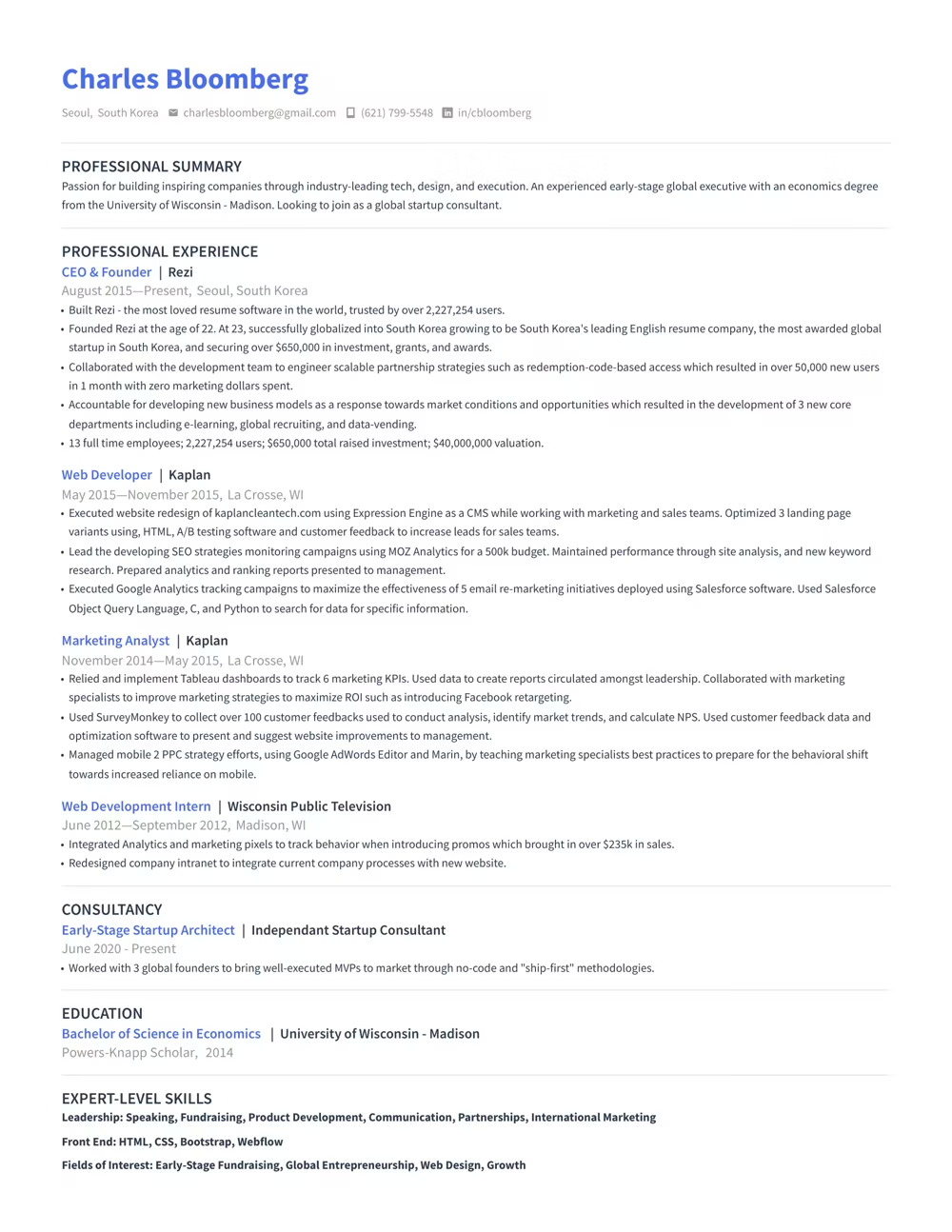
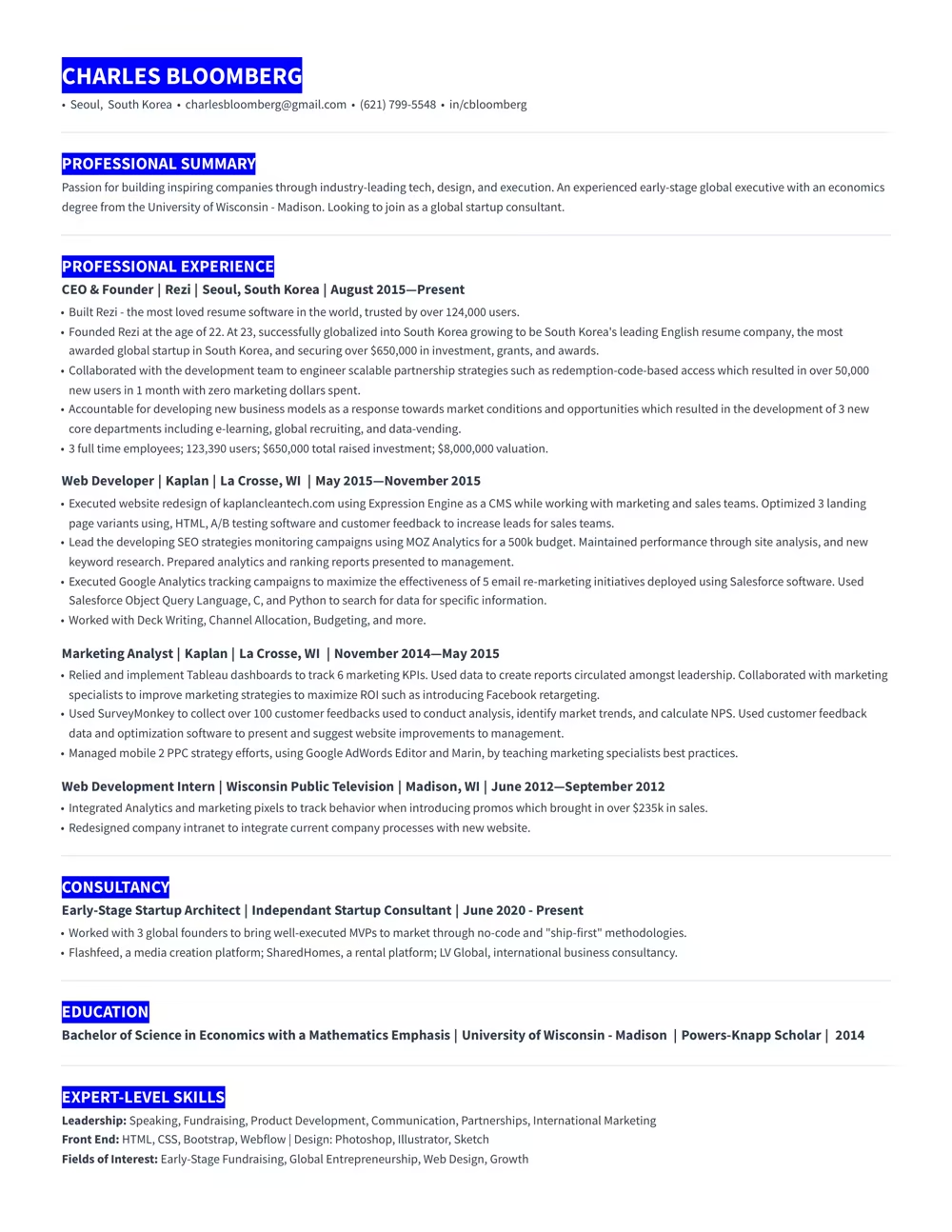
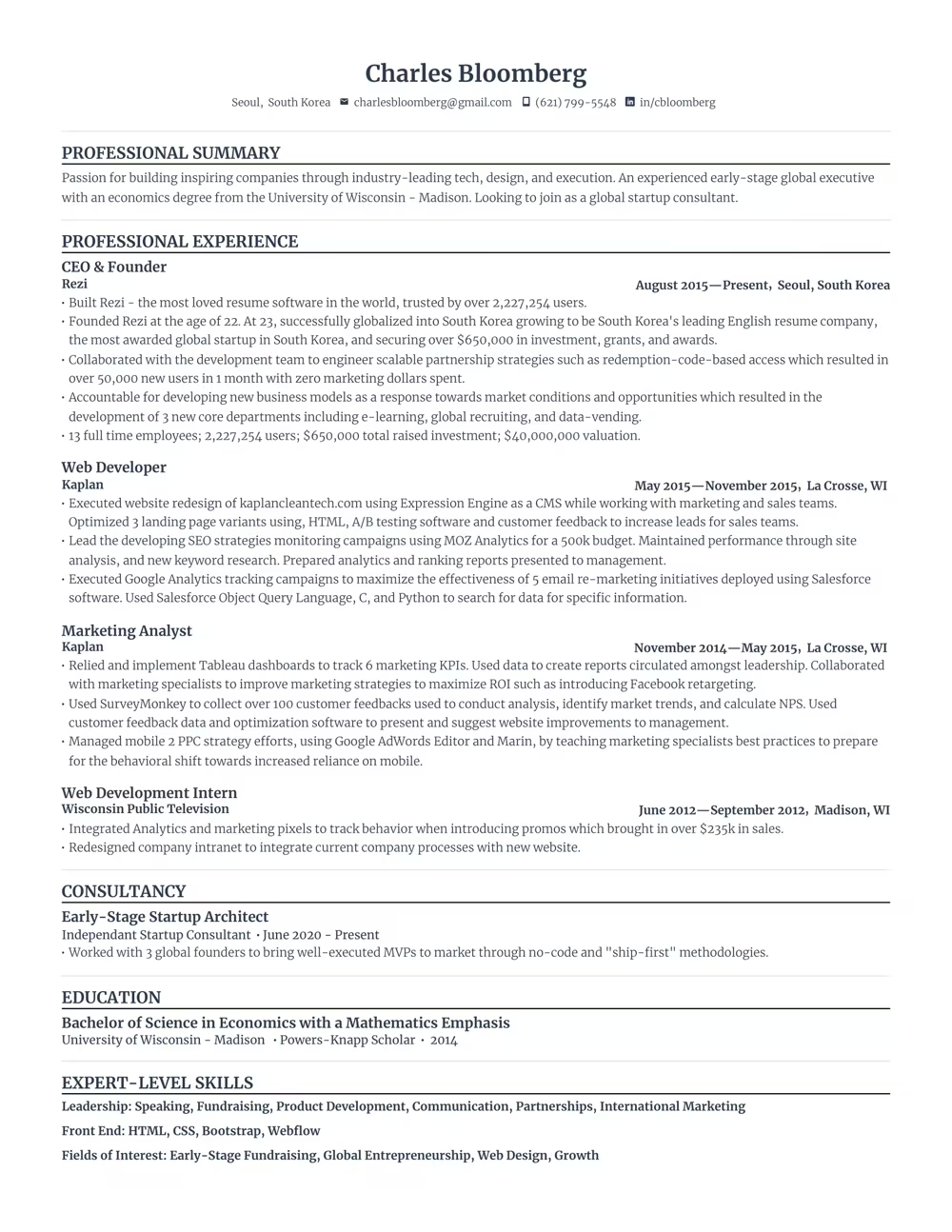
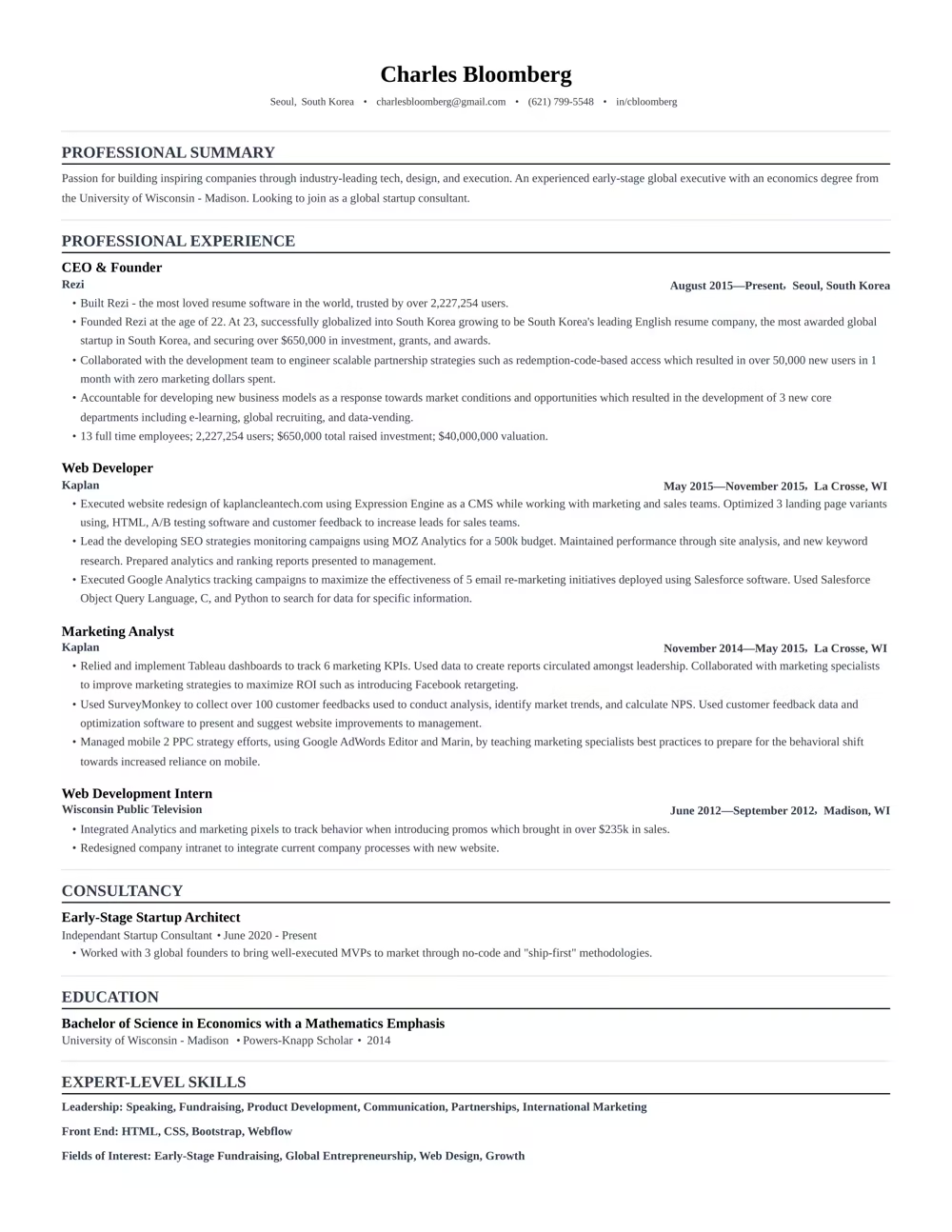
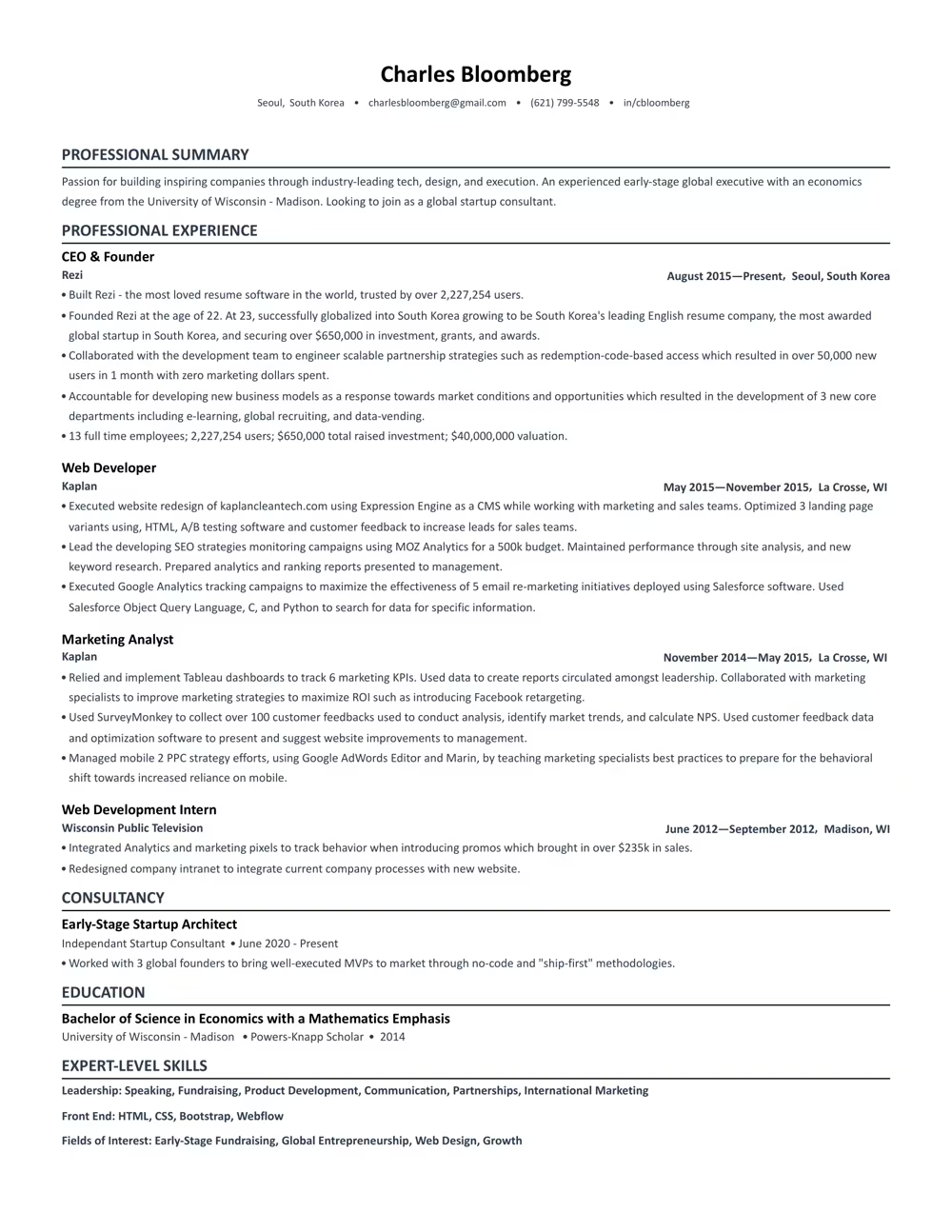
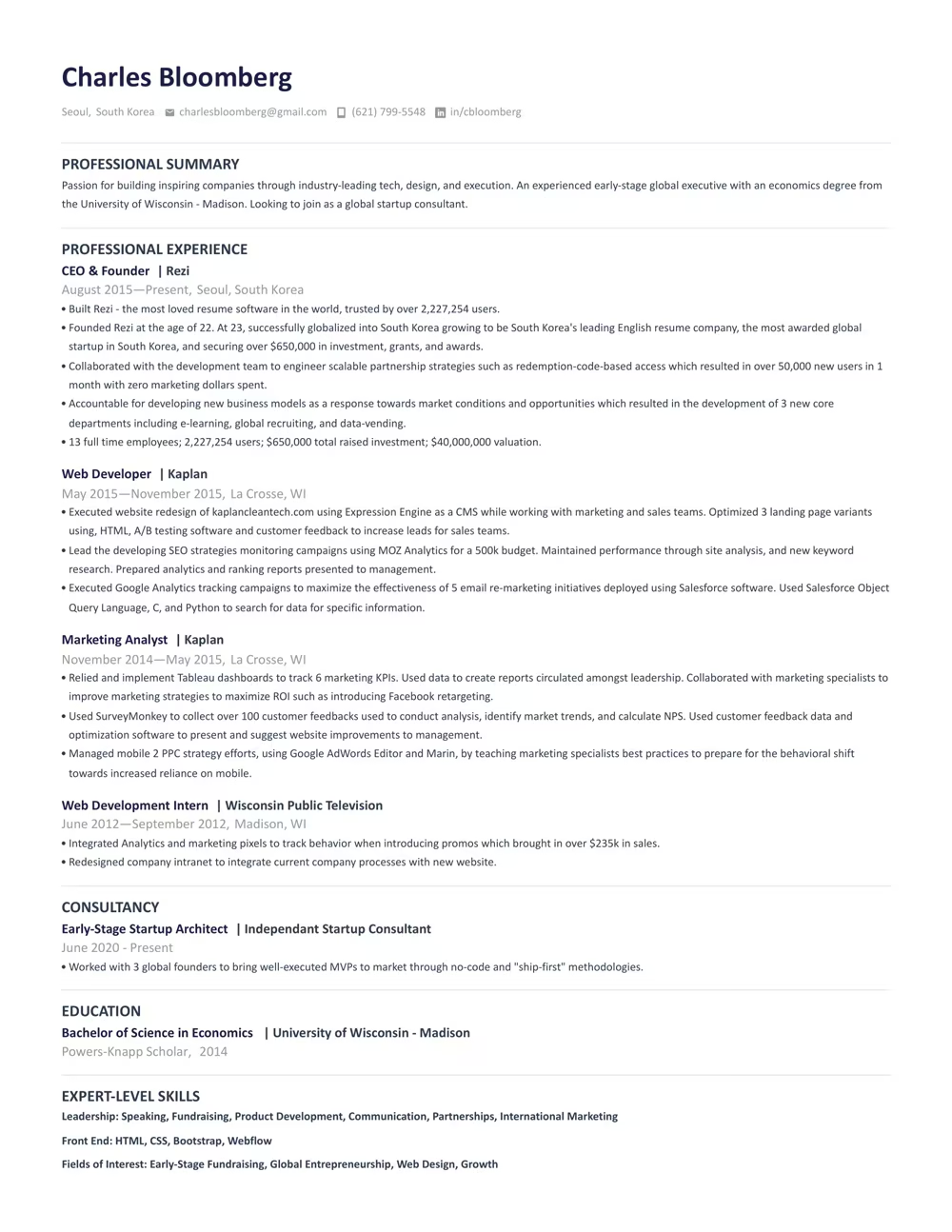
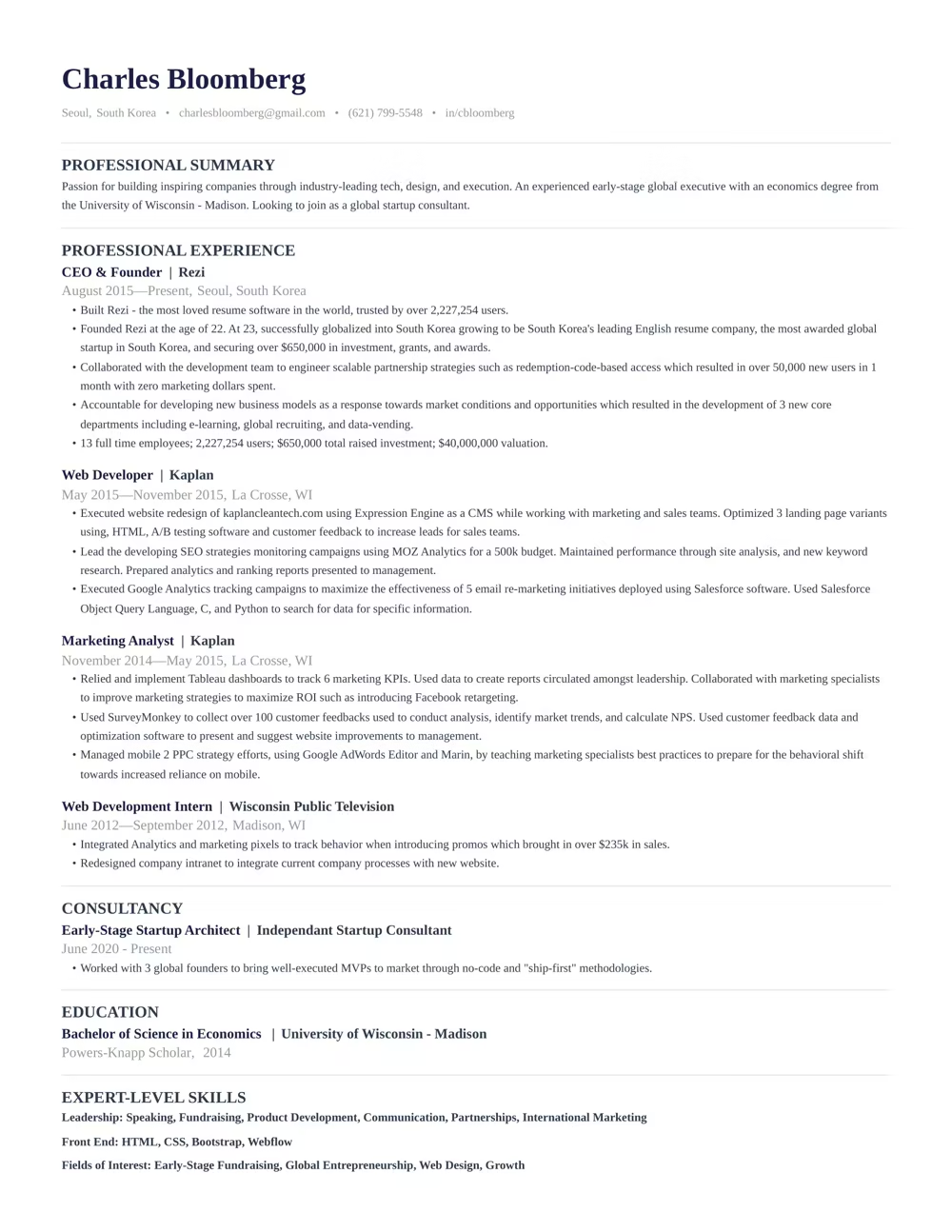
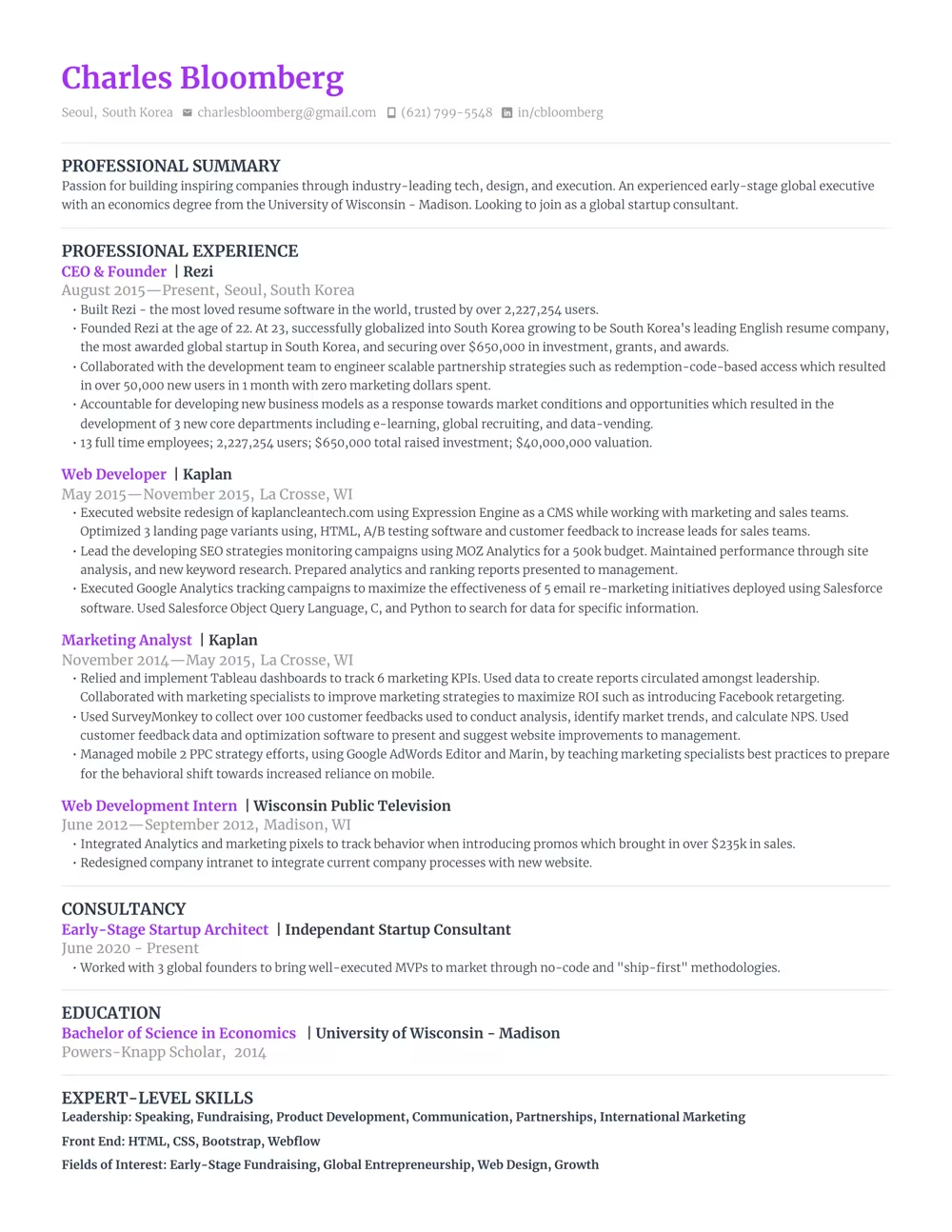
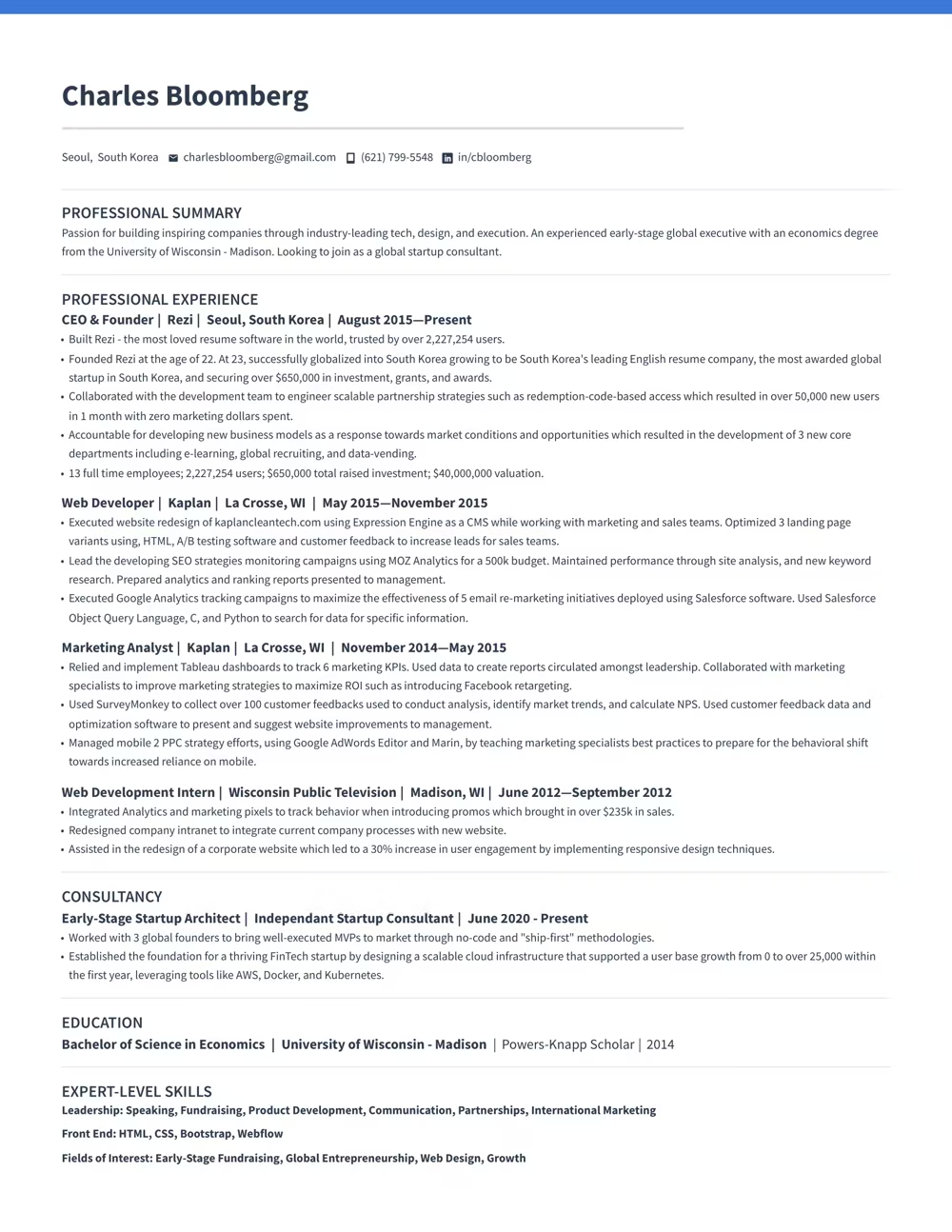
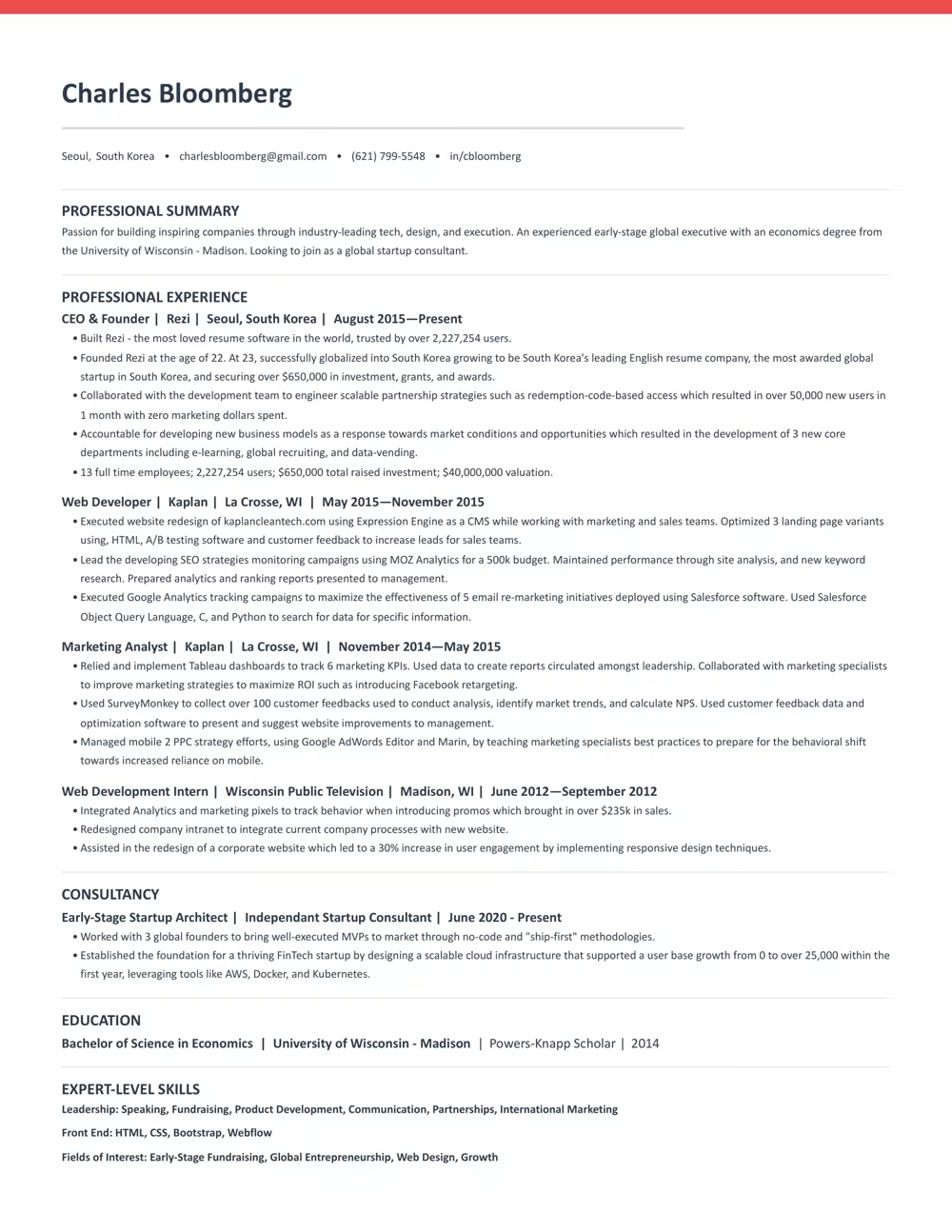
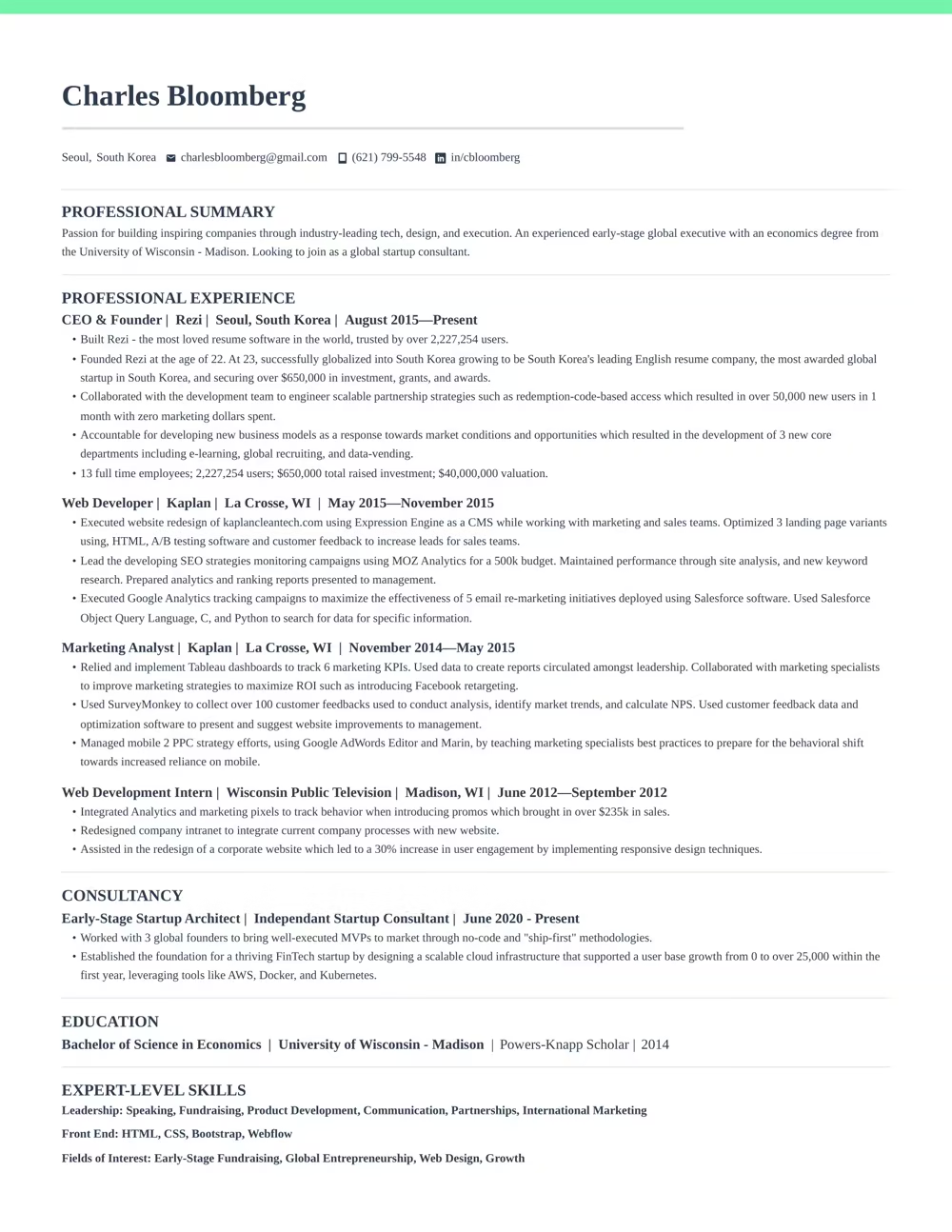
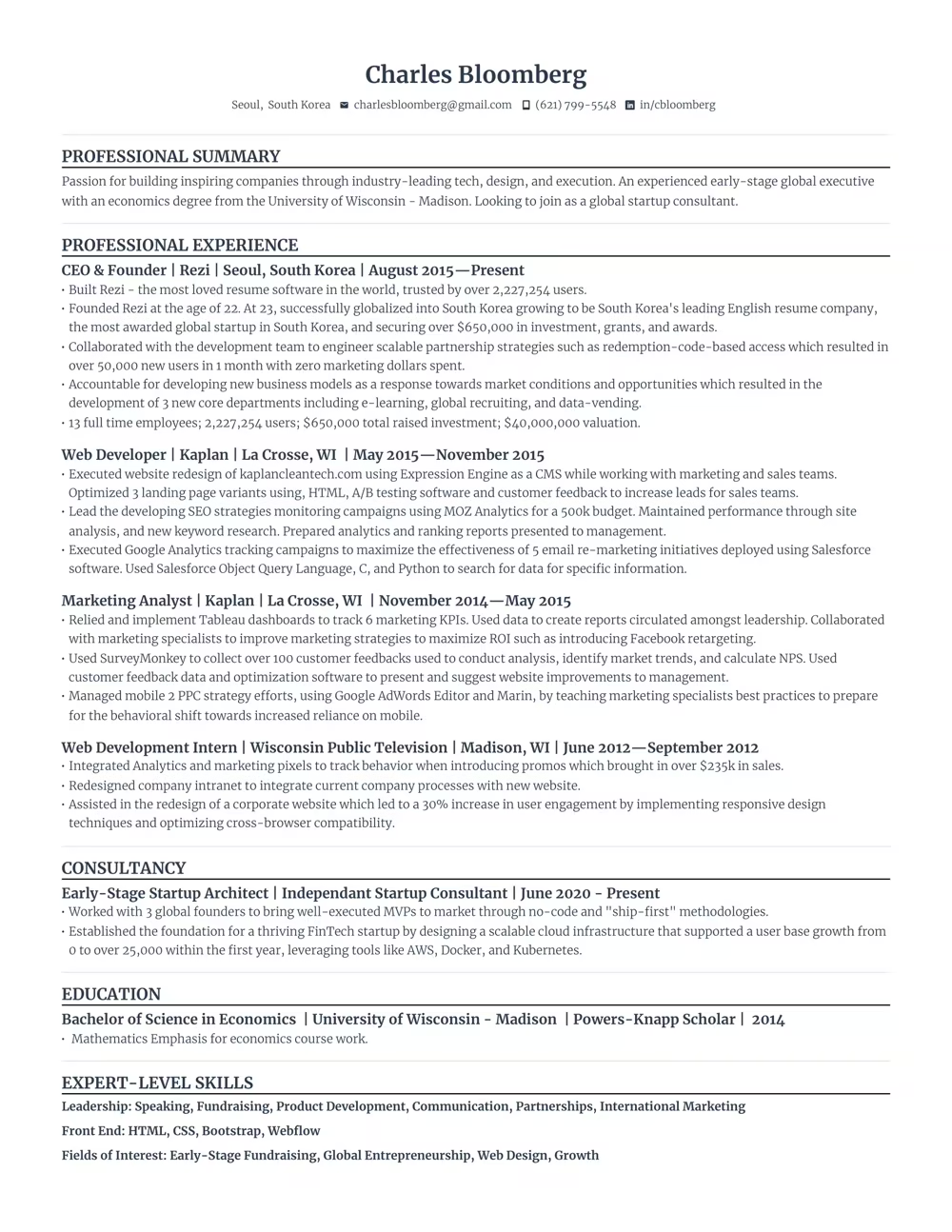
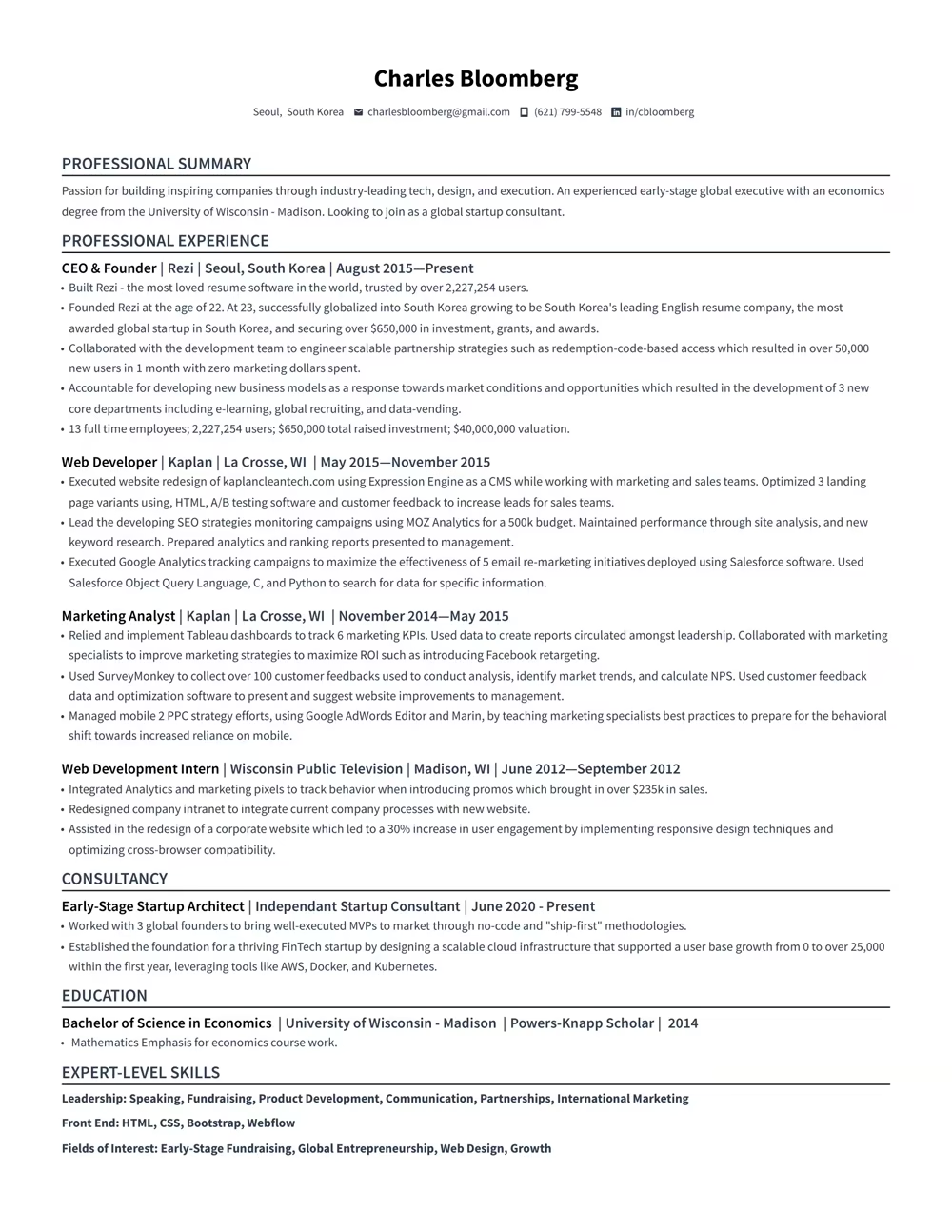
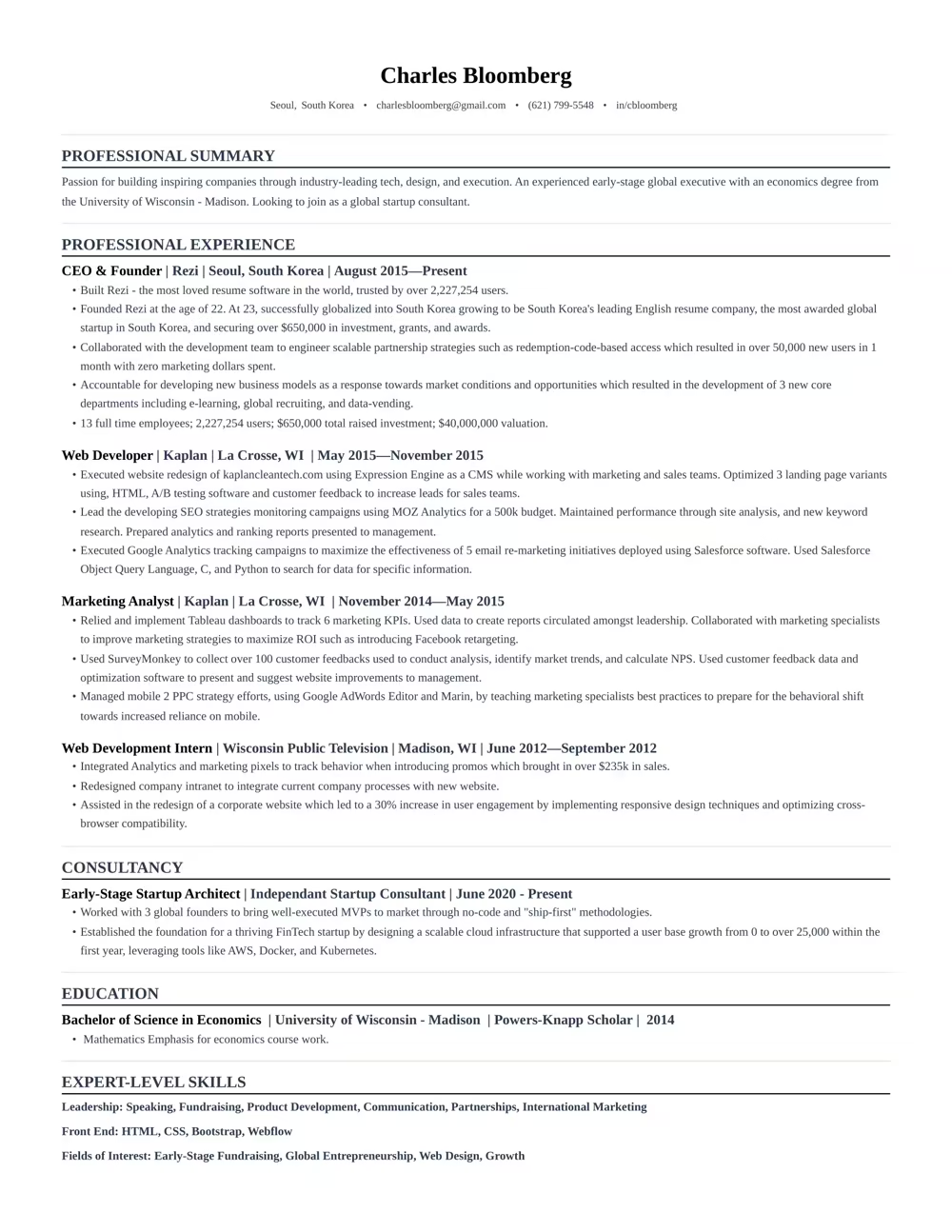
Use a template that guides you. Our ATS-compliant designs are trusted by over 4 million job seekers.




“Rezi is an awesome AI-based resume builder that includes templates to help you design a resume that is sure to check the boxes when it comes to applicant tracking systems. This is a great jumping off point to kickstart a new resume.”

Ashley Stahl
Career Contributor
62.18%
Interview Rate
4,773,704
Total Users
8.23 / 10
Avg. User Review
Wall of Love
Over 4 million users trust Rezi

Resume Building felt like pulling teeth – until I found Rezi.
Davis Allen
Software Developer

I was blown away by Rezi. It streamlined everything...
Celine Watko

I needed a resume tool as smart as my work.
Yosra Naceur
Data Scientist
“A great tool that is very helpful. I found the Rezi system easy to use and very helpful as I was working on getting my resume in shape for job applications.”

Dakota Rubin
United States
Written via

“This is actually one of the first reviews I’ve ever written for a business, and that alone says a lot. I highly recommend Rezi to anyone who’s job searching, it makes the entire process so much easier.”

Yazan Alkhatib
United States
Written via
“Reduced my time per application from 1-2 hours down to 15 minutes.”
Kixxx
Experience with Rezi
“I love how simple and convenient it is to use and been coming back to update it every time I need a fresh resume.”

Zara Wazir
U.A.E.
Written via
Frequently Asked Questions
Your questions, answered.
An AI resume maker helps you build a resume perfectly fit for the job you want. Top-notch AI resume builders are designed to speak the language hiring managers are looking for, increasing your chances of standing out in the crowd. It aligns your skills and experience with the job description effectively.
To get the most out of an AI resume builder, either start from scratch or upload your current resume. Fill in as much detail as possible about your career and skills, and upload the job description you’re targeting. This personalization allows the AI to build a unique and tailored resume that’s bound to catch potential employers' attention.
AI-generated resumes can seem similar if you're not giving personalized inputs or if you're using basic prompts. Provide specific details about your work experience and target the job you’re eyeing. Use specialized AI tools instead of general chatbots to avoid robotic-sounding resumes and to ensure individual creativity.
Employers might think you used AI, but that’s rarely an issue. What they really care about is getting a well-written resume that showcases your skills and experiences accurately. A top-notch resume tailored to their needs will speak volumes more than worrying about AI involvement.
Yes, using AI to optimize your current resume is highly effective. You just need to upload your resume, share details about your career goals and the job you want, and let the AI refine everything to elevate your resume's impact and ATS compatibility.
Rezi uses a tool called the AI Keyword Targeting. This feature scans the job description to identify crucial keywords and naturally incorporates them into your resume, giving it the right focus without keyword stuffing.
The Free plan is $0/month and allows you to create one resume, use limited AI tools (such as Keyword Targeting and Analysis), and download up to three PDFs. You can also create unlimited cover and resignation letters. No card is required to begin.
The Pro plan is $29/month and provides unlimited access to all features, including unlimited resumes, full AI capabilities, unlimited downloads, and one free monthly expert resume review (resumes are reviewed by a person).
The Lifetime plan is a $149 one-time payment. It grants permanent access to all the features of the Pro plan (unlimited resumes, full AI tools, and unlimited downloads), but it does not include the free monthly expert review (which can be purchased for an extra fee).
Rezi offers a 100% money-back guarantee on all paid plans (Pro and Lifetime). If you are unsatisfied, you can request a full refund within 30 days of your purchase.
Yes, you can easily upgrade or downgrade your plan at any time through your Rezi Account Billing dashboard. Prorated credits will apply when switching.
An AI resume maker helps you build a resume perfectly fit for the job you want. Top-notch AI resume builders are designed to speak the language hiring managers are looking for, increasing your chances of standing out in the crowd. It aligns your skills and experience with the job description effectively.
Yes, Rezi Enterprise.