
Hospitality Resumes
20+ Bartender Resume Examples
Customize any of these resumes in minutes using our free AI-powered resume builder.
“Rezi is super upfront and continues to improve over time. I've recommended Rezi to several of my friends and colleagues. I just love this product so much.”

Ricky M.
Software Engineer

“Rezi is super upfront and continues to improve over time. I've recommended Rezi to several of my friends and colleagues. I just love this product so much.”
Ricky M.
Software Engineer
Helping users land jobs at 1,000+ companies such as














Ever stepped into a cozy neighborhood bar to see the bartender chatting away with the locals? Now, picture that swanky hotel bar where you were politely welcomed with a formal hello. Bartending isn’t just about pouring drinks — it’s about creating an atmosphere and moments that stick with customers. That’s what employers really care about.
Your resume shouldn’t be a boring list of duties that any bartender could claim. What does that say about you or your work style? It’s all about showing how your unique skills, experiences, and personality can fit into different environments to connect with diverse customers.
This guide will show you:
- Bartender resume examples across different bar types and experience levels.
- How to describe bartending on a resume and what to include.
- The best ways to combine professionalism and personality in your resume.
Bartender Resume Examples
So you have the basics down, mixing drinks and handling POS systems — but that’s hardly going to fill up the whole resume. You’ve got plenty of soft skills like communication and time management, but let’s be honest, these generic phrases alone don’t say much.
The key is weaving those soft skills into your real experiences. Are you a people person? Share how many customers you served every shift. Have you mastered the power of patience? Mention the techniques you used to solve conflicts.
Take a look at these bartending resume examples from different roles and seniority levels to give you an idea of what skills and experiences to include.
Professional Bartender Resume
For a bartender resume, highlight your customer service skills and ability to create memorable experiences. Mention your expertise in mixology, including making a wide variety of cocktails. Don’t forget to add courses or relevant certifications, like TIPS or ServSafe. Employers value bartenders who can build customer relationships, handle cash accurately, and maintain a clean, organized bar area.
Server Bartender Resume
Your server bartender resume should focus on your ability to handle both drink and food orders efficiently. Highlight your bartending skills, including mixing cocktails and serving non-alcoholic beverages, along with your experience in fine dining. Emphasize your customer service skills, like building rapport, handling complaints, and creating a welcoming atmosphere. Don’t forget your proficiency with POS systems and ensuring a smooth experience for guests.
Mixologist Bartender Resume
For a mixologist bartender resume, emphasize your expertise in creating diverse, well-balanced, and visually appealing cocktails. Highlight your knowledge of spirits, cocktail recipes, and mixology techniques like muddling, shaking, and layering. Include your experience with customer service and understanding flavor combinations. Show how you blend creativity and precision to craft memorable drinks while keeping the bar running smoothly.
Supervisor Bartender Resume
With a supervisor bartender resume, outline your experience managing bar operations, including inventory control and budgeting. Include your mixology expertise and ability to train staff on drink preparation and service standards. Show your leadership skills, such as delegating tasks, scheduling shifts, and curating the bar’s menu with premium ingredients. Don’t forget to mention how many years you’ve worked in bartending and management.
Nightclub Bartender Resume
Your nightclub bartender resume should highlight your ability to thrive in fast-paced environments while managing multiple drink orders. Detail your skills in balancing speed with quality service and adjusting to customer preferences. Mention your experience creating a lively atmosphere and managing rowdy patrons while maintaining control. Show your ability to keep the energy and customer satisfaction high under pressure.
Event Bartender Resume
For an event bartender resume, detail your expertise in creating a welcoming atmosphere while handling diverse events, from corporate gatherings to weddings. Emphasize your ability to mix drinks, adapt to guest preferences, and ensure top-notch service. Mention your friendly demeanor, flexibility, and how you contribute to making each event special by balancing professionalism with a personal touch.
Brewery Bartender Resume
With a brewery bartender resume, emphasize your knowledge and passion for beer and brewing. Include skills like taking orders, pouring pints, changing kegs, and processing payments. Show your ability to explain different beers and help with merchandise selection. Unlike traditional bartending roles, focus less on cocktails and more on your ability to engage patrons with beer expertise.
Craft Cocktail Bartender Resume
For a craft cocktail bartender resume, highlight your deep knowledge of classic and contemporary cocktails, and your creativity in crafting unique drinks. Show your mixology skills and ability to adapt to customer preferences. Mention your experience managing inventory and developing custom recipes to enhance the bar’s offerings. Emphasize your ability to recall cocktail recipes from memory, a key skill for a seamless service.
High Volume Bartender Resume
For a high-volume bartender resume, show your ability to thrive in fast-paced environments while delivering consistent, high-quality drinks. Highlight your multitasking skills and ability to prioritize under pressure. Emphasize your experience setting up an efficient workspace and remaining calm during busy shifts. Show that you can adjust quickly to sudden rushes or changes, ensuring customer satisfaction even when service is at its busiest.
Fine Dining Bartender Resume
For a fine dining bartender resume, emphasize your ability to provide a refined customer experience while adhering to fine dining etiquette. Mention your skill in upselling, adapting to customer preferences, and accommodating special requests to create personalized experiences. Including the dollar value of your wine and beverage sales will further demonstrate your impact.
Flair Bartender Resume
For a flair bartender resume, detail your expertise in entertaining guests with flair bartending techniques like flipping, spinning, and balancing bottles. Highlight your showmanship, creativity, and technical skill in performing moves while crafting cocktails. Emphasize your ability to engage customers with unique drink presentations and tricks. Mention your charisma and how you use it to create fun experiences.
Hotel Bartender Resume
For a hotel bartender resume, focus on your strong communication skills and ability to engage customers with friendly conversation. Highlight your experience in creating a welcoming atmosphere and meeting guest expectations, whether at a high-end, business, or budget hotel. Mention your ability to provide excellent service, including offering local tips and acting as a casual tour guide.
Whether you’re an expert cocktail maker or totally new to the scene — you can customize your resume to sell any experience level.
Entry Level Bartender Resume
For an entry-level bartender resume, highlight your enthusiasm for learning and any relevant education or certifications. Focus on transferable skills like communication, multitasking, and teamwork. Mention any barback experience to show familiarity with bar operations. Emphasize your willingness to seek mentorship, learn from industry events, and grow in the role. Give examples of your customer service and interpersonal skills.
Experienced Bartender Resume
For an experienced bartender resume, outline your expertise in recommending and upselling drinks based on customer preferences. Show your ability to handle busy shifts and help new staff. Emphasize your knowledge of beverages, mixology techniques, and efficiency in fast-paced environments. Include any unique skills or notable experiences to stand out.
Senior Bartender Resume
For a senior bartender resume, emphasize your leadership in managing the bartending team, developing innovative drink menus, and maintaining high service quality. Highlight any awards or recognition, and detail your experience in mentoring staff. Include your skills in inventory management, supplier relations, and event planning. Mention the number of bartenders you’ve trained or managed to demonstrate your mentoring capabilities.
How to Write a Bartender Resume
Short answer:
Your bartender resume should start with a strong summary or objective highlighting your customer service skills and passion for the job. List relevant experiences, focusing on bartending roles or transferable skills like teamwork, cash handling, and high-volume service. Use action verbs to describe your responsibilities and quantify your achievements when possible. Add your education and any bartending training courses. Include a mix of technical skills (mixology, POS systems) and soft skills (communication, problem-solving) throughout your resume. Don’t forget to mention any relevant certifications like responsible serving or food handling. Keep it concise, organized, and tailored to the job you’re applying for.
Choose the right bartending resume format
Think of your resume format as a traditional martini — clean and classic. You don’t need quirky fonts or images to distract from your experiences and skills. Fancy graphics or complex layouts can actually make it harder for hiring managers to find the necessary details.
The reverse chronological format is your safest bet. This order lists your most recent job experiences and achievements first, making it easy for hiring managers and Applicant Tracking Systems (ATS) to spot your latest and greatest work. It’s familiar and straightforward, which is exactly what you want.
Here’s what your bartender resume structure could look like:
- Name and contact details
- Summary or objective
- Work experience
- Education and training
- Licenses and certifications
- Skills and bartender proficiencies
If you’ve been in the game for a long time and have an extensive mix of bartending experience and specific skills, consider a combination resume. This blends the functional and reverse-chronological formats, letting you show your skills at the top while still detailing your work history.
Just like customers notice a messy bar before a good cocktail, hiring managers will notice poor formatting before your skills. Keeping everything polished will help your content shine.
Here are a few must-have formatting tips:
- Font: Stick to a simple, professional font like Arial or Calibri. Avoid anything too fancy that might be hard to read.
- Headings: Make your section headings clear and bold to help the hiring manager quickly find key information.
- Font size: Use 10–12 pt for the main body and 14–16 pt for headings. This keeps everything readable while making the important sections stand out.
- Margins: Use standard margins (1 inch on all sides) so your resume doesn’t look cramped or too empty.
- Bullet points: Use concise bullet points throughout your sections to list responsibilities and achievements. They keep things scannable and to the point.
- One page: Keep it to one page. Hiring managers often skim, so make every word count.
Learn more about how to organize your information: How to Format a Resume & What Standard Resume Format to Use
Start with your name and contact details
The last thing you want when sending a resume is to be forgettable or hard to reach. Add your name at the top in big, bold letters. Make it easy for anyone reading to know exactly who you are right away.
If you prefer to include your personal pronouns, add them below your name. It’s a small touch, but it can help make your resume more personal and inclusive.
Your contact details go underneath your name. Here’s how to list them:
- Phone number: Include a reliable number where employers can reach you — make sure your voicemail is professional.
- Email address: Use a professional email address with your full name. Avoid anything too quirky or outdated — partygal101@hotmail.com won’t impress anyone, even at a bar.
- Mailing address: No need to list your full address — your city and state will do.
- Social media profiles: Add any relevant, professional profiles (LinkedIn, Instagram) that showcase your skills or bartending experience. Only include them if they’re work-appropriate.
Here’s what your contact details could look like on a bartender’s resume:
Moe Szyslak
Springfield, OR
(555) 123-4567
moe.szyslak@gmail.com
linkedin.com/in/moeszyslak
instagram.com/moe_mixes
Find out more: What Sections to Include on Your Resume?
Outline your work experience and training
Working in bars and restaurants isn’t like working in the corporate world. In offices, you have desks, water cooler chats, and a steady routine. But bars? They’re as unique as the customers who walk through the door. The type of bar you’ve worked in says a lot about your experience, skills, and style.
Have you built relationships with the locals at the neighborhood dive bar? Do you know how to keep the energy up from working at a nightclub? Or have you learned the ins and outs of the fine dining industry?
When outlining your work experience, don’t just list your job title and duties. Give a sense of the places you’ve worked to show the environment you’re used to. This helps employers picture where you’ve been and how you’ll fit into their setup.
Use bullet points to highlight the skills you’ve gained and how you applied them. Did you handle a packed bar on game nights? Boost drink sales with upselling techniques? These points show you can handle pressure and interact well with customers.
Focus on impact. Customers don’t just want to watch you mix drinks; employers don’t just want to hear about what you did — they want results. Include specific achievements, like increasing sales or hitting targets, and add any numbers to measure your success.
No bartending experience? Focus on transferable skills. Have you worked in customer service or been part of a fast-paced team? That counts. Plus, highlighting your enthusiasm to learn and grow can take you a long way.
Use strong action verbs like “managed,” “created,” “trained,” or “improved” to really sell what you’ve done. Don’t just list tasks — show how you contributed to the bar’s success.
Here’s an example of a bartending work experience section:
Bartender | Cheers
Boston, MA | January 2022–Present
• Worked in the local dive bar, serving up to 100 customers during peak hours.
• Created and introduced weekly drink specials, boosting sales by 15%.
• Built strong relationships with regulars, leading to an increase in repeat business.
• Trained and mentored two junior bartenders, improving overall team performance.
Customer Service Representative | Green Groceries
Boston, MA | October 2020–January 2022
• Handled customer inquiries and complaints with a focus on providing excellent service.
• Developed strong problem-solving skills by addressing customer concerns and resolving issues quickly.
• Worked in a fast-paced environment, handling multiple tasks, including cashier duties and assisting customers on the floor.
• Recognized as “Employee of the Month” twice for consistently delivering exceptional customer service.
Learn more about making your strengths shine: How to Describe Your Work Experience on a Resume.
Add your education and bartending courses
You don’t need a degree for many bartending positions, but it can definitely give you a leg up — especially if you’re aiming for higher-level roles or positions in hospitality-heavy venues.
Start with your highest level of education. Just list the school’s name and the dates you attended. You don’t need to go into detail about high school — it’s enough to mention where you graduated and your GPA (if it’s higher than 3.0).
Your education section can also include any relevant certifications or courses related to bartending. Whether it’s a bartending school diploma, wine-tasting classes, or barista training, these extras show you’re serious about your craft and taking steps to boost your skills and knowledge.
If you’ve taken additional hospitality or bar-related courses, list those too. Even if you’re new to bartending, showing that you’ve invested time in learning can boost your resume.
Here’s how to list your bartending education and courses:
Diploma in Bartending
San Diego Bartending School | 2022
Certificate in Wine Tasting and Pairing
Sommelier Institute | 2021
High School Diploma
Rose High School | Graduated 2019 | GPA: 3.8
Learn more: How to List Education on a Resume
Mention any licenses or certifications
While optional, a licenses and certifications section is a solid way to stand out. Do a little digging to see if your state requires any special licenses to serve alcohol — if it does, add those to show you understand local rules and regulations.
After covering the basics, it’s time to sprinkle in the extras that’ll catch a manager’s eye. Think of courses like “Serving It Right” or any mixology certificates. Got safe food handling training? Include that, too. These show you’re committed and have more to offer than just a great pour.
Don’t forget any First Aid credentials or other certifications to show you can keep things running smoothly. Bar managers appreciate knowing their staff can handle a little chaos, whether it’s slippy floors or a customer who thought they could balance on a barstool.
Here’s how to list your bartender licenses and certifications:
Serving It Right Certification
State of Massachusetts | 2023
Certified Mixologist
New York School of Bartending | 2022
First Aid & CPR Certified
American Red Cross | 2021
Include skills and any bartending proficiencies
Your skills shouldn’t be an afterthought — they’re more than just a few bullet points at the end of your resume. Before you even start writing, take a moment to think about what the bar is looking for, what the job demands, and how your skills match up.
Once you’ve figured that out, don’t just list your skills. Weave them into your resume like the ingredients of a perfect cocktail. Simply saying you’ve got “good communication skills” is like tossing a tiki umbrella into a Piña Colada — it’s expected but doesn’t really say much.
Instead, talk about how you used your communication skills to upsell premium drinks. Or show your leadership chops by mentioning how you trained and mentored junior bartenders. This is way more effective than simply adding a few buzzwords.
Technical skills have more flexibility. Sure, you should sprinkle them throughout your experiences, but consider dedicating a section where you list out your bartending proficiencies. That way, employers can quickly scan to see that you have the skills to meet their needs.
Here are some of the most in-demand bartending skills:
Don’t be afraid to think outside the box — your skills don’t have to be directly related to bartending to be useful. For example, speaking a foreign language is a huge plus, especially in hotels or at events with international guests. Just be honest about your proficiency level.
If you’ve worked with different computer systems, list those too. It shows you’re tech-savvy and can quickly pick up new systems. Even graphic design or digital marketing skills can be valuable in boosting social media engagement.
Learn more about highlighting your skills: How to Put Skills on a Resume
Create an engaging resume summary
Your resume summary is like the first sip of a great cocktail — it sets the tone and gets people interested. Place it right under your contact details, and make your life easier by writing it last. This way, you can cherry-pick your best achievements, skills, and experiences to include.
In a couple of sentences, introduce yourself and spotlight your top strengths. Highlight your relevant experience and standout skills, like your knack for mixology or stellar customer service.
And the number one rule for your summary and the rest of your resume: keep it tailored to the job. You wouldn’t suggest a whiskey sour to someone with a sweet tooth (aka, me) — you want to show why you’re the perfect fit for this specific role.
For example, if the place prides itself on creative cocktails, emphasize your flair for innovative drink recipes. This brief snapshot should grab their attention and make them eager to learn more about you.
Here’s an example summary for a bartender:
Experienced bartender with a passion for mixology and exceptional customer service skills. Proficient at crafting innovative cocktails and creating memorable guest experiences. Proven track record in high-volume environments, including upscale bars and busy nightclubs. Ready to bring a fresh twist to your cocktail menu and deliver top-notch service in your fast-paced bar.
Don’t stress if you’re new to bartending — everyone starts somewhere. Employers appreciate enthusiasm and a strong work ethic. Use a resume objective to spotlight your transferable skills and career goals. Think of it as your way to shift the focus from your lack of experience to your potential and eagerness to learn.
Here’s how to write a bartending objective with no experience:
Motivated and quick-learning individual seeking a bartending position to deliver strong customer service skills and a passion for the hospitality industry. Eager to apply my teamwork and communication skills to create a welcoming atmosphere and deliver top-notch service. Committed to learning mixology and contributing positively to your team’s success.
Stuck on what to write? Give our Rezi AI Resume Summary Generator a shot. Just input your job title and skills, and in seconds, our AI will craft a resume tailored to your details.
What Makes Bartender Resumes Different
We all have our go-to bar — somewhere you can catch a game, dance the night away, or just drown your sorrows. The music, decor, and staff all contribute to the atmosphere. A bar’s not just about drinks, and bartending is way more than just pouring them.
That’s why a basic list of duties won’t cut it. You have to show how you connect with customers, why your personality fits in with the environment, and how eager you are to be part of the team.
Check out these tips to show employers who you are beyond your professional background.
Emphasize your customer service and interpersonal skills
If you’ve been behind the bar for a while, you’ve probably encountered of kinds of people. From the craft beer connoisseur to the rowdy college crowd, and the local who tells you all about their day — every day. Showing you’re a people person tells employers you can handle any situation and keep guests happy.
What this means for you:
- Include concrete achievements, like resolving customer issues or getting positive feedback, demonstrating your ability to maintain customer satisfaction and handle various scenarios.
- Even with no bartending experience, you can highlight past roles where you interacted with customers, like working as a barista or in retail. Mention how you managed complaints, created positive experiences, and handled cash transactions.
Add a touch of personality
Bartending requires a touch of creativity, so you have room to add some personality to your resume. I’m not talking neon colors and flashy graphics — but subtle extras can help you move beyond the generic and connect with future employers on a more personal level.
What this means for you:
- Share interesting aspects of your past roles, like crafting signature cocktails or working in themed venues. Mention any special skills or creative projects that set you apart from other candidates.
- Include a small section for creative hobbies or interests, like mixology competitions or cocktail recipe development. This gives a glimpse into your personality and passion for the craft.
Demonstrate a willingness to learn
Fun fact: My first job was bartending during college. I had zero experience, but I showed an eagerness to learn and plenty of enthusiasm. Turns out, employers genuinely appreciate someone motivated and ready to grow on the job.
What this means for you:
- Mention any roles where you quickly picked up new skills or took on additional responsibilities. For example, emphasize the time you learned new POS systems or adapted to different work environments.
- Include any relevant courses, certifications, or training you’ve completed. If you’ve attended workshops or engaged in self-study related to bartending or customer service, list those to demonstrate your proactive approach.
Mention any awards or recognition
Just like you wouldn’t bury your top-selling cocktail on the menu, don’t hold back on your strengths. Highlight any awards or recognition you’ve received — they show off your skills and dedication while giving your credibility a nice boost.
What this means for you:
- List any awards or recognitions, like “Best Bartender” or “Top Mixologist,” along with the awarding organization and date. Make it easy for employers to see your standout achievements.
- Add any positive reviews in local publications or from well-known customers. It’s a great way to show that others have valued your skills and service.
Skip the corporate buzzwords
Forget the corporate jargon. You won’t be chatting stock market trends with your customers, so leave the buzzwords out of your resume. Just keep it simple. You want to stay professional yet relatable.
What this means for you:
- Focus on real achievements and experiences rather than using jargon. Mention exactly what you did and the results you achieved. For example, say “increased drink sales by 20%” instead of “leveraged strategic initiatives.”
- Avoid technical terms or overused buzzwords. Describe your skills and experiences in a way that’s easy to understand. For example, use “trained new staff” instead of “facilitated team development.”
Bonus Resources for Bartenders
How’s reading a blog or listening to a podcast going to help your resume? Well, it won’t directly — but it can boost your career progression and make for a great talking point in an interview. Employers love seeing people who genuinely care about their craft, not just going through the motions.
Sure, hands-on experience and chatting with fellow bartenders are solid learning tools, but online resources are a goldmine for anyone without experience or those wanting to stay on top of trends.
Check out these popular blogs, podcasts, and social media accounts to keep yourself updated.
Online blogs
- Punch offers cocktail recipes, guides, and drink culture content through articles, videos, and books.
- Jeffrey Morgenthaler, a renowned bartender, shares his expertise and passion for cocktail innovation through his writing and bar programs.
- Tales of the Cocktail Foundation provides bartenders with education, mentorship, and resources for professional and personal growth.
Podcasts
- Bartender at Large explores bartending and craft cocktails through insightful weekly podcast episodes with industry experts.
- The Cocktail College Podcast dives into mixology techniques, helping bartenders perfect their craft.
- The Speakeasy talks about cocktails and beyond, with expert guests sharing insights on drinks and mixology.
Social media accounts
- Notjustabartender, also known as Chris, shares cocktail content on TikTok and Instagram, making him a viral sensation and popular influencer.
- Likeablecocktails was created by Kaitlyn Stewart, a renowned bartender and content creator known for her award-winning, creative cocktails.
- ThirstyWhale shares inventive bartending videos across platforms, mixing classics and cocktails with a twist.
Summary
Here’s an overview of how to create an impressive bartender resume:
- Start with your full name and contact details, such as your phone number, email, address, and any professional social media pages.
- Create a 2–3 sentence summary highlighting your key experiences, skills, and accomplishments. Opt for a resume objective if you’re new to the industry to focus on your goals and willingness to learn.
- List your bartending jobs and any other customer-facing roles in reverse chronological order. Focus on specific responsibilities and achievements, like managing high-volume shifts or organizing successful events.
- Make it clear how you’ve gone above and beyond to create great customer experiences. Use examples to show your ability to handle different situations and keep patrons happy.
- Mention your education, alongside any bartending courses, certifications, or relevant training. Even if you’re new to bartending, showing you’ve invested in learning can make a difference.
- Highlight any awards or notable recognitions to show that your hard work has been acknowledged.
- Include soft skills (like communication and multitasking) and technical skills (like cocktail mixing and POS systems). Weave them throughout your resume and give specific examples to back yourself up.
- Customize your resume for each job application. Highlight the skills and experiences that match the specific requirements of the bar or restaurant you’re applying to.
- Use a clear, easy-to-read format. Avoid clutter and make sure everything is organized with headings, so hiring managers can quickly see your qualifications.
- Proofread carefully to check for typos or grammatical errors. A polished resume reflects your attention to detail and professionalism.
FAQ
How to write a bartending resume with no experience?
Focus on your transferable skills from other jobs, education, or extracurriculars. Highlight any customer service experience, teamwork, or cash handling. For example, if you worked in a store, emphasize your ability to handle busy environments and interact with diverse customers.
Use a resume objective to express your eagerness to learn and passion for bartending. Employers value enthusiasm and a willingness to grow, so convey that you’re ready to dive in and work hard from day one.
How to make bartending sound good on a resume?
Make bartending shine by focusing on the skills and achievements relevant to the job you’re applying for. Describe how you excelled in customer service, managed high-pressure situations, or innovated drink menus to show your skills.
Instead of saying “made drinks,” say “crafted unique cocktails that increased bar sales by 15%.” Use action verbs and quantify your achievements whenever possible. By showcasing specific results, you’ll demonstrate that you’re a key player in contributing toward success.
What are some examples of bartender experience?
Bartender experience can vary widely, so highlight any relevant roles to demonstrate key skills. Tailor these examples to show how your previous roles align with bartending responsibilities.
Here are some examples of bartender experiences:
- High-volume bar experience: Managed a busy bar during peak hours, serving 200+ customers per shift.
- Craft cocktails: Helped develop and execute a signature cocktail menu to increase customer satisfaction.
- Event bartending: Provided bar service at private events, handling setup, service, and cleanup.
- Customer interaction: Handled customer complaints effectively, resulting in an increase in positive reviews online.
How to put bartending on a professional resume?
When adding bartending to your professional resume, treat it like any other job. Start with a clear job title, the bar’s name, and location. Include bullet points that detail your responsibilities and accomplishments.
Focus on key skills like mixology, customer service, and cash handling. Ensure it’s formatted consistently with your other professional experiences. Even if bartending is a side gig or a previous job, presenting it professionally will show that you’ve developed valuable skills applicable to many fields.
How to describe bartender skills on a resume?
When describing bartending skills, be specific and focus on both soft and technical skills. Use action verbs and quantify your achievements to show the impact of your skills. This approach will make your resume stand out to potential employers.
Here’s how to describe some key bartender skills:
- Customer service: “Consistently delivered exceptional service, enhancing customer satisfaction and retention.”
- Mixology: “Expertly crafted classic and signature cocktails, tailored to customer preferences.”
- Cash handling: “Accurately managed transactions and balanced cash drawers, minimizing errors.”
- Problem-solving: “Effectively resolved customer complaints and adapted to unexpected challenges.”

Upload or drop your resume to get started
Upload your resume to get started
Score my resume
Contents

Resume Formats & Examples
ATS-Friendly resume formats that land jobs
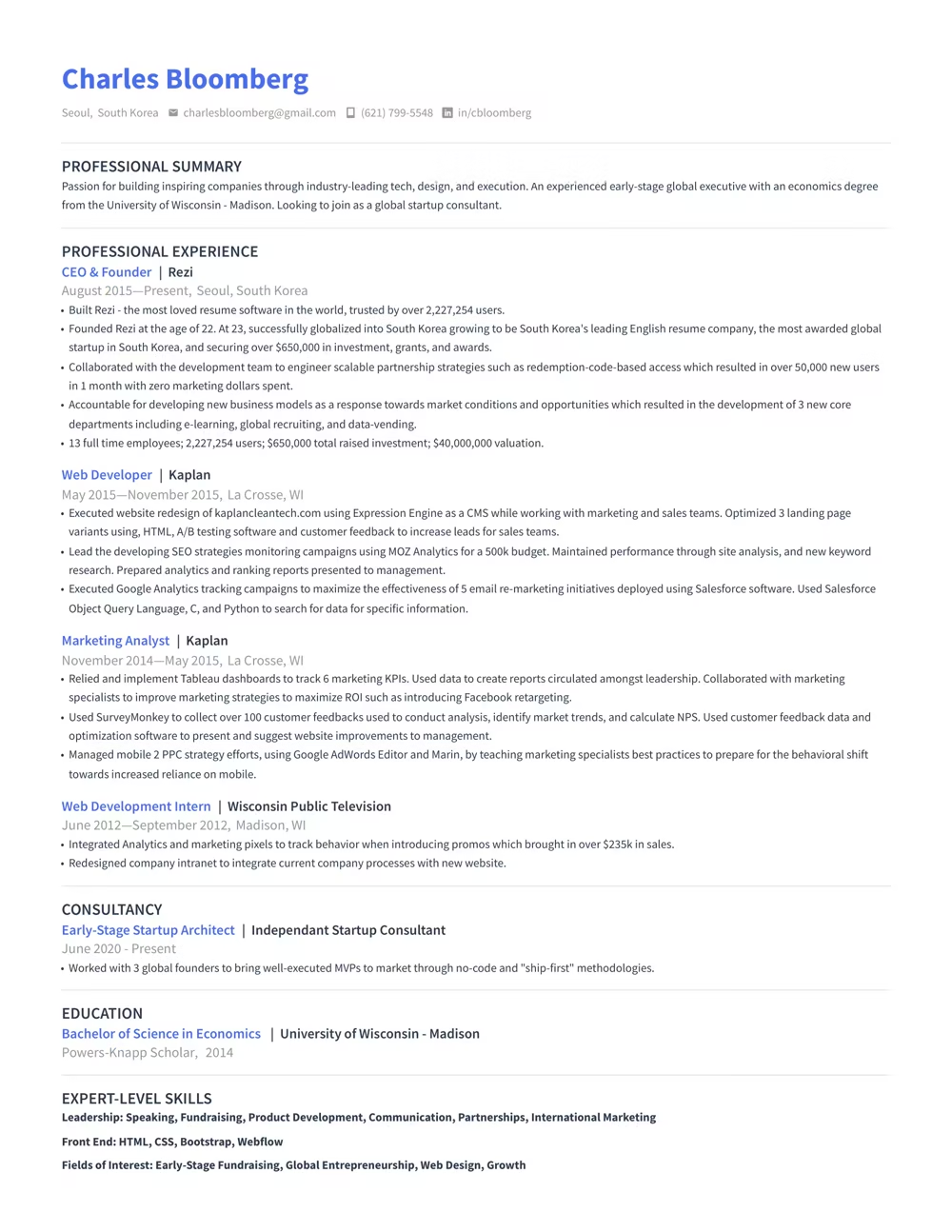
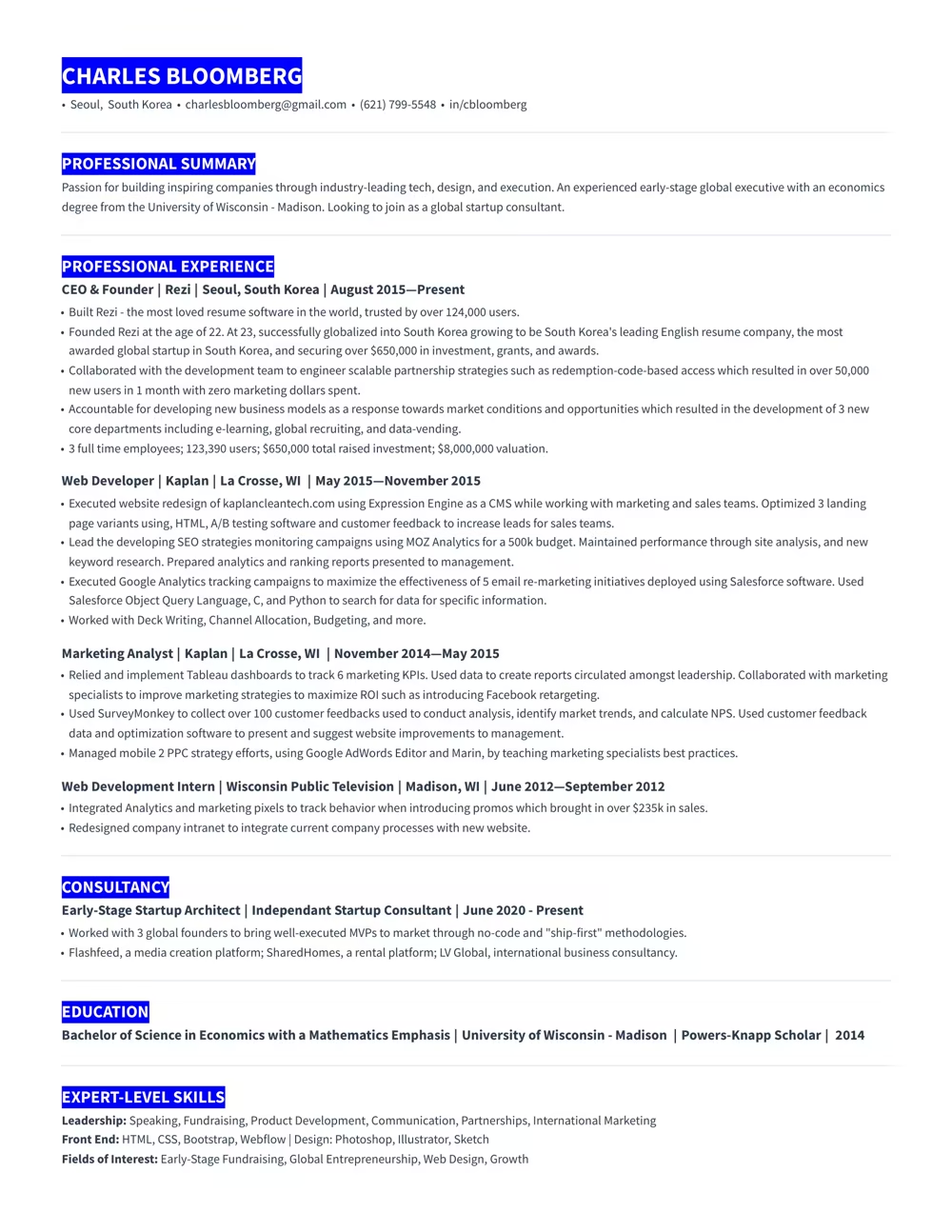
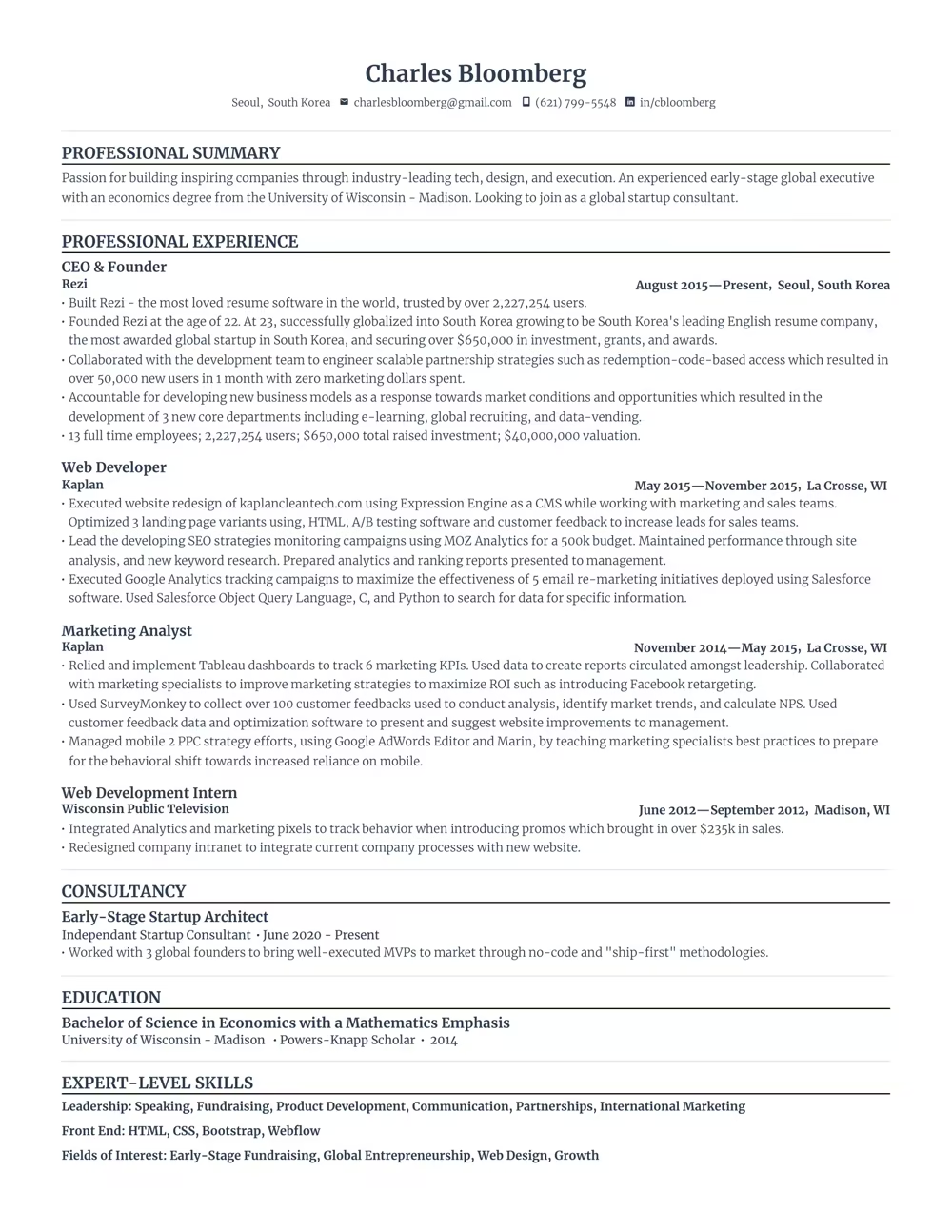
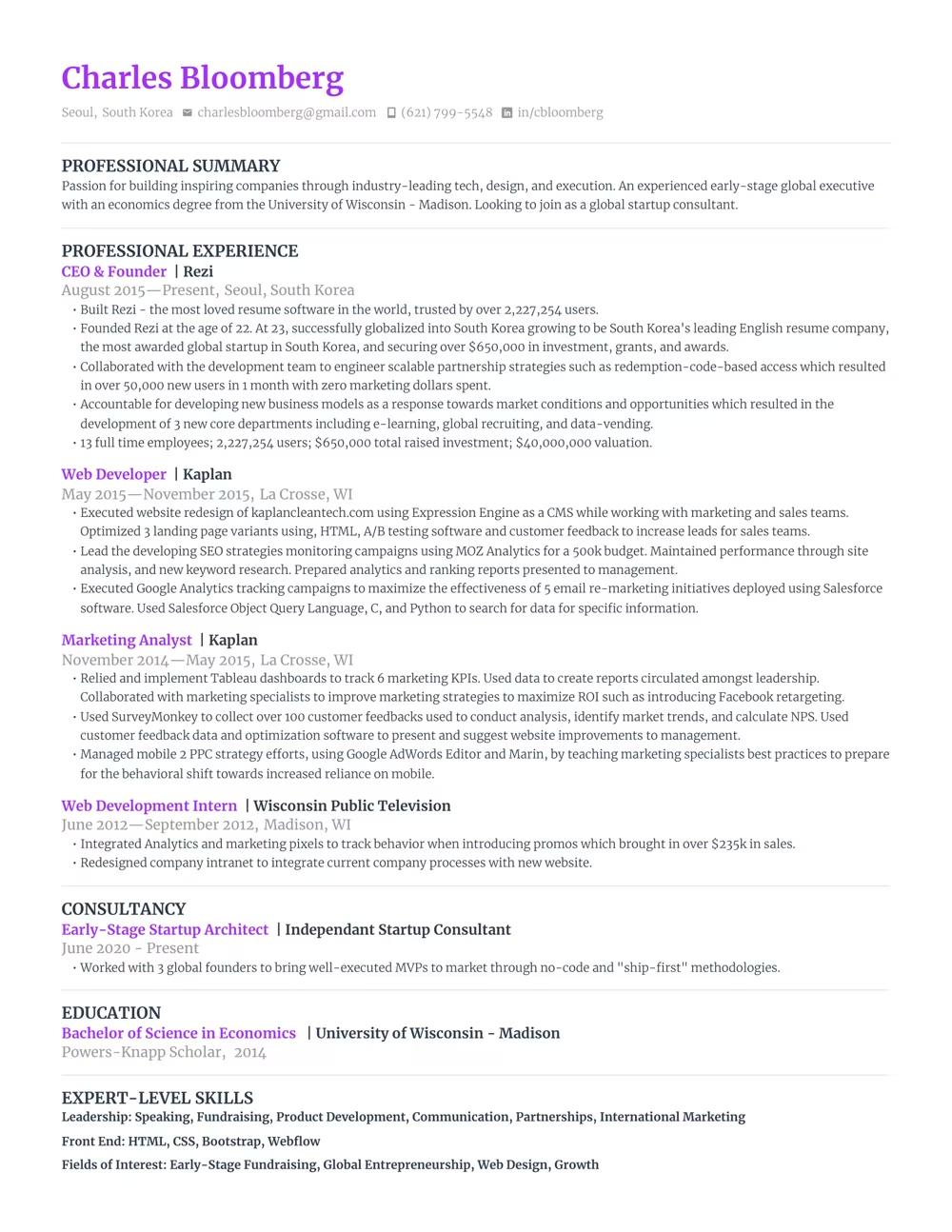
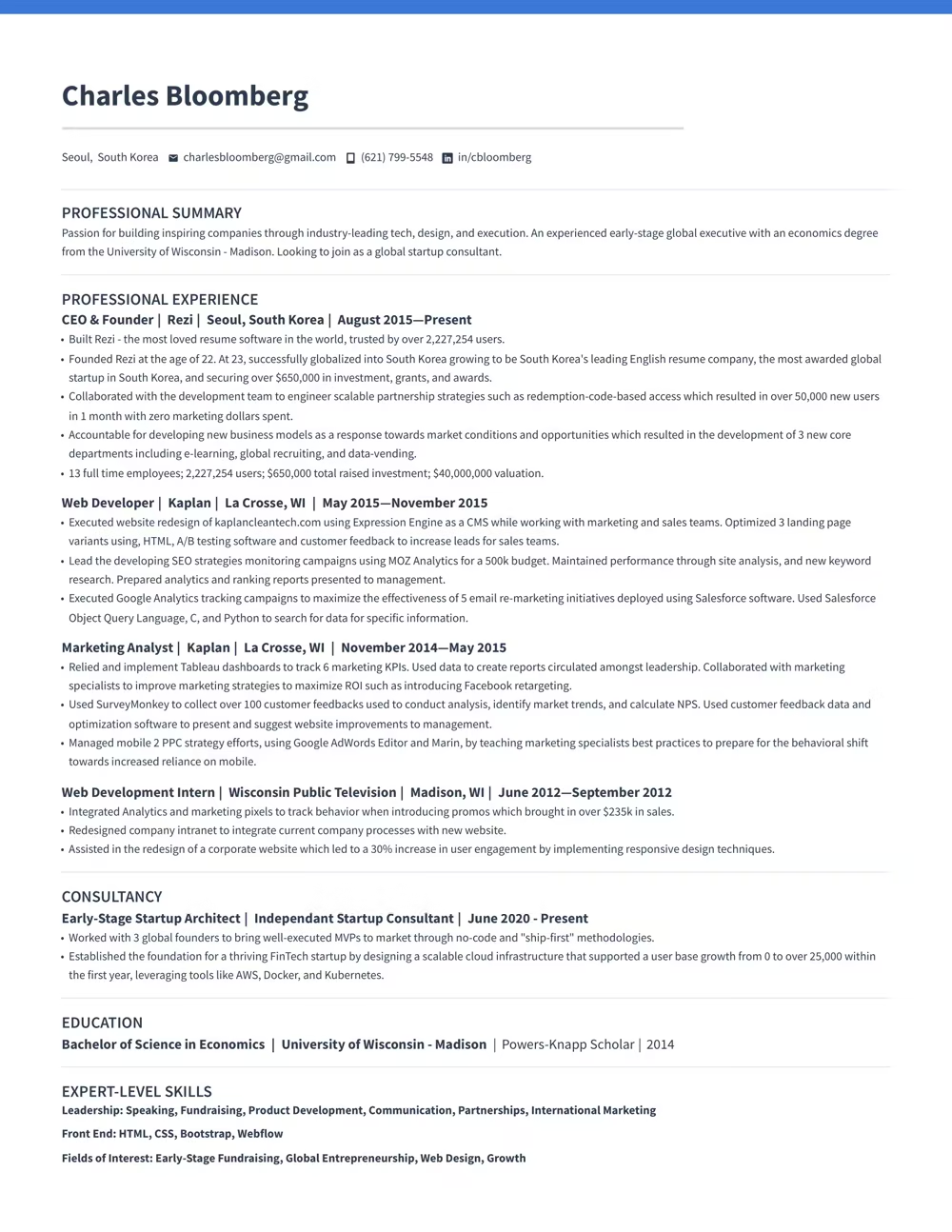
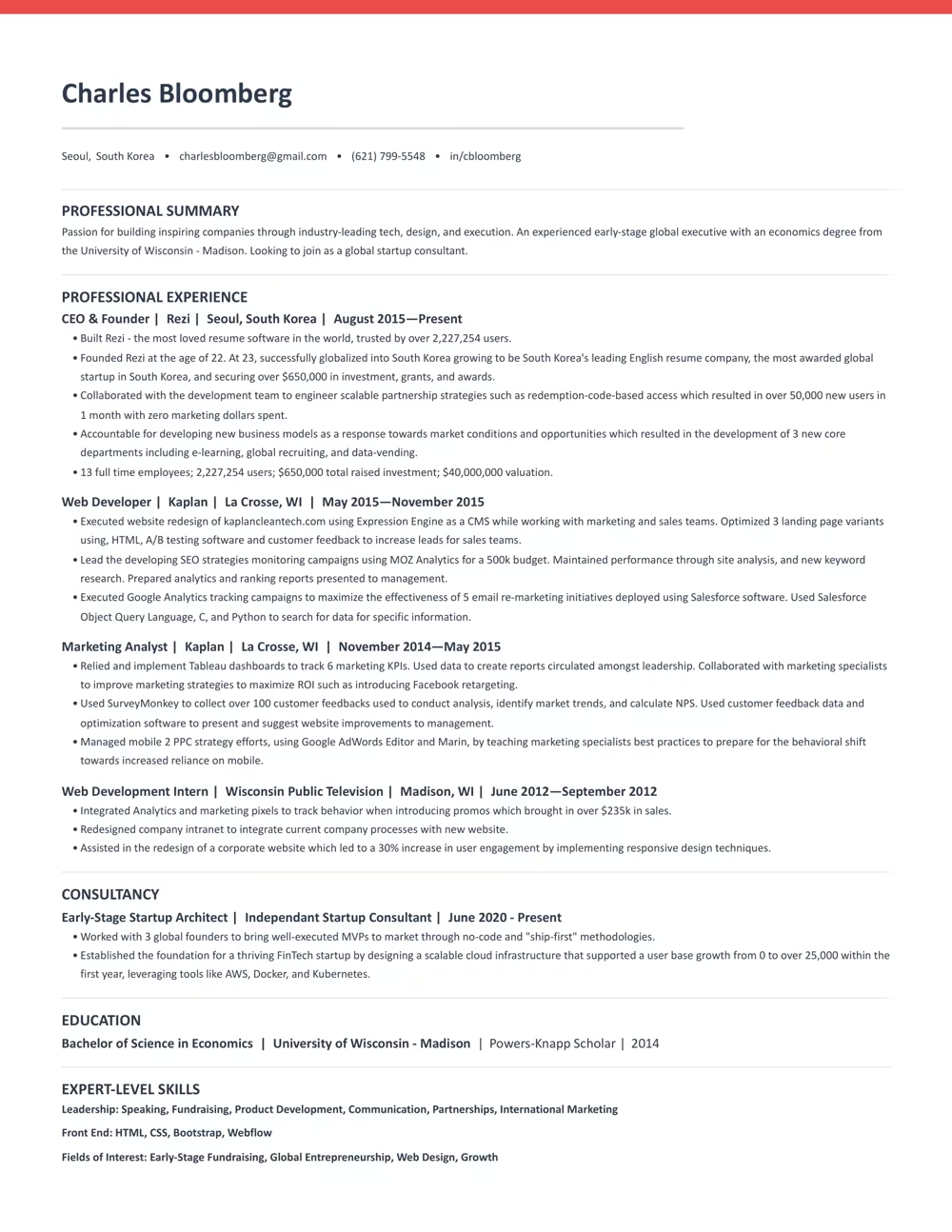
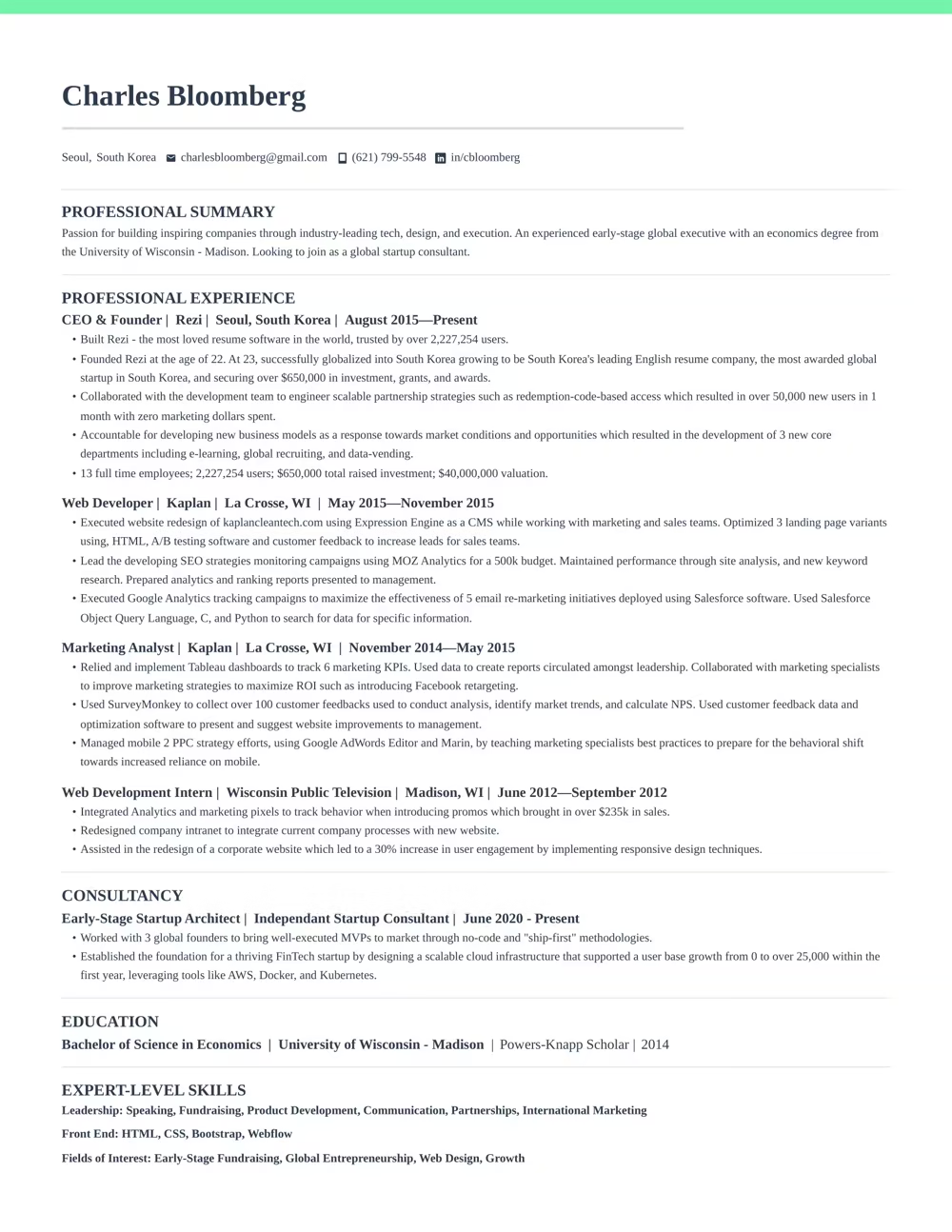
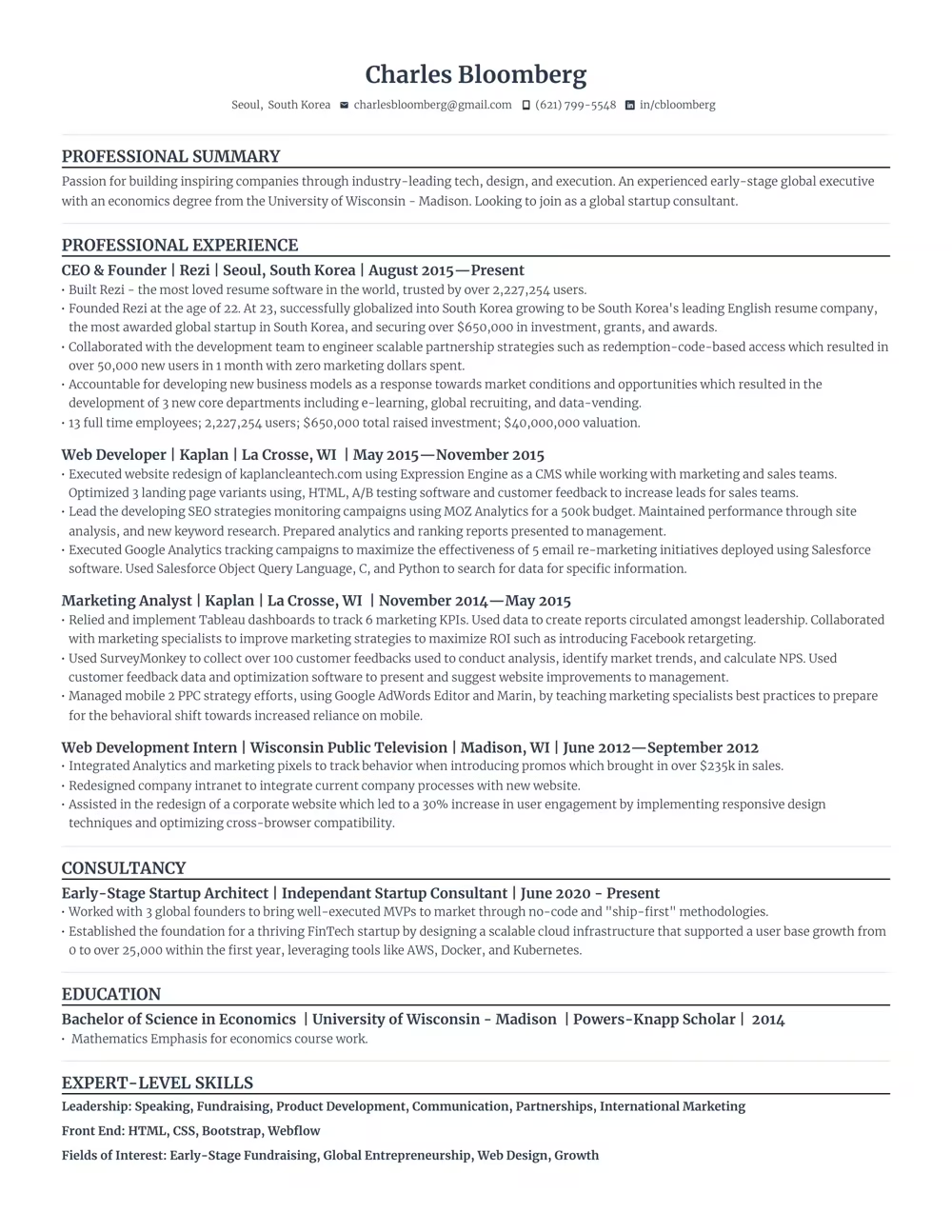
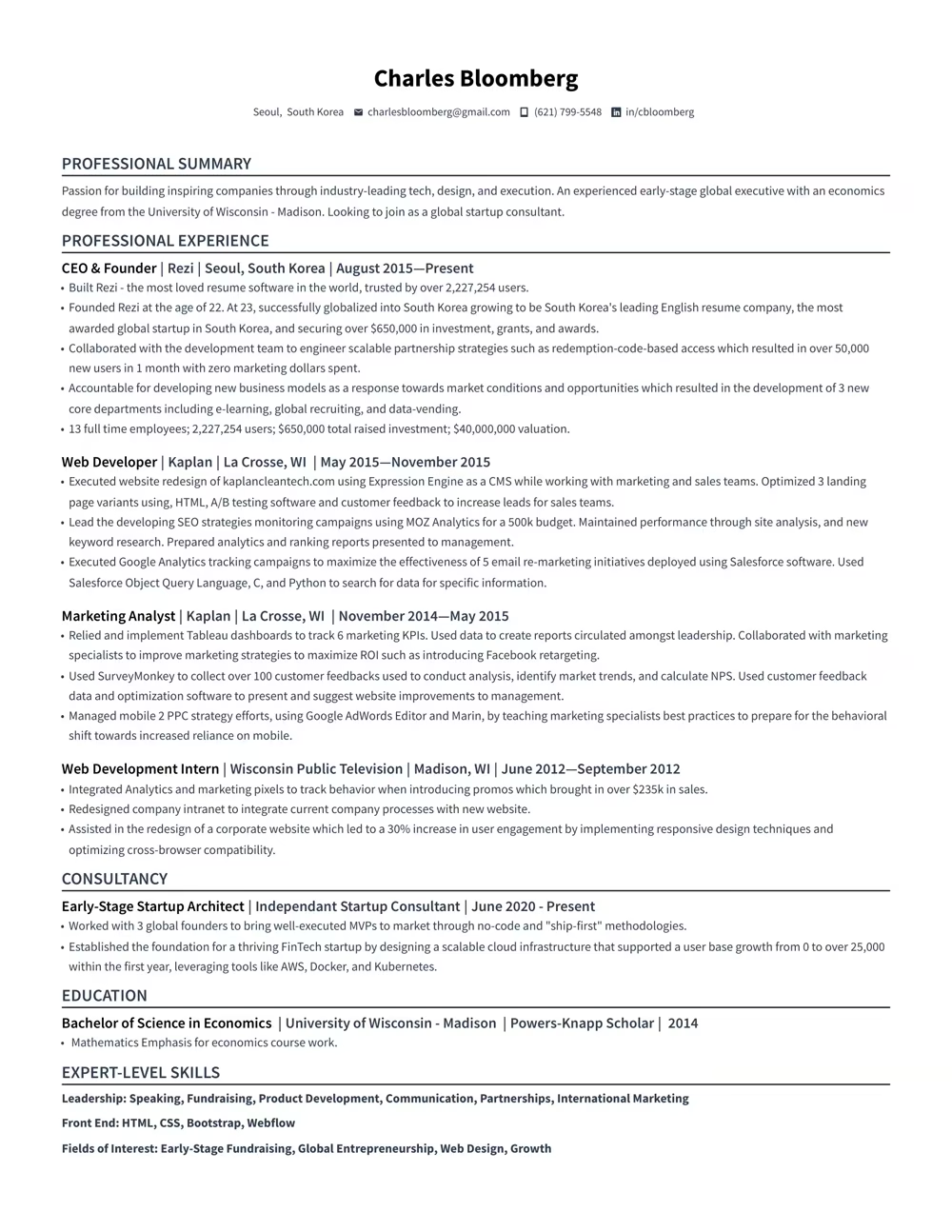
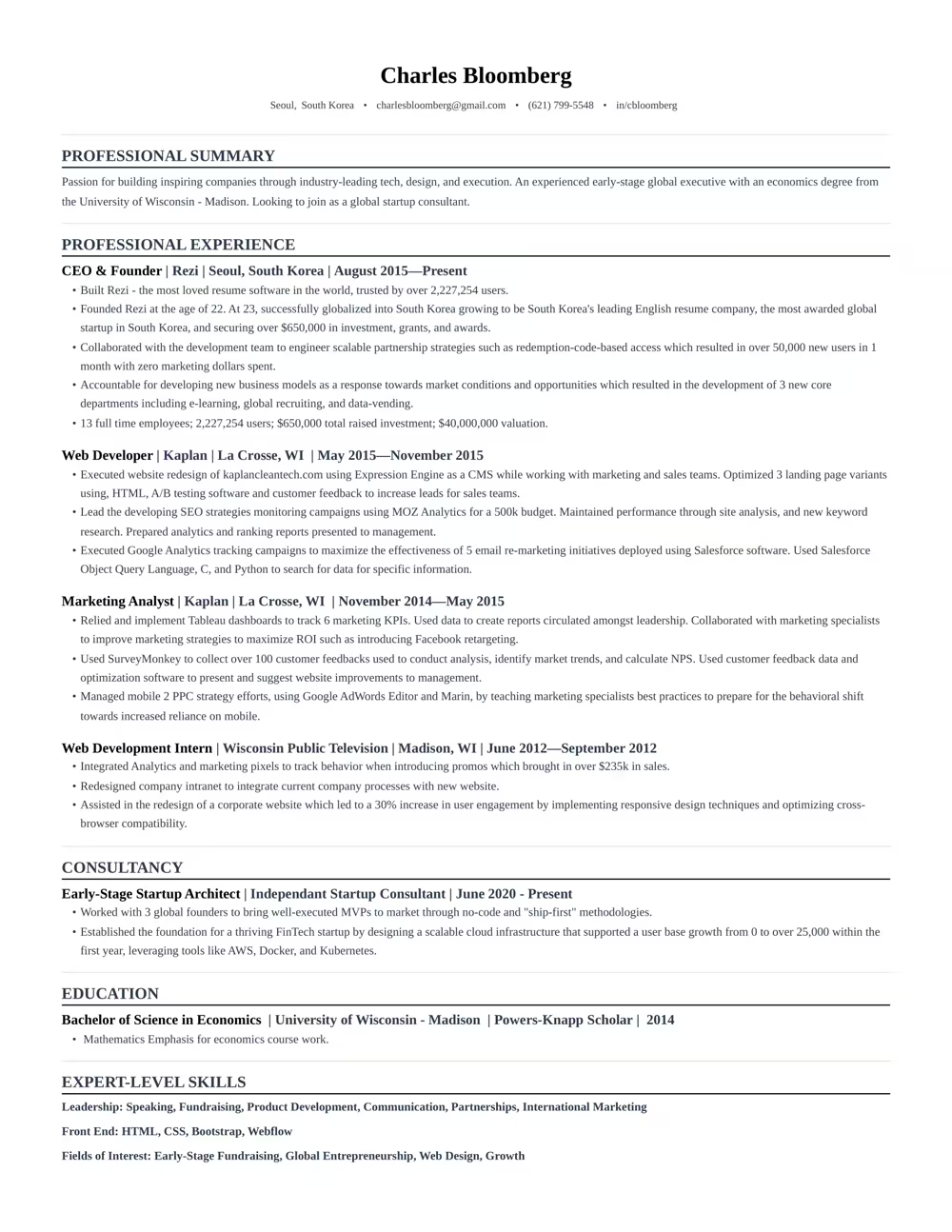
Use a template that guides you. Our ATS-compliant designs are trusted by over 4 million job seekers.



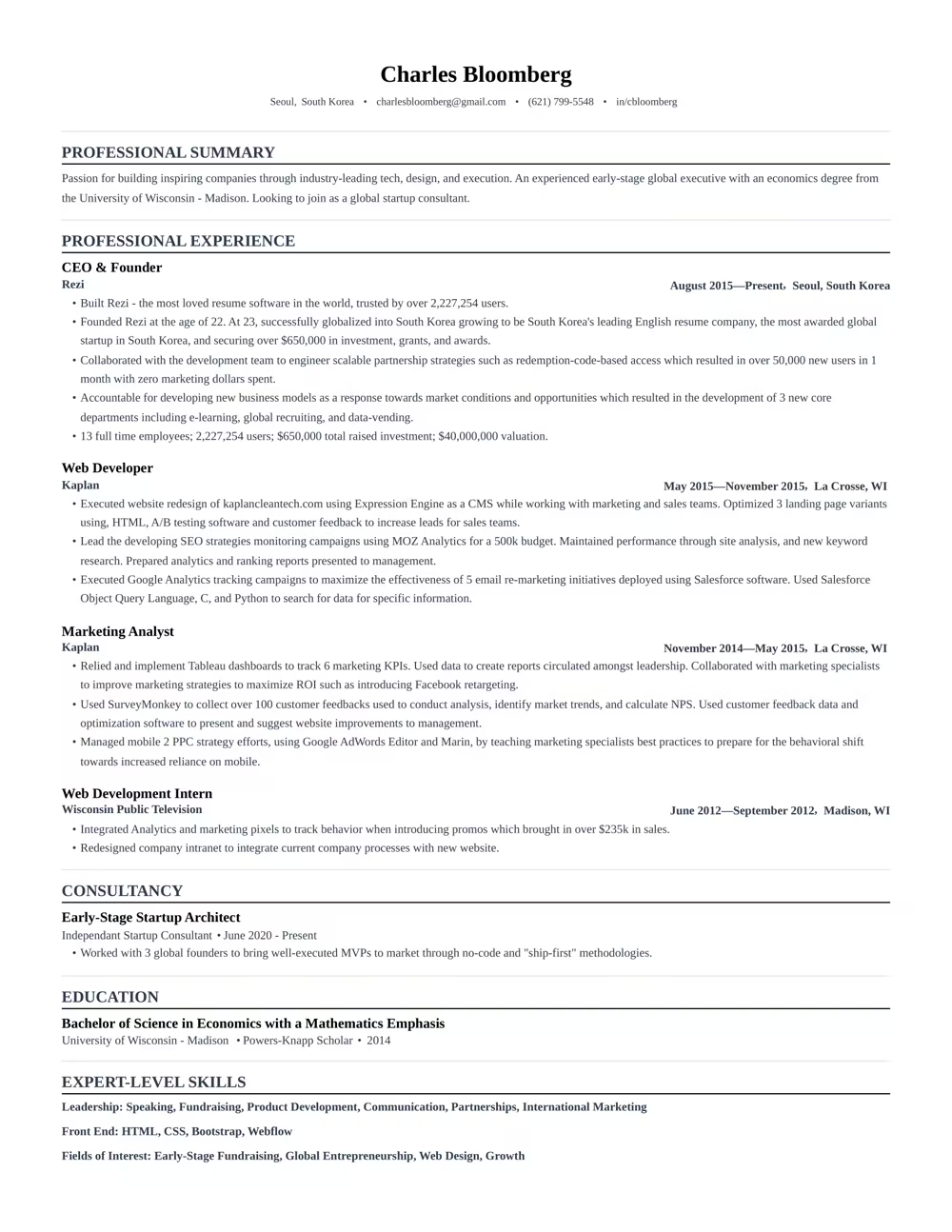
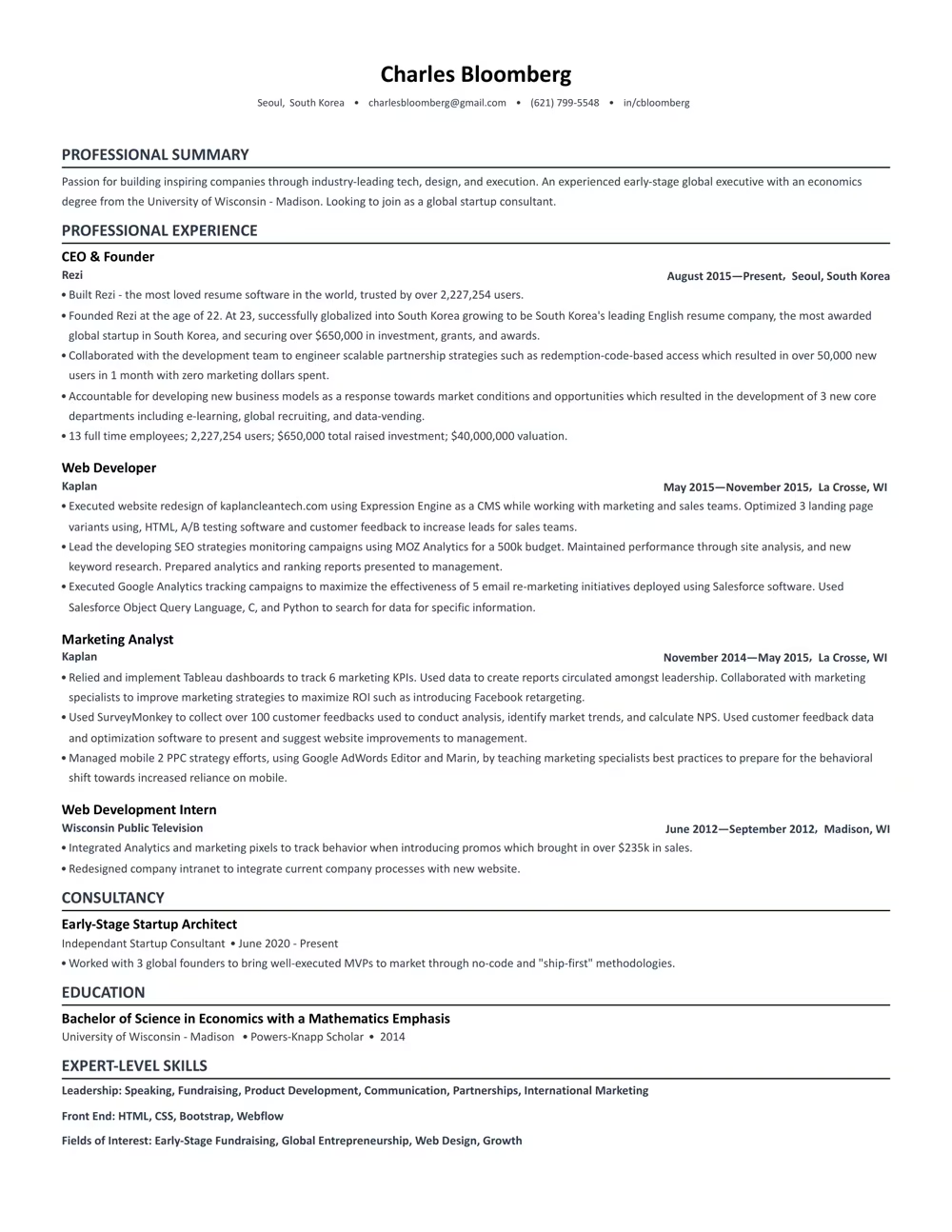
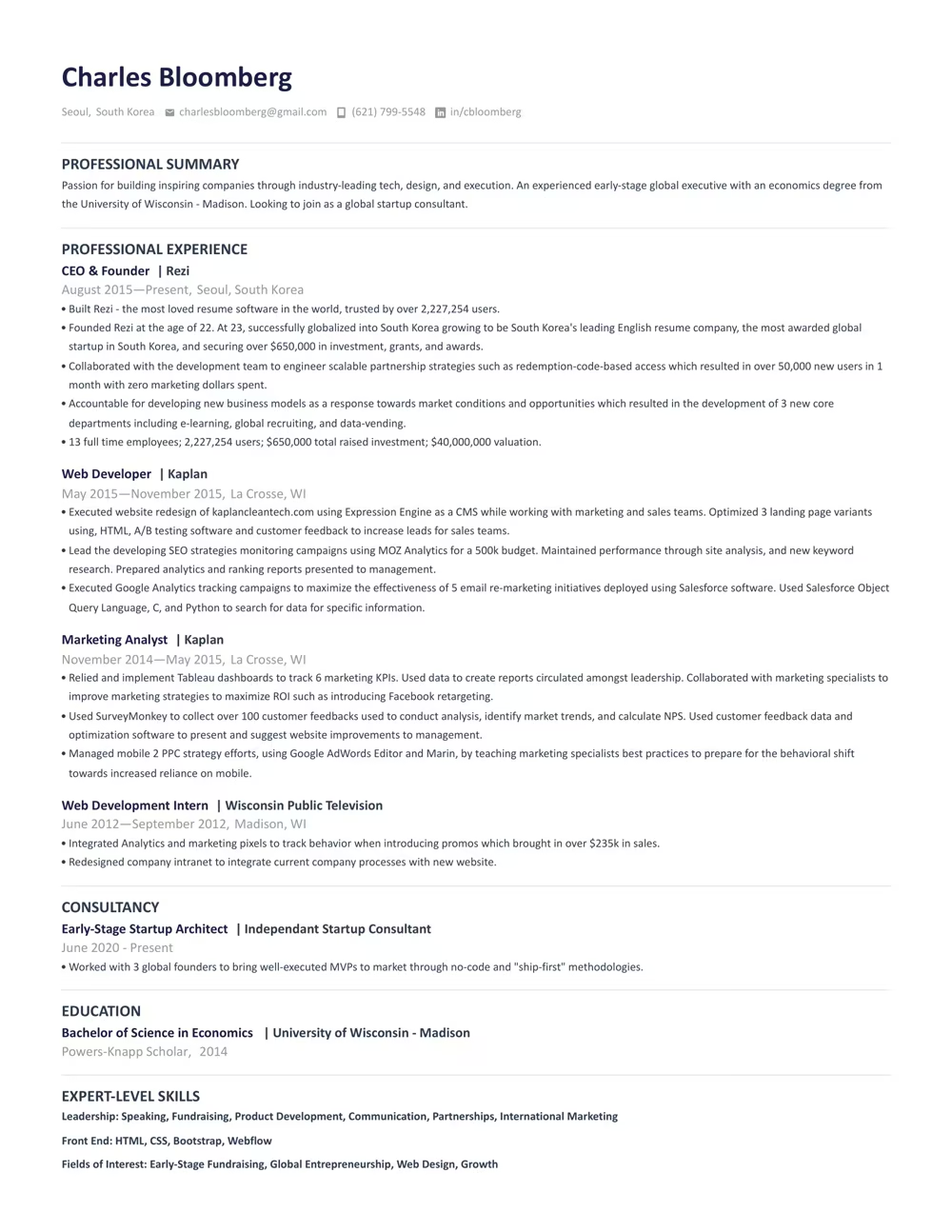
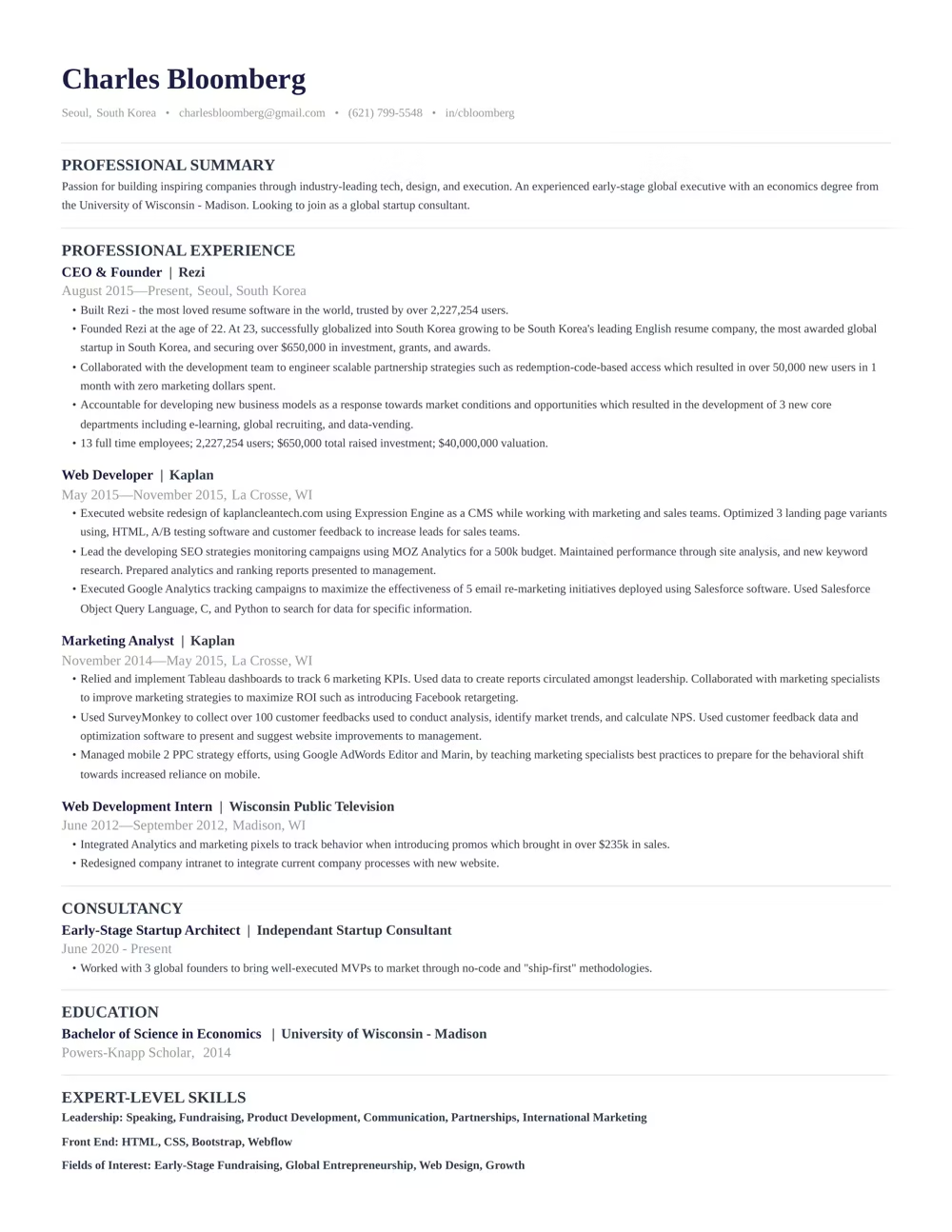

“Rezi is an awesome AI-based resume builder that includes templates to help you design a resume that is sure to check the boxes when it comes to applicant tracking systems. This is a great jumping off point to kickstart a new resume.”

Ashley Stahl
Career Contributor
62.18%
Interview Rate
4,510,834
Total Users
8.23 / 10
Avg. User Review
Wall of Love
Over 4 million users trust Rezi

“Resume Building felt like pulling teeth – until I found Rezi.”
Davis Allen
Software Developer

“I was blown away by Rezi. It streamlined everything...”
Celine Watko

“I needed a resume tool as smart as my work.”
Yosra Naceur
Data Scientist
“A great tool that is very helpful. I found the Rezi system easy to use and very helpful as I was working on getting my resume in shape for job applications.”

Dakota Rubin
United States
Written via

“This is actually one of the first reviews I’ve ever written for a business, and that alone says a lot. I highly recommend Rezi to anyone who’s job searching, it makes the entire process so much easier.”

Yazan Alkhatib
United States
Written via
“Reduced my time per application from 1-2 hours down to 15 minutes.”
Kixxx
Experience with Rezi
“I love how simple and convenient it is to use and been coming back to update it every time I need a fresh resume.”

Zara Wazir
U.A.E.
Written via
Frequently Asked Questions
Your questions, answered.
An AI resume maker helps you build a resume perfectly fit for the job you want. Top-notch AI resume builders are designed to speak the language hiring managers are looking for, increasing your chances of standing out in the crowd. It aligns your skills and experience with the job description effectively.
To get the most out of an AI resume builder, either start from scratch or upload your current resume. Fill in as much detail as possible about your career and skills, and upload the job description you’re targeting. This personalization allows the AI to build a unique and tailored resume that’s bound to catch potential employers' attention.
AI-generated resumes can seem similar if you're not giving personalized inputs or if you're using basic prompts. Provide specific details about your work experience and target the job you’re eyeing. Use specialized AI tools instead of general chatbots to avoid robotic-sounding resumes and to ensure individual creativity.
Employers might think you used AI, but that’s rarely an issue. What they really care about is getting a well-written resume that showcases your skills and experiences accurately. A top-notch resume tailored to their needs will speak volumes more than worrying about AI involvement.
Yes, using AI to optimize your current resume is highly effective. You just need to upload your resume, share details about your career goals and the job you want, and let the AI refine everything to elevate your resume's impact and ATS compatibility.
Rezi uses a tool called the AI Keyword Targeting. This feature scans the job description to identify crucial keywords and naturally incorporates them into your resume, giving it the right focus without keyword stuffing.
The Free plan is $0/month and allows you to create one resume, use limited AI tools (such as Keyword Targeting and Analysis), and download up to three PDFs. You can also create unlimited cover and resignation letters. No card is required to begin.
The Pro plan is $29/month and provides unlimited access to all features, including unlimited resumes, full AI capabilities, unlimited downloads, and one free monthly expert resume review (resumes are reviewed by a person).
The Lifetime plan is a $149 one-time payment. It grants permanent access to all the features of the Pro plan (unlimited resumes, full AI tools, and unlimited downloads), but it does not include the free monthly expert review (which can be purchased for an extra fee).
Rezi offers a 100% money-back guarantee on all paid plans (Pro and Lifetime). If you are unsatisfied, you can request a full refund within 30 days of your purchase.
Yes, you can easily upgrade or downgrade your plan at any time through your Rezi Account Billing dashboard. Prorated credits will apply when switching.
An AI resume maker helps you build a resume perfectly fit for the job you want. Top-notch AI resume builders are designed to speak the language hiring managers are looking for, increasing your chances of standing out in the crowd. It aligns your skills and experience with the job description effectively.
Yes, Rezi Enterprise.