
Resignation
12 Signs Your Boss Wants You to Quit Your Job
Is your manager setting you up to fail or picking on you? Uncover the key signs your boss wants you to quit and what you can do to take back control.


Published on
July 8, 2025
Updated on
March 11, 2026
I’ve been in your position. On my first day at a new job, I showed up excited, only to be met with silence. No welcome, no onboarding, nothing. What followed were cruel remarks, unanswered emails, and last-minute assignments as I was heading out the door. Sure, I was a little inexperienced, but my boss’s behavior crossed the line.
I stuck it out for seven months before I finally left (best decision ever). If your boss is making work unbearable, it might be more than a bad day. It could be a sign they’re pushing you out, and I know firsthand the toll it can take on your confidence and well-being.
So, how do you know when it’s intentional? Let’s break down the warning signs and what to do about them. This guide will cover:
- All the signs your boss wants you to leave.
- What to do if you think your boss is trying to get rid of you.
- When it’s time to walk away and move forward.
Are you thinking about quitting your job? Check out these useful guides:
- How to Write a Resignation Email
- How to Quit a Job You Just Started
- How to Quit a Job Professionally & Burn No Bridges
Signs Your Boss Wants You to Quit
If your boss wanted you gone, they would just fire you, right? Not necessarily. While most employment is “at-will” and technically doesn’t need a reason for termination, it’s rarely that simple.
Letting someone go can come with legal risks, especially if there’s even a hint of discrimination or retaliation. Then there’s the pile of paperwork, potential unemployment claims, and the headache of hiring and training someone new. Honestly, many managers would rather avoid the drama. Instead, they might quietly hope you’ll decide for them and quit on your own.
Let’s look at some clear (and some not-so-clear) signs your boss wants you out the door.
1. They’re setting you up to fail
Your boss probably won’t outright say, “Hey, I’m trying to make your life miserable.” But they may not be pushing you to succeed, either. Have you noticed your workload growing to unrealistic levels? Are they asking you to complete new tasks at 4:30 pm on a Friday?
It’s easy to pile on the pressure to get you questioning your abilities, position in the company, and your sanity. You notice patterns of them giving you impossible goals, denying you the tools to succeed, or throwing you into chaotic situations with little context. And when things slip through the cracks? It’s you who’s the problem.
And setting you up to fail doesn’t always come directly from your boss. Take a look:
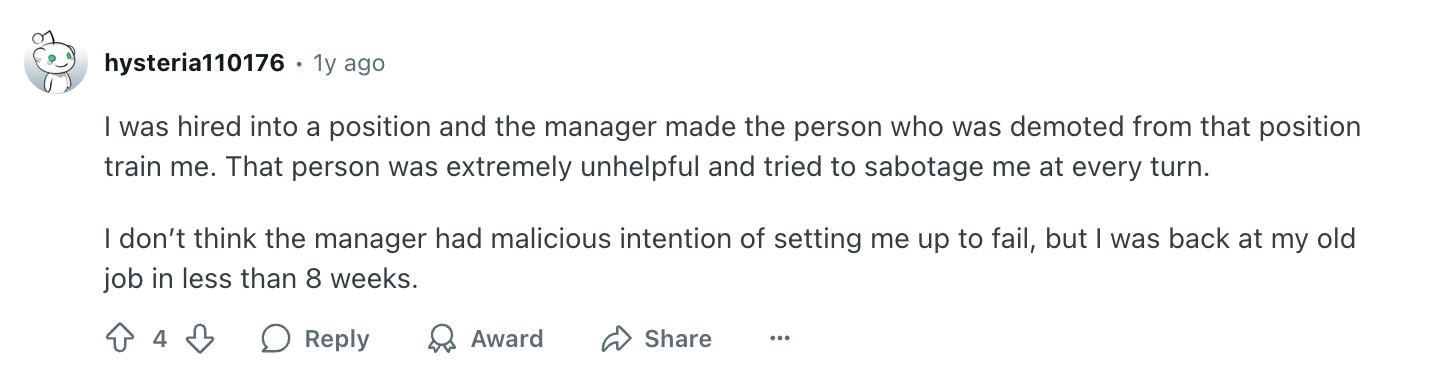
2. They don’t value you
When you’re pouring everything into your work (or just surviving the daily commute), the least you can get is some recognition. Your morale can easily take a hit when your efforts consistently go unnoticed, especially when your employer praises others for similar contributions. If your boss can’t even offer a nod of encouragement for beating those targets, it’s a sign they don’t see a future for you at the company.
And let’s be clear, you don’t need a whole song and dance every time you exceed expectations. But a simple “great job” can show some much-needed appreciation. In the long run, being undervalued can be more damaging than open criticism, especially if you see your peers getting the respect and rewards you also deserve.
Had enough of not being valued? Find out more: I Hate My Job: What to Do, and When to Quit?
3. They’re taking away your responsibilities
You find yourself doing less, but not by choice. Your boss starts telling you “not to worry” about certain tasks, as you watch them being passed on to your colleagues. The free time might be a welcome break at first, until you start questioning if you’re really needed in the company.
Shrinking your responsibilities without a logical reason could be a way for leadership to see if your position is worth eliminating. Or maybe it’s a tactic to bore you into quitting. Either way, it can make you feel underutilized and redundant. If you’re left with only grunt work or way too much spare time, that could be a hint that they’re prepping for life without you.
4. They’re picking on you
We’re not in high school anymore, and you shouldn’t have to deal with that feeling of dread when running into your bullying boss (let’s call it what it is). Passive-aggressive comments, public criticism, and subtle digs can escalate until you’re left second-guessing yourself. Everyone messes up occasionally, but if your boss treats your minor missteps like massive failures, that’s a red flag.
What makes this behavior especially toxic is the psychological toll. You might start doubting your abilities, lose confidence, and isolate yourself from your peers. And you’re not alone in this; 32.3% of adult Americans have been bullied in the workplace, with 75% claiming they’re aware of workplace bullying.
Here’s some honest advice if you’re going through a similar situation.
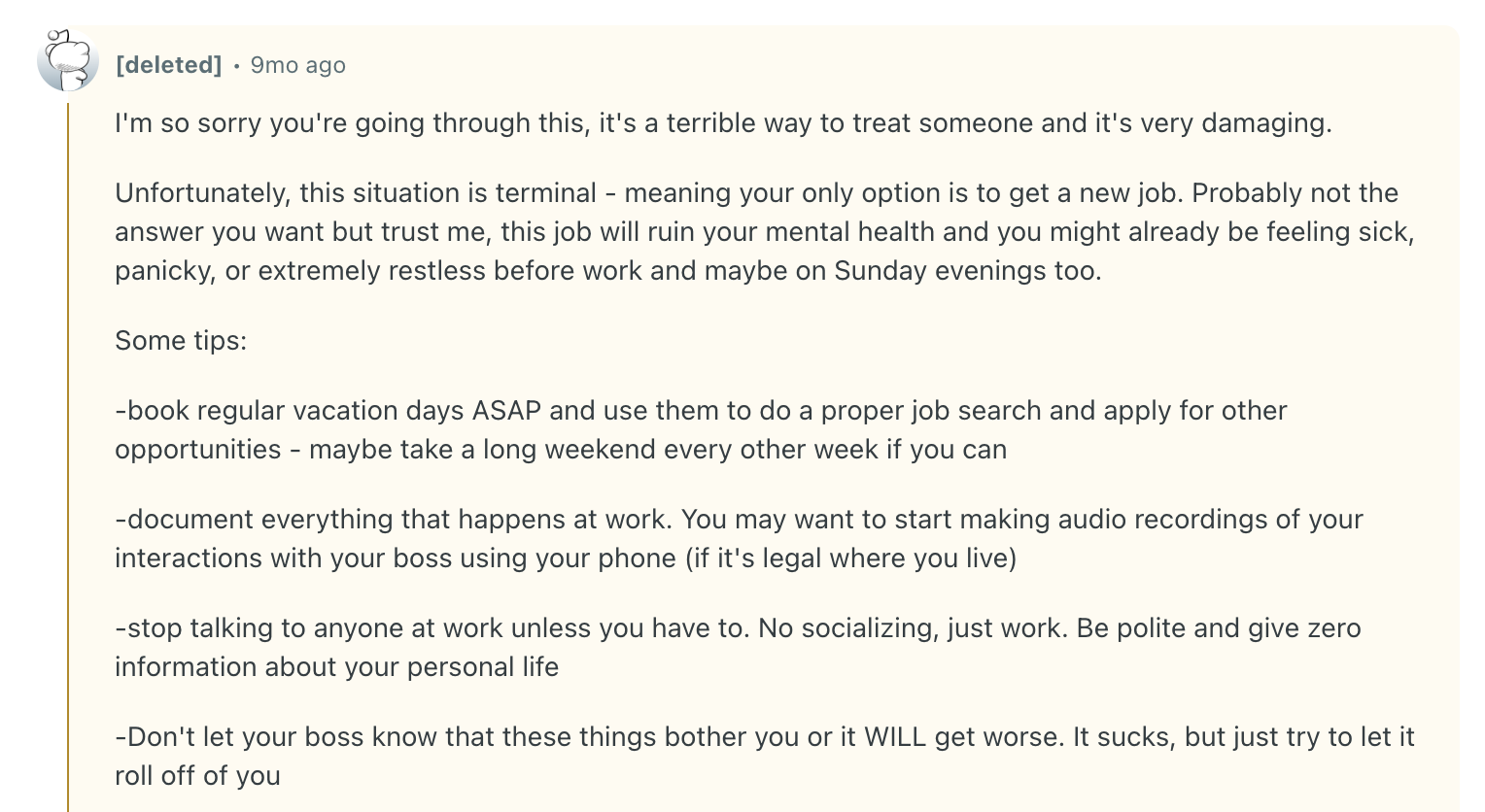
5. They think you’re incompetent (or want others to think that)
You landed this job for a reason, so you’re probably not totally incompetent. But it benefits your boss to frame you this way if they plan to make a case for your exit. One small error becomes the end of the world. A missed deadline becomes an ongoing performance issue.
This is often strategic. By nitpicking your every move, your boss could be building documentation to justify letting you go. Or they may be trying to tarnish your reputation so others see you as a liability. Are you walking on eggshells or over-explaining even basic decisions? Your boss’s attitude could be turning into a silent campaign against you.
6. You’re being excluded
Ever walked into a room and sensed the feeling that everyone knew something you didn’t? If you’re no longer invited to the usual meetings or your input keeps getting interrupted or ignored, that may be more than a simple oversight.
And sadly, being excluded isn’t always limited to the meeting rooms:
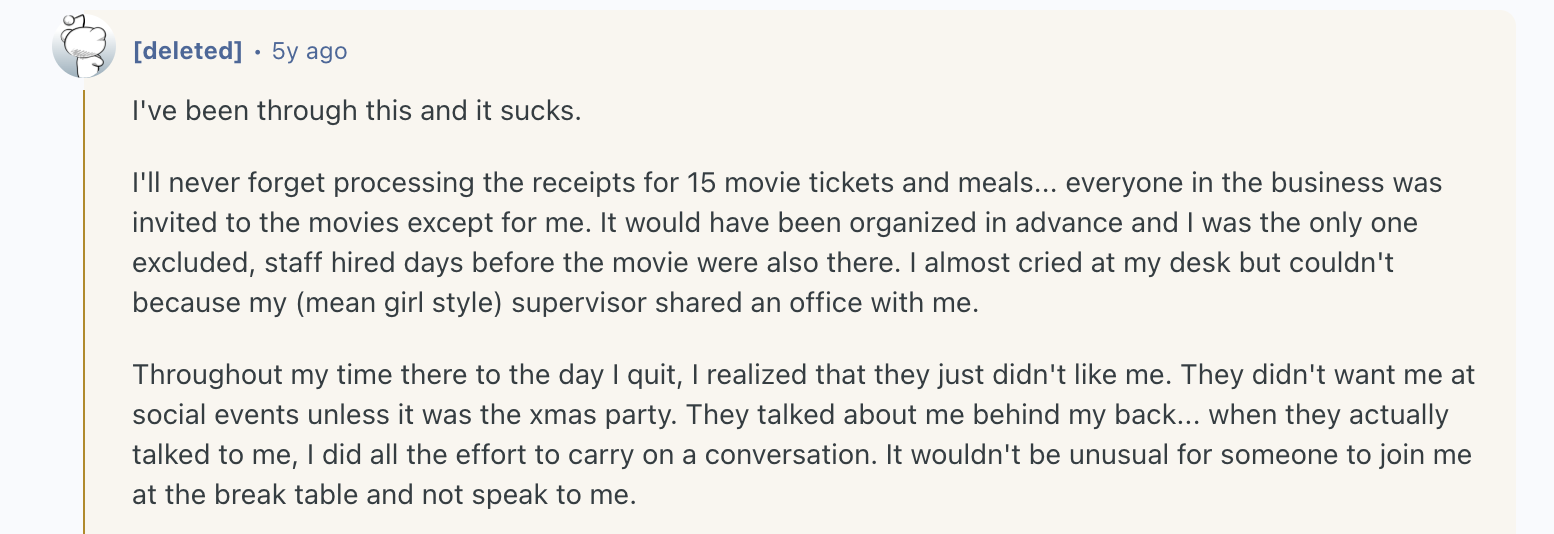
Exclusion signals that your opinion no longer matters. Even more troubling is when your coworkers also start drawing back, a potential sign that they’ve picked up on internal talks or rumors about your exit. If you’re suddenly the last to know, or if collaboration has mysteriously dried up, it could be your boss pulling a slow fade-out.
7. They’re trying to replace you
You come across a very familiar job ad on your company’s page, meet a new face in the office, and then see your tasks slowly being moved to another desk. Your company could be quietly bringing in a potential replacement while easing you out of your role. Yes, you still technically have a job, but your influence and responsibilities start shrinking.
The telltale sign? When you notice your new colleague doing things exactly like you would, or being trained to take over something you were handling just fine. It can feel like your authority is being undercut, and that emotional drain and feeling of being edged out can push people to quit before being officially replaced.
8. They’re avoiding you
We’ve all experienced that awkward silence in the elevator, or the questionable “gotta run” excuse as soon as you enter the break room. You could forgive this type of behavior after a particularly “enthusiastic” Christmas party, but it’s not a good sign coming from your boss.
If they’re dodging you, ghosting your emails, or constantly “rescheduling” your check-ins, it might be more than just a full calendar. Many of us prefer to avoid conflict, and the ones at the top are no exception. But when a boss stops communicating, it could be because they’ve already made up their mind, and they’re just waiting for you to figure it out and leave.
That said, having minimal contact with your boss isn’t always a bad thing:
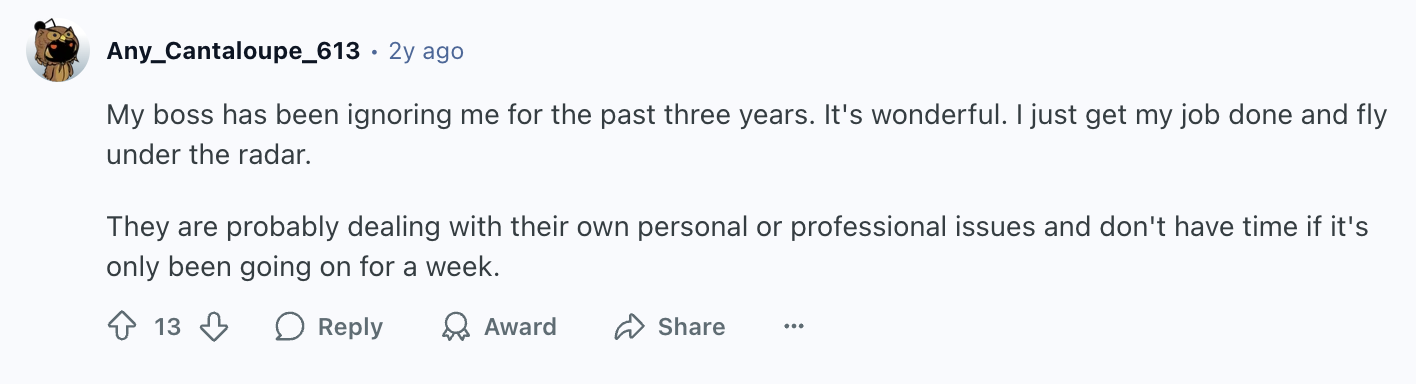
9. They set unachievable targets
How can your boss prove you’re not right for the job? Make it impossible. Sure, this tactic seems overly malicious, but your employer may justify it as a test to see what you can do. Let’s say they give you a two-week project with a three-day deadline. Or they ask you to hit a quota that nobody else has ever come close to. When that starts happening regularly, they could be setting you up to fail.
And this can come in all shapes and sizes, such as a lack of support, outdated software, no training, or goals with moving targets. You eventually start wondering if you’re the problem. If failure is consistent and inevitable, it’s only a matter of time before doubt takes over, and you decide you’re not cut out for the job.
10. They’re micromanaging you
If your boss is always there, watching your every move, you have two scenarios: they have a crush on you (inappropriate), or they’re micromanaging. Micromanagement looks like checking your progress obsessively, nitpicking every email, or asking for constant updates. Nobody likes being under the microscope, with 73% of workers saying micromanaging is their biggest workplace red flag.
When someone deliberately tries to find fault in everything you do, they may be collecting “evidence” to justify pushing you out. And that pressure? It makes you second-guess yourself and your position. If your once-easygoing working relationship suddenly becomes rigid and critical, it’s a signal that your boss has lost trust in you.
Here’s some good, old-fashioned Reddit advice on how to deal with micromanaging bosses:
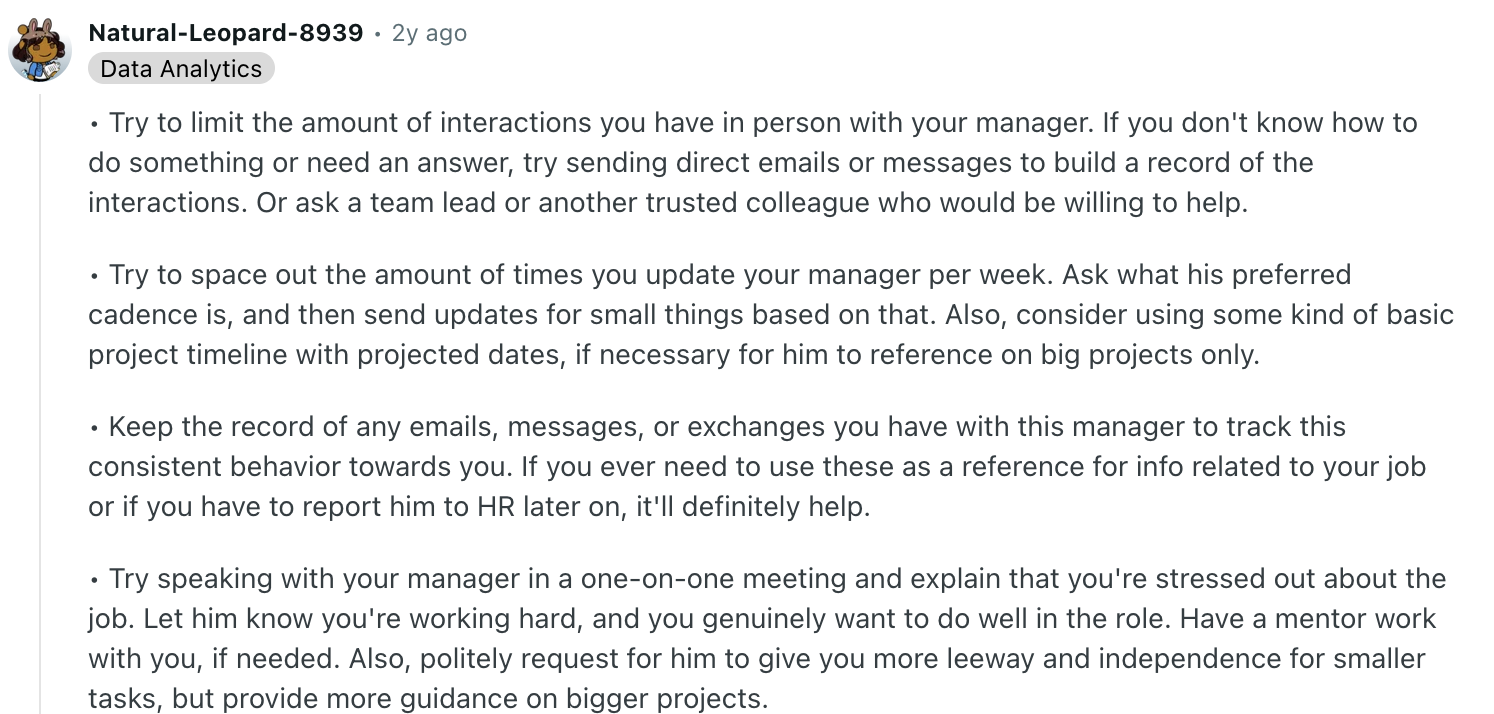
11. They told you to look for another job
Your boss’s recommendation to look for another job is basically them waving a huge sign in your face saying, “please leave”. They probably won’t bluntly say it, but they might dance around it with suggestions like, “Have you ever thought about working in [industry X]?” or “You might be happier somewhere else.” If they’re encouraging you to “keep your options open,” that’s not career advice — it’s a hint.
Some bosses genuinely try to help an employee land elsewhere, especially if they don’t want to do a messy termination. But other times, they’re just nudging you toward the exit, hoping you’ll take the initiative. If these conversations keep popping up out of nowhere, they might be trying to start the goodbye process without actually saying those words.
12. They just don’t like you
This is a tough one for my fellow people-pleasers, but not everyone will like you. It’s just unfortunate when that person turns out to be your boss. A change in tone, frequent criticism, or unreasonable expectations can all stem from how your boss feels about you. Did you have a disagreement or challenge an idea? It could even be as simple as your personalities not meshing.
You’ll often feel it before you can explain it. Comments feel sharper. Praise disappears. You’re left questioning if you’re being overly sensitive, but your gut keeps telling you something’s off. However, firing you can be tricky if the only reason is “bad vibes”. Instead, they’ll create a work environment so unpleasant that you want to leave.
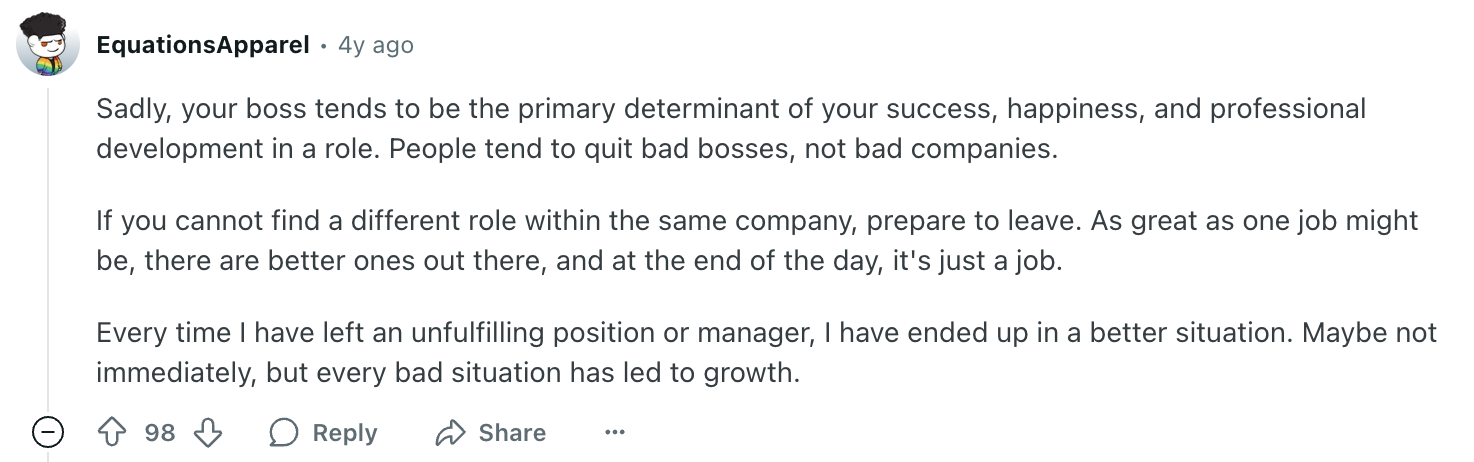
As this Redditor points out, you may be better off going to a more positive work environment:
Are you stuck in a rut? Take a look: Moving Forward With Your Life and Career
What to Do When Your Boss Wants You to Quit
Short answer:
If you suspect your boss wants you to quit, take action. Start by reflecting on your performance and upskilling to strengthen your value. You can clarify things by having an open, professional conversation about your performance and goals. If that fails, document any toxic behavior and review company policies to protect and back yourself up for future discussions. Quietly begin exploring new job opportunities and updating your resume to stay prepared. Most importantly, set boundaries after hours and take care of your mental health. Use this situation as fuel to reassess what you want next and treat yourself with the compassion you deserve.
Here’s a full breakdown of how to react when your boss wants you to quit.
Grow your skills
The best way to prove your value (and show you’re not going anywhere) is to listen to feedback and improve your skills. Instead of sitting around wondering when they’ll replace you, take control by learning and growing.
What can you do?
- Reflect on your performance and ask: Where can I genuinely get better? Consider specific areas, like improving your communication skills, technical abilities, or project ownership. Identify areas for growth and set SMART goals for the next month.
- Take a course or certification that’s aligned with your career path. It’ll boost your confidence and strengthen your resume, whether you stay where you are or decide to move on.
Check out the most in-demand skills: The Best Skills to Put on a Resume
Speak to your boss
Confrontation is scary, but feeling miserable every day and doing nothing about it is even worse. Sometimes, a direct (yet tactful) conversation clears the air, or at least confirms what you need to know. You don’t have to blurt out, “Do you want me to quit?” but you can ask for clarity.
What can you do?
- Schedule a one-on-one and say you’d like feedback on your recent work. Keep it professional and show that you’re open to improvement. This puts the ball in their court without sounding accusatory.
- Mention specific contributions and ask about future expectations. Something like: “I’d love to work on how I can continue adding value. Can we set a few goals I can work toward?”
Prepare for escalation
If your boss’s passive-aggressive ways mean you can’t have a reasonable conversation, it might be time to get ready for further action. It’s smart to be prepared if things get worse, especially if they’re leaning towards being unethical or even illegal. You don’t have to make a move yet, but documenting things now can help protect yourself in the future.
What can you do?
- Keep a personal log of any concerning interactions, especially if they cross that professional line. Record any dates, quotes, emails, or anything that helps you remember what happened in case you need to explain it later to HR.
- Read your company’s HR policies about grievances, terminations, or resignations. Knowing your rights can guide your next steps and possibly safeguard your future paycheck or benefits.
Explore other opportunities
It might feel premature, but there’s no harm in being ready. The pressure can weigh down on you if you have all your eggs in one basket, so having other options can lighten that load. Looking at what’s out there can give you hope and perspective, even if you’re not 100% ready to leave today.
What can you do?
- Never underestimate the power of networking. Reconnect with one or two past colleagues or mentors and let them know you’re exploring other options. Your next job might come from a conversation, not a job board.
- Tailor and update your resume to one or two roles you’re excited about. This alone can be a confidence boost and a reminder that you have skills other employers will value.
Tweaking your resume bullet points is the best way to take your resume to the next level. Use our free AI Resume Bullet Point Generator to help speed up the process. Simply enter a few professional details and get a list of tailored bullet point suggestions to add more impact to your application.
Disconnect after hours
Dealing with this situation can feel all-consuming, but your job isn’t your entire life. When work stress bleeds into your personal time, burnout sneaks up fast. And when that happens, it’s hard to think and plan your next steps.
What can you do?
- Set digital boundaries by muting notifications and switching off after work hours. That mental separation is so important, especially if things feel toxic at the office.
- Prioritize one activity after work that recharges you, such as exercise, reading, or dinner with a friend. Making time for yourself can give you the confidence and motivation to take back control.
Be kind to yourself
This isn’t your fault. We’ve all made mistakes, but no one deserves to be quietly pushed out or made to feel small. The fact that you’re even reflecting and exploring solutions says a lot about your character.
What can you do?
- Remind yourself daily that one job or one manager’s opinion doesn’t define your worth. Seriously. You are more than your title or current situation.
- Use this chapter (because that’s all it is) as a chance to reset your vision. Ask yourself what you want out of your work and life. Sometimes, hardship is necessary to create a better path moving forward.
Final Thoughts: Is It Time to Leave Your Job?
Deciding whether to stay or go isn’t black and white; it’s a personal decision with practicalities to keep in mind. Staying can feel like the “responsible” choice — it’s your comfort zone and pays the bills. Plus, leaving could mean losing any compensation you’d get if they fired you. But if your boss is clearly pushing you out through silence, criticism, or exclusion, it will inevitably take a toll. Is it worth it?
You can soften the blow by coming up with a solid action plan and safety net. That way, if you decide to leave, it’s not out of desperation, but with intention. You deserve a job that values you, and you have every right to go find it.
FAQ
How to tell your boss you want to quit?
Be direct, respectful, and prepared. Ask for a private meeting, and calmly explain that you want to move on for professional or personal growth. Thank them for the opportunity and share your intended last day (ideally with at least two weeks’ notice). Avoid burning bridges, even if the job wasn’t ideal. Offering to help with the transition shows maturity and leaves a lasting, positive impression.
How do you tell if your boss wants you to stay?
If your boss wants you to stay, they’ll likely express appreciation for your work, involve you in future plans, and ask about your goals. They may offer new projects, increased responsibility, or even raise the topic of a promotion or raise. If they’re checking in more frequently, asking how they can support your growth, or showing concern after you mention feeling unsatisfied, that’s a strong sign they’re invested in keeping you.
What are the signs an employee is about to quit?
Common signs of an employee planning to quit include a sudden drop in engagement, minimal participation in meetings, or being less vocal with ideas. They may start using more PTO, avoid long-term commitments, or quietly update their LinkedIn profile. If they’re unusually private about their schedule, less dedicated to their work, or seem emotionally distant, they could be job hunting and preparing to leave.
What is a soft firing?
A soft firing, or “quiet firing,” happens when a boss makes your job so uncomfortable that you feel forced to quit. It’s more subtle than a formal termination. You might be excluded from meetings, stripped of responsibilities, micromanaged, or given impossible tasks. The goal isn’t to fire you outright, but to create an environment where you eventually walk away on your own.
How do you tell if you are being quietly fired?
If your responsibilities are shrinking, you’re being left out of key conversations, or your boss avoids interacting with you, those are red flags. Add in a lack of feedback, sudden micromanagement, or being moved off important projects, and it might be quiet firing. The goal is to push you out without having to formally terminate you, so trust your gut if something feels off.

Upload or drop your resume to get started
Upload your resume to get started
Score my resume

Lauren Bedford is a seasoned writer with a track record of helping thousands of readers find practical solutions over the past five years. She's tackled a range of topics, always striving to simplify complex jargon. At Rezi, Lauren crafts genuine and actionable content that guides readers in creating standout resumes to land their dream jobs.