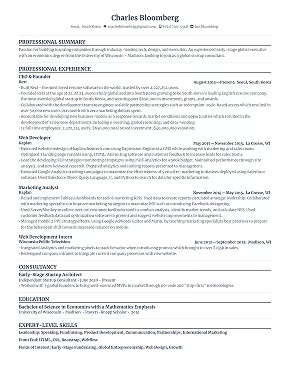
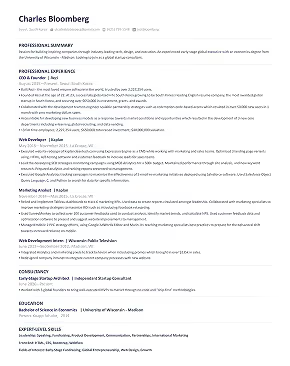
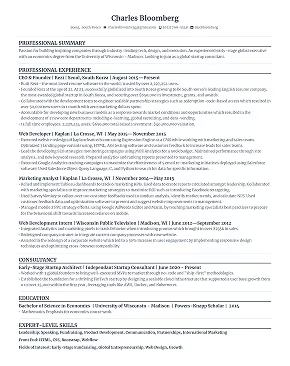
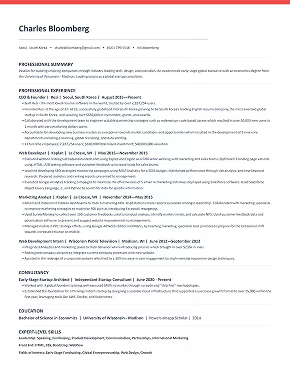
How to write a creative resume? Learn how to make your resume more fun and unique with a touch of creativity, while keeping it professional.


You’re a creative person, so it’s tempting to throw in some colors, fancy borders, and maybe a cool graphic or two. I get it — you’ve got an eye for design, so why let your resume blend into the stack of plain black-and-white pages?
But this isn’t all about you. Think about what the recruiter needs. They’ve got a job to do, and spending extra time hunting down your qualifications in a design-heavy resume isn’t part of it. They scan resumes in seconds, so a clean, familiar layout helps them get to the good stuff fast.
But there’s still room to reveal your creative side. This guide will show you:
- The best creative resume templates and examples.
- All the top tips for adding creativity to your resume.
- How to write a creative resume and keep it professional.
Best Creative Templates
I’ll admit it, I’m biased towards Rezi Creative Templates — but not entirely for the reasons you’re thinking. While some “resume experts” will tell you that creativity means flooding the page with colors, shapes, and images — this doesn’t work.
Even if it makes it past ATS (which is unlikely), recruiters don’t have the time to sift through all that noise to find your actual skills and experience. The goal is to keep it sleek and professional with a dash of personality. A pop of color, a modern font, maybe a tasteful icon or two — that’s all you need to stand out without going overboard.
Below, you’ll find my top picks for creative yet professional resumes to fit the tone of your future company.
Creative Resume Template

Vibrant Resume Template by Rezi
Our Vibrant Resume Template features a bright and inviting touch of color that distinguishes it from traditional resumes. It’s perfect for delivering an engaging presentation — ideal for professionals in creative industries who want to convey energy in their applications.
Accent Resume Creative Template

Accent Resume Template by Rezi
This Accent Resume Template combines a contemporary layout with subtle design elements, making it perfect for young professionals. It highlights your qualifications while maintaining an energetic feel, letting you stand out and show your enthusiasm.
Fun Creative Resume Template

Purple and White Resume by WissCreative Design
The Purple and White Resume is a great example of how color can make your resume stand out without sacrificing professionalism. A pop of purple separates each area, adding a fun element while making it easy for recruiters to bounce from section to section.
Colorful Creative Resume Template

Bright Resume Template by Rezi
Our Bright Resume Template comes with a touch of color and a clean layout, making it a solid fit for creative industries. It gives you a platform to present your personal style while letting your content do the talking.
Eye-Catching Creative Resume

Resume Template by TheArtofResume
With a striking border centering your name, this Creative Resume Template ensures you leave a lasting impression. The stylistic splash of color, icons, and underlined headings gives it a modern edge against more traditional black-and-white resumes.
Bold Creative Resume Template

Bold Resume Template by Rezi
Our Bold Resume Template outlines a creative background while maintaining a professional look. It's well-organized, and easy to read while allowing individuality to shine through. Its subtle design elements and clean formatting add personality without overwhelming the content.
Minimalist Creative Resume

Clean Modern Resume Template by DemeDesign
The Clean Modern Resume Template offers a minimalist layout with plenty of white space to make it readable at a glance. Sections are divided clearly, and the modern fonts give the resume a fresh and professional look.
Modern Creative Resume

Minimalist White and Grey Professional Resume by Saga Design Studio
This Minimalist Professional Resume may lack color, but it brings a contemporary flair with a modern font and a clear layout. Clean lines with bullet points and fun icons separate your sections to add readability to your resume.
Adobe Creative Resume

Free Resume Template by Adobe
When browsing resumes on Adobe, you’ll find many with unnecessary headshots, colored backgrounds, and shapes upon shapes. None of this is necessary. This Adobe Resume Template uses a simple, yet aesthetically pleasing design that won’t fall at the first ATS hurdle.
Professional Creative Resume

Professional Resume Template by Resumerush
The Professional Resume Template is great for job seekers aiming to combine creativity with professional branding. Make an impression with your own logo and use modern layout features to add personality to your resume.
Now, check out these creative templates tailored to different industries:
Artist Resume Template

Creative Resume Template by ResumeRitual
An artist’s resume has the most leeway when it comes to creativity — but it still needs to be readable and get past ATS scanners. This Creative Resume Template uses a distinct color to make your resume pop without overshadowing your skills and experiences.
Fashion Resume Template

Simple Resume Template by frommakertomaker
Many fashionistas will be familiar with the term “less is more” — and it certainly rings true with resumes. This Simple Resume Template offers an elegant layout with a subtle yet sleek twist. You can show your attention to detail while letting your content shine.
Marketing Resume Template

Professional Clean Resume Template by RedMapleStudios
Marketers are experts at promoting brands — but your resume is your chance to sell yourself. This Professional Clean Resume Template lets you showcase your skills and background with a subtle design element and modern fonts to add a touch of creativity.
Graphic Design Resume Template

White Minimalist Resume Template by Pixelpick
You don’t need excessive images and shapes to impress employers in the creative industry. This White Minimalist Resume Template shows you have an eye for visuals with a professional border and personal logo.
Media Resume Template

Resume for Mac by MoreProfesh
Working in media often means thinking outside the box — prove this from the get-go with the Resume for Mac. The eye-catching title, bordered headings, and simple layout shows you can present information in an interesting and fun way.
Creative Resume Tips
Want to add some personality to your creative resume? Whether tweaking a template or starting from scratch, you can inject creativity without overshadowing your content. But here’s the catch — having some creative freedom doesn’t mean ditching the “rules” completely. You’ll need to find that sweet spot between personal flair and professionalism to land an interview.
Let’s dive into the tips and tricks of writing a creative resume that stands out for all the right reasons.
Don’t overshadow your content
Building a creative resume is about standing out, but not at the expense of what really matters: your experience. It’s easy to get carried away with flashy designs, but if it looks like you’re trying too hard, recruiters might think you’re compensating for a lack of skills.
Here’s what all style, no substance looks like (and what you need to avoid):

Let your creativity shine through your content. Don’t just list your jobs and internships — highlight diverse experiences like freelance gigs, school projects, volunteer work, or hobbies that show off your creative skills.
Don’t be afraid to add a personal touch. Add unique hobbies, language skills, or travel experiences if they tie into the job or industry. These can help you stand out and give employers a better sense of who you are beyond your qualifications.
Readability should always be your top priority. Stick to a standard format with small tweaks, like a creative resume font or a pop of color in the headings. Just don’t overdo it. The design should complement the content, not distract from it.
Take a different approach
Getting noticed sometimes involves taking a risk. Non-traditional application methods can be tricky, but they often show you’re willing to go that extra mile. Just ensure your approach aligns with the type of company you’re targeting. Some places will love the creativity, while others may prefer a more formal resume.
Video resumes are becoming more popular, and are a great way to show your personality and communication skills. If you’re comfortable in front of the camera, a short video where you highlight your experience, skills, and enthusiasm for the role can help you stand out. Just be sure to send it alongside a regular resume to get through any initial screenings.
You can also reach out directly to someone at the company. Instead of only sending a standard application, try a personalized LinkedIn message beyond the typical “I’m interested.” Do your homework on the company and write something that speaks to their challenges or the role’s needs.
Here’s how to reach out through LinkedIn:
Hi [Hiring Manager’s Name],
I hope you’re doing well. I recently came across the [Job Title] position at [Company Name] and wanted to personally reach out because I’m genuinely excited about the opportunity. I’ve attached my resume to my formal application, but I wanted to take a moment to connect directly with you here.
I’ve been following [Company Name] for a while and love the way you [mention something specific about the company or their recent work]. It’s clear you’re [highlight something about their goals or challenges that you’ve researched], and I’d love to bring my background in [mention a relevant skill or experience] to help achieve those goals.
I’d love to connect further and chat about how I could contribute to [Company Name]’s continued success. Thanks so much for your time, and I look forward to hearing from you.
Best regards,
[Your Name]
Tailor to the industry and company
Different industries have distinct tones, so you can add creative flair by adjusting the content and design to match. One way to do this is to subtly incorporate the company’s branding into your design, like using a color scheme or a specific font.
If you’re aiming for fields like graphic design, marketing, or advertising, show your design chops right from the start with a splash of color or modern fonts. You can also take the creative approach to startups, as they often review resumes themselves rather than relying solely on automated systems.
But if you’re going for a more traditional or conservative job, it’s best to keep it toned down. A little creativity is fine, but too much might make you seem out of sync with their culture.
And remember the power of research. Dig into the company’s mission, values, and goals, and then highlight how your skills, experience, and personality line up with them. It shows you’ve done your homework and are genuinely interested in what they do.
Learn more about how to match the company aesthetic: Tailor Your Resume to a Job to Any Job Description
Avoid going overboard and flashy
Whether using emojis, spritzing on perfume, or slapping on some hair gel — sometimes less is more. And yes, that also applies to your resume. You want it to get noticed, but not so much that it becomes distracting or tough to read.
Check out this example of what NOT to do:

A touch of creativity is great, but don’t overdo it. Subtle design elements like simple icons or using lines and circles to make your bullet points pop can add some visual appeal while still keeping it professional.
Be careful with colors. A little color can brighten up your resume and make it more eye-catching, but too much can turn it into an eyesore. Stick to one or two accent colors that work well together and keep the text black so it’s easy to read.
What about resume fonts? The same rule applies. Show some personality, but don’t go wild with fancy cursive or anything too decorative. They’re hard to read and could cost you the job. Go for clean, modern fonts, like Calibri, Helvetica, or Arial.
And please, skip the infographics — they’re too complicated for a resume. Hiring managers are quickly scanning your details, not trying to solve a puzzle. You want them to see the key points at a glance, not work extra to piece it all together.
Watch out for ATS screening
Research shows that 97.4% of Fortune 500 companies use Applicant Tracking Systems (ATS) to filter resumes before they ever reach human eyes. That means your resume may never get to the employer if you can’t get it past that initial screening.
So, how can you make your resume ATS-friendly?
Stick to a simple format. Fancy graphics, text boxes, or unusual fonts might throw off the system and cause it to miss important details. You don’t want to lose out because the software couldn’t figure out how to read your resume.
Take this resume — this would never make it through ATS scanners:

ATS software is hunting for specific terms from the job description, so you’ve got to weave those keywords in naturally. If the listing highlights skills like “project management” or “graphic design,” make sure those exact phrases are in your resume.
But ATS isn’t a total creativity killer. You can still add a little color or a unique font for your headings — just keep it subtle. The more straightforward your resume is to read, the better chance it has of passing the ATS and landing in front of a real person.
Check out these examples and find out more about getting past ATS scanners: ATS-Friendly Resume Templates
Use a consistent theme across application documents
Show off your creative eye and attention to detail by keeping a consistent theme across all your application materials. Think of it like personal branding — your resume, cover letter, portfolio, and even your online profiles should have a unified look and feel.
Start by choosing a color scheme that reflects your style and personality, then carry that through everything. If your resume has a certain color palette, make sure your cover letter and portfolio match. It creates a polished, professional look and makes you more memorable to employers.
Typography matters too. Pick one or two professional fonts that still have some character (Calibri, Helvetica, Verdana). Then, use those same fonts across your resume, cover letter, and even your website or business cards. This helps tie everything together and gives you a cohesive “brand” as a candidate.
Don’t forget about the little details. Are your bullet points consistent? Is the layout the same across all documents? Keeping these details aligned makes everything feel organized and intentional, giving your application materials a sense of flow.
How to Write a Creative Resume
Short answer:
Writing a creative resume is about striking the right balance between personality and professionalism. Use subtle design elements like a pop of color, clean fonts, headings, and occasional icons to make your resume stand out without overwhelming the reader. Always keep readability in mind and ensure it’s ATS-friendly by limiting graphics and non-standard fonts. Focus on your qualifications, highlighting relevant skills and experiences, while ensuring the layout is clean and consistent. Tailor the design to the company’s culture, choosing a style that fits the industry while professionally showcasing your individuality.
Choose a format to reflect the company’s aesthetic
If you’re interviewing at a laid-back tech start-up, you wouldn’t roll up in a full suit and tie, right? Mirroring the aesthetic and feel of the company in your resume shows you get their style and can connect with them on a deeper level.
Start by doing your homework. Check out the company’s website, social media, and marketing materials. Do they lean towards a minimalist look, or are they more bold? Let that inspire your resume design. If their branding is clean and modern, stick to simple lines, neutral colors, and crisp fonts. If they’re more edgy and vibrant, don’t be afraid to add a splash of color.
That said, don’t confuse creativity with going totally off the rails. Even if your career path is unconventional, your resume should still be easy to follow. A reverse-chronological format, with your most recent experience listed first, is the safest bet. It’s what most employers expect and helps them quickly skim through your qualifications.
And keep it concise. No matter how creative you get, your resume shouldn’t be longer than one or two pages. Focus on the key details, and make sure every section speaks directly to the job you’re aiming for.
Learn more about nailing the right layout: How to Format a Resume & What Standard Resume Format to Use
Add contact details and portfolio links
Your contact details are your chance to show off your creative work. Start with the basics: your name, email address, and phone number. If you want to add a subtle design flair, try using small icons — like a phone icon next to your number or an envelope next to your email.
Now, the important part — links to your online portfolio or social profiles. Whether it’s a personal website, Behance, Dribble, or LinkedIn, make sure you’re linking directly to where hiring managers can see your best work — don’t make them hunt for it. You can even link to a relevant video reel to show your personality or projects.
If you’re including social media profiles, keep them relevant and professional. LinkedIn is a no-brainer, but for creatives, platforms like Behance or Instagram can be great additions — just stick to accounts that showcase your work (not vacation photos).
Do you have a more detailed portfolio? Consider creating a separate PDF document with curated highlights of your work. You can attach it with your resume or link to it, so the hiring manager gets a taste of your work without overwhelming your resume.
Here’s how you can get creative with your contact details:
Frida Kahlo
📧 frida.kahlo@email.com
📞 (123) 456-7890
🌐 www.fridaportfolio.com
💼 LinkedIn: linkedin.com/in/fridakahlo
🎨 Behance: behance.net/fridakahlo
Use storytelling to outline your achievements
Creativity isn’t just about throwing in a bunch of bold colors and funky designs (seriously, steer clear). Recruiters focus on your content, so let your creativity shine through your experiences. Use storytelling to intrigue, but don’t overdo it with fluff.
Include the job title, dates, and a short description of your role in two to five bullet points. Focus on specific projects or achievements that highlight your skills and creativity. If you’ve worked on something that lines up with the job you’re after, bring it front and center.
Instead of simply listing responsibilities, focus on results. What did you actually accomplish in those roles? Have you delivered something quantifiable, like increasing client engagement or producing a standout campaign? These are the details that hiring managers care about because they show real impact, not just a checklist of tasks.
Use strong, action-oriented language. Words like “designed,” “created,” “executed,” or “led” will make your achievements pop. And don’t feel like you need to cram in every single job you’ve had. Stick to what’s relevant — even with experience in a different field, you can explain how those skills translate to this new role.
Check out this work experience section from a graphic designer:
Graphic Design Intern
Creative Studio | June 2023–August 2023
• Designed marketing assets for social media campaigns, leading to a 15% increase in online engagement.
• Collaborated with the creative team to revamp client branding, resulting in a more cohesive visual identity.
• Assisted in the development of a logo and brand guidelines for a local startup, which contributed to their successful product launch.
• Created infographics and promotional materials for client presentations, enhancing clarity and visual appeal.
Freelance Graphic Designer
Freelance | January 2022–Present
• Worked with small businesses to create custom logos, business cards, and marketing materials that improved brand recognition.
• Developed design concepts for web banners and social media posts, helping clients build a more engaging online presence.
• Built and maintained client relationships through strong communication and delivering projects on time and within budget.
Learn more about making your creative accomplishments shine: How to Describe Your Work Experience on a Resume.
Add your education and extracurricular activities
In the creative world, your experience and portfolio usually speak louder than where you got your degree. That’s why your education section should be short and sweet — you don’t need to over-explain.
List your degrees or certifications in reverse order, starting with the most recent, and skip the high school details if you’ve graduated college. There’s no need to include outdated details like your high school GPA; it just takes up space.
As for extracurriculars, keep them relevant to the job. While your stint as a wedding ice sculptor is certainly a talking point, it’s better to leave it off for that copywriting resume. Instead, focus on activities that highlight your creativity or passion for a specific field, like freelance gigs, personal projects, or anything that shows you’re serious about your craft.
Don’t forget to mention volunteer work if it connects to the industry you’re entering. It’s a great way to show that you’re not just in it for the paycheck — you’re genuinely passionate about what you do.
Here’s how to show your creativity chops through your education:
Education
B.A. in Graphic Design
University of California, Los Angeles (UCLA)
Graduated: 2021
Extracurricular Activities
• Worked as a freelance graphic designer, specializing in branding and social media assets for small businesses.
• Volunteered for Arts for All, creating promotional materials for local art events.
• Member of AIGA (American Institute of Graphic Arts), attending workshops and design conferences.
Find out more: How to List Education on a Resume
Connect your skills to the company
Too many “creative” resumes use infographics or charts to show off skills, but that just makes things harder for recruiters. They don’t have the time to figure out what each graph or icon means. Keep it simple. A list of bullet points is clear, easy to skim, and won’t confuse ATS systems.
But just saying you’re good at logo design isn’t enough — even I can put together a questionable logo on PowerPoint. The trick is backing up your skills with examples and results in your experience section. Show where you applied those skills and the impact they made. Did you design a logo that boosted brand recognition? Increased traffic? Be specific.
And don’t just list skills for the sake of it. Show why they matter for this job. Go through the job description and pull out key phrases or important qualifications, then mirror that language and those skills throughout your resume.
It’s tempting to list everything under the sun, but not every skill is relevant. Everyone’s expected to know Google or how to type quickly, so skip basic or unnecessary details. Instead, focus on the in-demand skills that directly apply to the position.
Take a look at these in-demand skills across different creative industries:

Find out how to present all your creative skills here: How to Put Skills on a Resume
Create an engaging resume summary
Your summary is a great place to show creativity — minus the flashy graphics and rainbow fonts. It’s your chance to reveal your creative experiences and skills in just a few short sentences.
What do you do really well, and how does that line up with what the company needs? Focus on the impact you can have, not just the tasks you can complete.
This is also a good place to sprinkle in your passions or volunteer work that ties into the company’s values. It helps paint a fuller picture of who you are beyond your professional life and shows you’re genuinely aligned with the company’s mission.
Check out this creative summary:
Results-driven copywriter with 3+ years of experience creating compelling content for digital marketing and social media. I have a knack for turning complex ideas into clear, engaging messaging that resonates with audiences and drives conversions. Whether it’s writing punchy ad copy or developing in-depth blog posts, I focus on blending creativity with strategy to meet brand goals.
Summary
Here’s everything you need to know when making a creative resume:
- A creative resume should balance creativity with professionalism by adding subtle visual elements while highlighting your qualifications and experiences.
- Ensure your resume is ATS-friendly by avoiding excessive graphics, images, or non-standard fonts that might not get read properly.
- Choose modern, clean fonts like Calibri, Arial, or Helvetica to keep your resume looking fresh without sacrificing readability.
- A subtle pop of color can make your resume stand out but don’t overdo it. Stick to one color or muted tones.
- Use simple icons to highlight sections or key points, but ensure they don’t distract from your content.
- Make sure your resume layout, spacing, and alignment are consistent to maintain a polished, professional look.
- Creativity should enhance, not overshadow your qualifications. Keep the focus on your skills, accomplishments, and experience.
- Align the creative elements with the company culture and job role — don’t use overly casual designs for a formal position.
FAQ
What is a creative resume?
A creative resume is a more visual and engaging version of the traditional resume, designed to stand out and show off your personality. It often uses subtle pops of color, modern resume fonts, or icons to catch the employer’s attention.
These resumes are especially popular in creative fields like design, marketing, or media, where showing off your creative chops can give you an edge. A creative resume still lists your experience, skills, and education, but it frames them in a way that reflects your individuality and creativity.
Do employers like creative resumes?
It depends on the industry and role. Employers in creative fields like design, advertising, or tech are more likely to appreciate a creative resume because it aligns better with the company’s tone. While in more traditional industries like finance or law, a creative resume might come across as unprofessional.
However, most industries will agree that a creative resume packed with images, colors, and an untraditional layout doesn’t give the best first impression. Recruiters often spend less than ten seconds on your resume, so a familiar format lets them find quickly find your information.
What is an example of creativity in a resume?
Creativity in a resume can be as simple as using a non-traditional layout, or as bold as integrating color or custom icons. For example, a graphic designer might use a clean, visually appealing design with color accents to highlight their skills and experience. You could also include a logo you designed or explain your accomplishments using storytelling techniques. The goal is to show creativity in a way that enhances the information rather than overwhelming it.
How to choose the right creative resume layout?
Start by researching the company and getting a sense of their tone, such as professional and traditional vs. fun and creative. Whatever the industry, always ensure that the layout is clean and easy to read, with clear headings and enough white space to prevent it from looking cluttered. Listing your work experience and education in reverse chronological order is a safe bet.
What is the difference between a creative resume and a formal resume?
The main difference lies in the presentation. A formal resume sticks to a straightforward structure — black text on a white page, no frills. It’s designed for readability and professionalism. A creative resume introduces subtle elements like color and design to show your personality and style.
While a formal resume is more suitable for traditional industries, a creative resume works better in roles or companies where innovation and individuality are valued. Both types need to highlight your experience and skills effectively.
Lauren Bedford
Lauren Bedford is a seasoned writer with a track record of helping thousands of readers find practical solutions over the past five years. She's tackled a range of topics, always striving to simplify complex jargon. At Rezi, Lauren aims to craft genuine and actionable content that guides readers in creating standout resumes to land their dream jobs.