
Recruiting
How to Improve Candidate Experience in Recruitment
Firstly, the best way to improve the candidate experience is to be honest. Be transparent, set them up for success, and move beyond email when possible.

Published on
January 13, 2026
Updated on
January 16, 2026
Here’s how to improve candidate experience in recruitment: automate resume standardization, support applicants at each stage, always follow through on commitments, be more honest, set expectations clearly, and make the application process incredibly easy. Also, go beyond email and give feedback even on rejection. Never leave candidates in the dark and be as transparent as you can.
Every recruiter has been there: you’re working with a qualified candidate but somewhere down the line they vanish into thin air.
No reply, no message. Just gone.
More often than not, it happens not because they lost interest in the role but because the experience left them feeling completely drained.
In this guide, I’ll share ways to improve your candidate experience in the AI era so that you can fill roles faster, retain stronger talent pools, and build stronger client relationships. From automating resume cleanup to being more honest, I’ll share how small changes can transform the way candidates feel about working with your agency.
What is Candidate Experience?
The candidate experience is simply how job seekers feel throughout your hiring process. From the moment they see a job post, to the conversations they have with recruiters and the feedback (or silence) they get at the end, every touchpoint leaves an impression.
And it’s not just about “being nice.”
Candidate experience is directly tied to how quickly you can place people and how strong your client relationships are. When candidates feel respected and kept in the loop, they’re far more likely to stick around, which means you fill roles faster and with a lot less resistance.
On the flip side, a poor experience pushes great candidates away and damages your reputation. If the application process drags on forever or you leave people waiting with no updates, it’s no surprise when they drop out—and trust me, they’ll remember your agency for it.
How to Improve Candidate Experience in Recruitment
Here’s how to improve candidate experience in recruitment:
- Automate resume standardization for faster submittals.
- Set up your candidates for success.
- Always follow through on commitments.
- Be more honest.
- Set structured process expectations.
- Make the application process incredibly easy.
- Move beyond email.
- Give feedback, even on rejection.
Improving candidate experience doesn’t always require a complete process overhaul. It’s more about recognizing that every touchpoint can either build trust or chip away at it.
The most effective recruiting and staffing agencies treat candidate experience with the same care as client experience. They streamline steps, communicate openly, and use tools to remove friction without losing the human touch. Nowadays, that means blending automation with personalization: using AI to move faster while still making sure candidates feel seen.
Automate resume standardization for faster submittals
Candidates hate when their resume gets “lost in translation.”
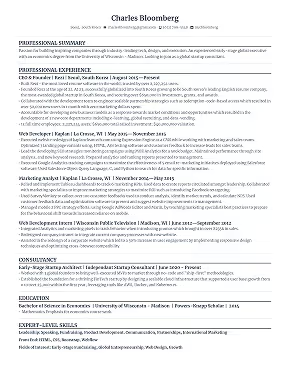
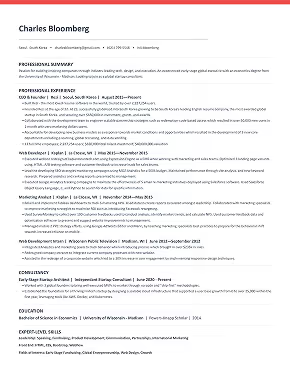
We get it, most resumes you receive aren’t exactly client-ready. A candidate might send you something they’ve worked hard on, but it’s still poorly formatted or just doesn’t meet expectations. That slows things down—not only for you, since you have to spend time fixing it, but also for the candidate who’s left waiting.
And that small delay can quietly chip away at their trust in you.
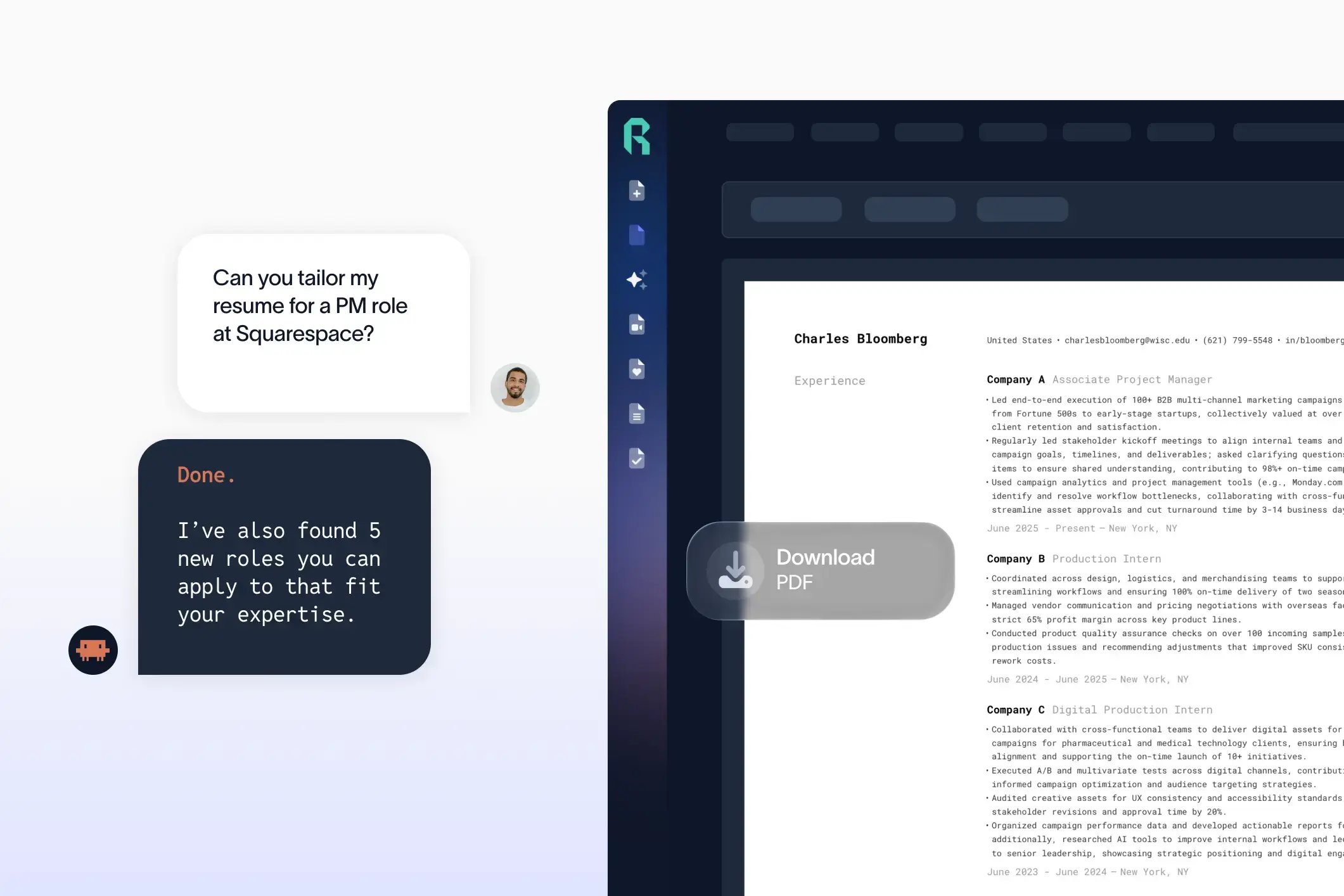
Automating resume standardization solves this. Instead of manually reworking each resume, tools like Rezi Enterprise can help you clean up formatting and structure in minutes so that every submission looks polished and professional.
Done right, the candidate still feels like their profile is being represented authentically—you’ve just elevated it without leaving them in limbo. And for you, it means far less admin and much faster submittals.
Relevant guides:
- How to Reformat a Resume
- AI is Reshaping Work: Why Skills-Based Hiring Matters
- Navigating the ‘A.I. Sludge’ Era in Modern Hiring
- The New Frontier of Resume Writing
- Common Resume Mistakes That Students Make
Set up your candidates for success
Setting candidates up for success is really about making sure they feel supported at every step.
When people have the right tools in front of them not having to second-guess what comes next, they’ll show up more confident and prepared.
As Benjamin Franklin once said, “by failing to prepare, you are preparing to fail.” So, give your candidates whatever tools or resources you can give them for better preparation. It makes your job easier by not just sending a number into a process, but by sending candidates who are indeed ready to shine.
A good example is interview prep. Clarify to candidates what competencies interviewers will be looking for, and give candidates a heads-up on how they can prepare. Even small touches, like tips and reminders, can make a huge difference.
Further resources:
Always follow through on commitments
Whatever you said you would do, make sure to actually do it. Nothing frustrates candidates more than broken promises.
If you say you’ll follow up in a week, but they never hear back, that silence does real damage. Even if the update is simply “we’re still waiting on feedback,” sharing that small message builds trust. Candidates don’t expect miracles, but they do expect honesty and reliability.
If your team has the resources, consider going a step further with candidate-centric portals. These give candidates a place to log in, see their application status, and know exactly where they stand. It also saves you from sending endless status emails while giving candidates the transparency they crave.
Be more honest
No one wants to feel like they’re being left out in the dark.
One user on this Reddit thread about improving the candidate experience put it nicely:

A lot of candidate frustration can come down to uncertainty. Not knowing how many interviews there are, what each one is for, or when they’ll hear back—it all adds to the stress of job searching.
Honesty should also extend to compensation. Being upfront about the pay range early saves everyone time and shows candidates that you respect their time. That kind of honesty sets the tone for a positive experience from start to finish. If the role isn’t aligned with their expectations, it’s better to know sooner rather than later.
Set structured process expectations
Set expectations early. From how many rounds there will be, to who candidates will meet, to when they’ll hear back—give them a clear roadmap.
The impact is huge: candidates feel informed and respected, clients meet better-prepared candidates, and your team spends less time fielding “what’s next?” questions. It’s a simple shift that reduces anxiety, prevents surprises, and builds trust in the process.
Another recruiter on Reddit mentioned how setting SLAs (Service Level Agreements) with hiring managers also makes a difference.

Combine SLAs with clear candidate-facing expectations, and you’ve got a process that feels smooth, professional, and consistent from start to finish.
Make the application process incredibly easy
A clunky application process is frustrating. If candidates have to create an account, upload the same resume twice, and then go back and forth over email just to book an interview, you’ll lose them fast.
Candidates should be able to apply quickly, confirm details easily, and move forward without friction. Think mobile-first applications, one-click apply options, and integrations that let them pull in data from LinkedIn or upload their resume once. On the scheduling side, tools that sync directly with calendars eliminate the endless email chains and give candidates instant clarity.
The easier it is for someone to apply and schedule, the more positive their first impression of your agency. And that’s important because for many candidates, the application experience is their very first taste of how you operate.
Move beyond email
Emails easily get buried. Plus, emails are less personal than channels like SMS and WhatsApp.
Now, I’m not saying to completely abandon email, but it’s far more effective to add or integrate channels that make the process faster, more transparent, and more human.
A quick text like, “Hi, just confirming your interview for tomorrow at 10am, please let me know if you have any questions,” feels far more personal than an email. Plus, candidates are much more likely to see it and respond right away.
Some agencies also use chatbots or automated SMS workflows to handle routine updates (like application received, or interview scheduled), while recruiters step in for the personal touches.
This shift does two things: candidates feel supported in real time, and your team spends less time chasing replies in long email chains. Plus, you meet candidates where they already are—on their phones.
Give feedback, even on rejection
Radio silence is one of the worst experiences a candidate can have. If someone has invested time in your process, the least they deserve is a clear close out. Even a simple rejection email is better than ghosting.
And don’t just send something along the lines of “thanks but no thanks,” add one small piece of constructive feedback. Something as simple as “consider highlighting your X project more clearly” can leave the candidate feeling respected and motivated rather than dismissed.
Combine automation with a personal touch. For example, use templates for speed, but personalize a line or two based on the candidate’s profile. A quick note like, “Thanks, you’ve been declined for this role, but you’re a strong candidate, consider emphasizing X next time,” can completely change how they view your agency.
It doesn’t have to take long, but giving feedback even on rejection builds goodwill and increases the chance that candidates will re-engage in the future.
Common Mistakes That Make a Bad Candidate Experience
Bad candidate experiences usually boil down to feeling ignored or disrespected, which can damage your agency’s reputation, shrink your talent pool, and ultimately slow down placements.
Here are a few common mistakes that create a negative candidate experience:
- Ghosting. Investing time and energy into something to then never hear back makes applicants feel like just another number in the system.
- Clunky processes. Long applications, duplicate data entry, or endless back-and-forth scheduling make candidates feel their time isn’t valued.
- Lack of clarity. Not clarifying the process, timelines, or expectations leaves people anxious and second-guessing.
- Poor communication. Generic updates and altering entire resumes to the point of fabricating experience without approval erodes trust fast.
- Slow feedback loops. When decisions move quickly, leaving candidates waiting weeks for feedback pushes top talent elsewhere.
Summary
Let’s recap the key ways to improve candidate experience:
- Automate resume standardization so submittals are faster and candidates feel their profile is represented accurately.
- Set up your candidates for success with prep, resources, and clear guidance at every stage.
- Always follow through on commitments, even those small updates help build trust.
- Be more honest about the process and compensation to reduce stress and wasted time.
- Set structured expectations so candidates know the roadmap and hiring managers stick to deadlines.
- Make the application process easy with features like mobile-first design, one-click applications, and automated scheduling.
- Move beyond email by adding SMS, WhatsApp, or chat to meet candidates where they are.
- Give feedback to candidates even on rejection to close the loop and leave a positive impression.
A smooth candidate journey pays off twice: candidates feel valued, and your agency stands out as a partner of choice in a competitive market.
Plus, a good candidate experience is a real business driver for many recruiting platforms and staffing agencies. Communicate openly and remove friction throughout the hiring process to build stronger talent pools and fill roles faster while strengthening client relationships.
FAQs
How can recruitment and staffing teams improve candidate experience without slowing down hiring?
Standardized templates plus automation for resumes, scheduling, and communication save time while adding personalization.
How can I personalize candidate experience at scale?
Use segmented talent pools and automated yet tailored workflows (e.g., industry-specific templates, skill-based comms). Tools like AI-driven candidate matching can surface the most relevant roles instantly.
Are there ways to keep candidates engaged during long hiring processes?
Share employer insights (culture guides, team testimonials, client success stories) so candidates stay warm and motivated while waiting.

Upload or drop your resume to get started
Upload your resume to get started
Score my resume

Astley Cervania is a career writer and editor who has been sharing resume and job search insights for 5+ years. He shapes the direction of the Rezi blog, providing practical answers for important career-related questions and helping hundreds of thousands of people navigate the job market and build resumes that land interviews.