Resume
The Best Resume File Format: PDF or DOCX?
Learn the best resume file format to use, when to choose PDF or DOCX, how to save your resume correctly, and how to name it for job applications.
Published on
August 17, 2022
Updated on
February 19, 2026
Use a PDF for your resume unless the job description states something else. PDFs keep your formatting intact, work on any device, and are ATS-friendly when your layout is clean (single column, no text boxes, or heavy design). If a Word file is requested, send a DOCX. To save your resume as a PDF, export or download it directly from Rezi, Word, or Google Docs. Avoid outdated or risky formats like ODT or JPGs, and name your file clearly (e.g., FirstName_LastName_Resume). For layout, stick with a reverse chronological format; it’s the easiest for recruiters to read and the most widely recognized.
Which resume file format is best: a PDF? A Word document?
Or should you try to stand out and send it as a JPG or a PowerPoint? (I’m joking, by the way. Please don’t do that.)
You’ve already put a lot of effort into your resume. The last thing you want is the file format getting in the way and preventing your content from being read properly.
Let’s clear it up. In this guide, we’ll cover:
- The best file format to use for your resume, and why.
- All common resume file types and when to use each.
- How to save your resume properly.
Create a resume and download it as a PDF using our free AI Resume Builder.
Or explore these related guides:
- How to Write an ATS-Optimized Resume
- Resume Writing Tips
- Resume Sections to Include
- How to Format a Resume
What File Format Should My Resume Be In?
Always read the job posting. If the employer asks for a specific file type, like a Word document, send exactly that. It’s not always a personal preference; sometimes it’s what their system handles best.
If no format is specified, go with a PDF.
Word used to be recommended because older ATS struggled with PDFs. That’s no longer an issue; modern ATS can read PDFs just fine, as long as your resume uses a single-column layout without text boxes, shading, or designs that could interfere with parsing.
PDFs are usually the best choice because they:
- Preserve your formatting
- Prevent accidental edits
- Open correctly on any device
- Are ATS-friendly when formatted properly
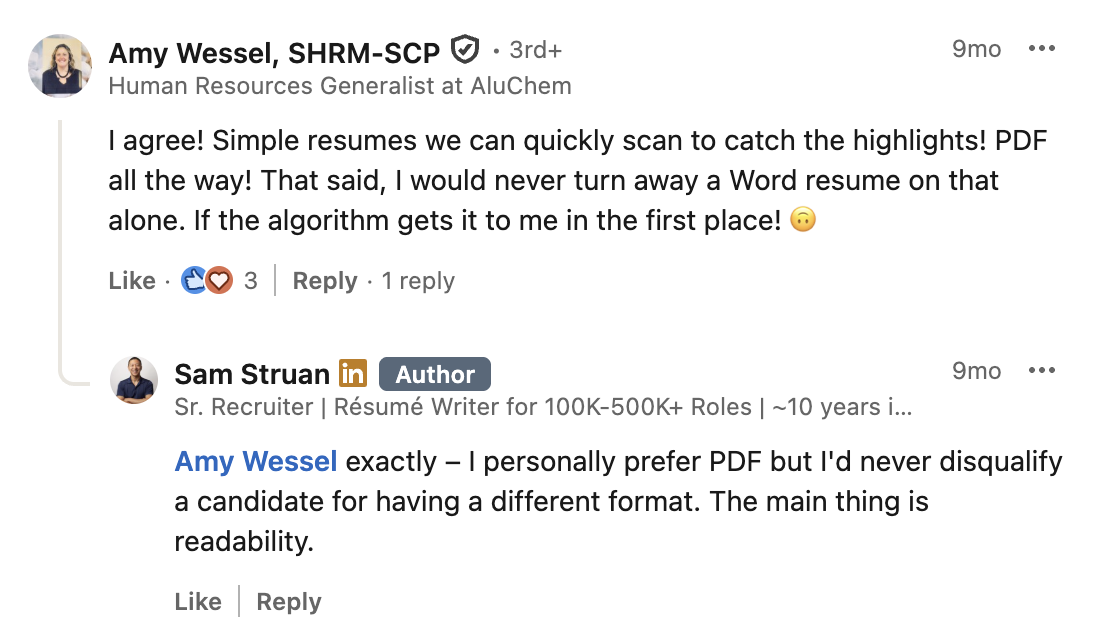
If you’ve been submitting your resume as a Word document, don’t worry. Plenty of hiring managers still accept DOCX files:
Want to make your resume easy for ATS to read? Check out ATS Resume Format & Tips.
Alternatively, learn about formats for different locations:
How to Save a Resume as a PDF
You’ve decided to download your resume as a PDF. Good choice. Here’s how to do it using the most common tools:
In Rezi
If you’re building your resume with Rezi, this part’s simple. In the final Finish Up & Preview tab, click Download PDF.
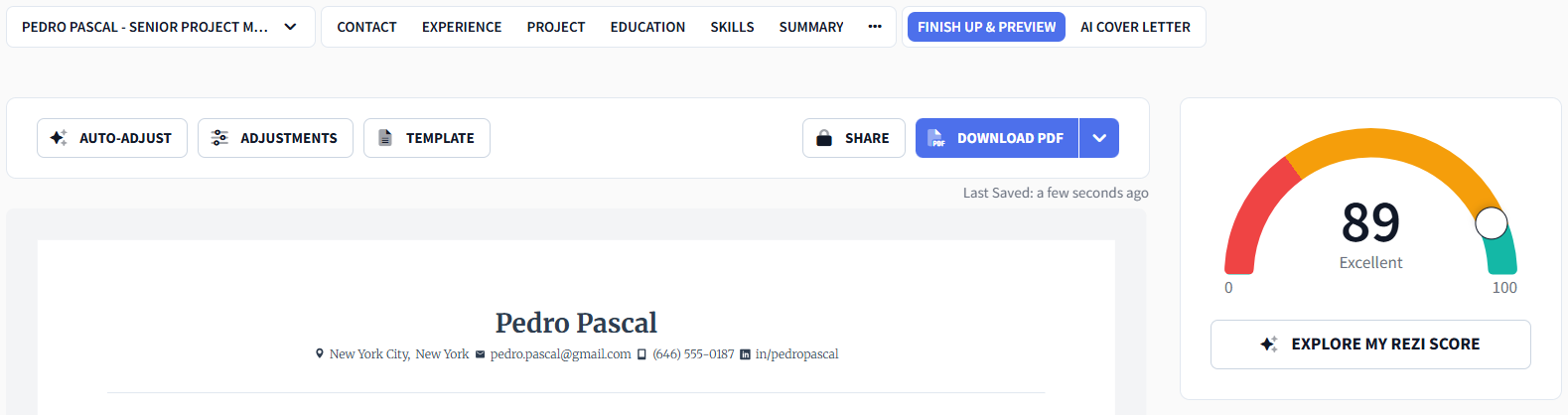
Before you download, it’s worth running your resume through the ATS Resume Checker or asking an AI Resume Agent for feedback. It’ll flag potential issues and help you spot anything that could hold your application back.
In Word
If you’re using Word Online, go to File, Export, then choose PDF.
On the desktop version of Word, click File, Save As, pick where to save your file, and select PDF as the file type.

In Google Docs
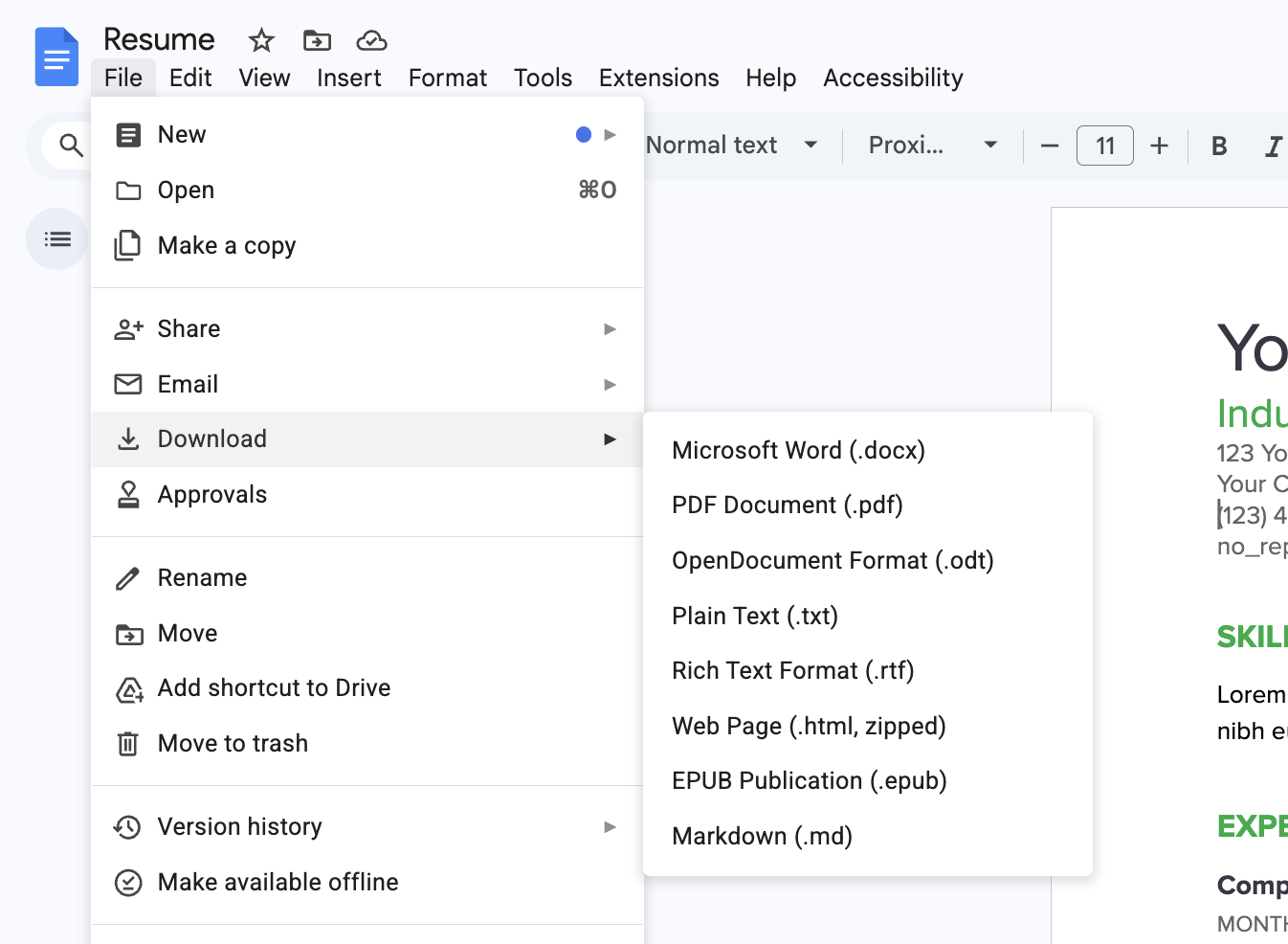
If you’re in Google Docs, click File, Download, then PDF Document (.pdf). That’s it.
Other Resume File Types
PDF is usually your best option, but here’s how the other formats stack up:
- DOCX. Word’s native format. ATS-friendly, but formatting can shift depending on the device. Fine for feedback or collaboration, but less ideal for final submissions.
- TXT (Plain Text). Strips all formatting. This can be useful if you need to paste your resume into a form but might not be great for uploads.
- RTF (Rich Text Format). Designed for compatibility across systems, but outdated. Limited features, no hyperlinks, and rarely preferred today.
- HTML. Turns your resume into a web page. Good for portfolios or personal sites, but not always ideal for standard applications or ATS.
- ODT (OpenDocument). Avoid it. Not reliably ATS-friendly.
- JPG / Image files. Image formats aren’t usually compatible with applicant tracking systems (ATS).
- LaTeX. Offers full design control and is popular in technical fields. Although it can look nice, it’s complex, and you’ll still need to export it as a PDF.
If you use LaTeX, you might like our LaTeX Resume Templates.
How to Format Your Resume File Name
For a safe approach, you can just go with your first name and last name, followed by a resume and file format label. Here’s an example: Jacob-Jacquet-Resume.pdf
Too many people send files named something like “Resume (4),” and that’s not going to do you any favors.
Use a clear, professional file name, such as:
- Gracie-Abrams-Resume.pdf
- John_Smith_Resume.pdf
- Ayo_Edebiri_Senior_Accountant_KPMG_Resume
- Paul_Mescal_Sales_Associate_Resume
Including “resume” helps distinguish it from your cover letter, while the job title or company name can make it clear which role you’re applying for. Pick what makes the most sense for you.
How to Choose the Best Resume Layout Format
For most job seekers, the reverse-chronological resume is the best choice. It’s the resume format hiring managers expect and the easiest to scan. Even if you’re switching fields or have gaps, it’s usually the safest option.
Using a layout recruiters don’t recognize can also raise unnecessary questions.
Reverse chronological resume
This is the most widely used resume format. It typically includes:
- A short summary
- Work experience listed from most recent to oldest
- Education
- Skills
It’s clean, familiar, and great for showing career progression and measurable achievements.
Functional resume
This format shifts the focus from work history to skills. After the summary, you’ll see a detailed skills section and a much shorter experience section.
The downside is that downplaying experience can raise red flags and draw even more attention to employment gaps.
Combination resume
A mix of reverse-chronological and skills-based formats. It works well if you want to highlight skills while still showing a clear work history.
Skills are usually listed with brief, measurable examples, followed by a traditional resume experience section. The trade-off is space; it can be hard to keep this format to one or two pages.
Resume Templates With Standard File Formats for Job Applications
Using a resume template is the easiest way to get started. It saves time, removes guesswork, and helps you stick to best practices, especially when it comes to ATS compatibility (assuming you’re using a good template).
Related: How to Pick the Right Resume Template
Professional resume template
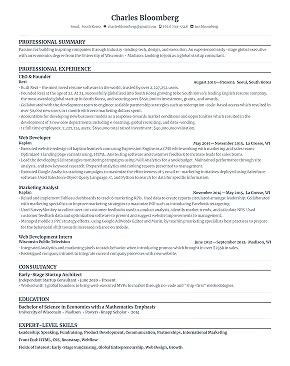
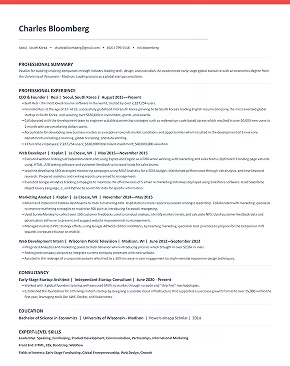
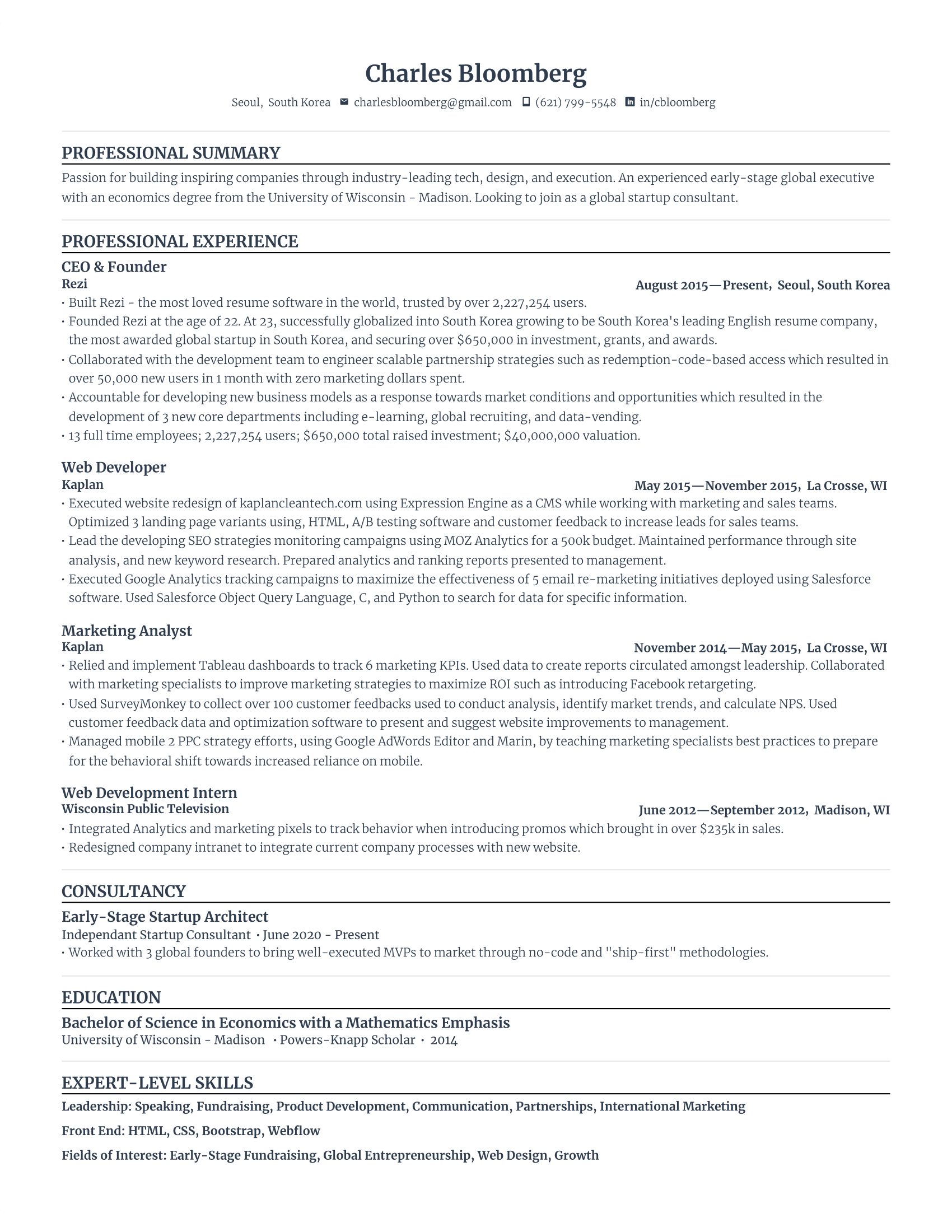
This is the classic, go-to option. Clean, readable, ATS-friendly, and easy to fit onto one page. It’s also available to edit and download with a free Rezi account.
Prefer editing in Google Docs? You can use our Free Google Docs Resume Template instead.
Blank resume template
Think of this as a clean slate. Simple layout, plenty of white space, and no distractions; just room to emphasize your experience without things feeling cramped.
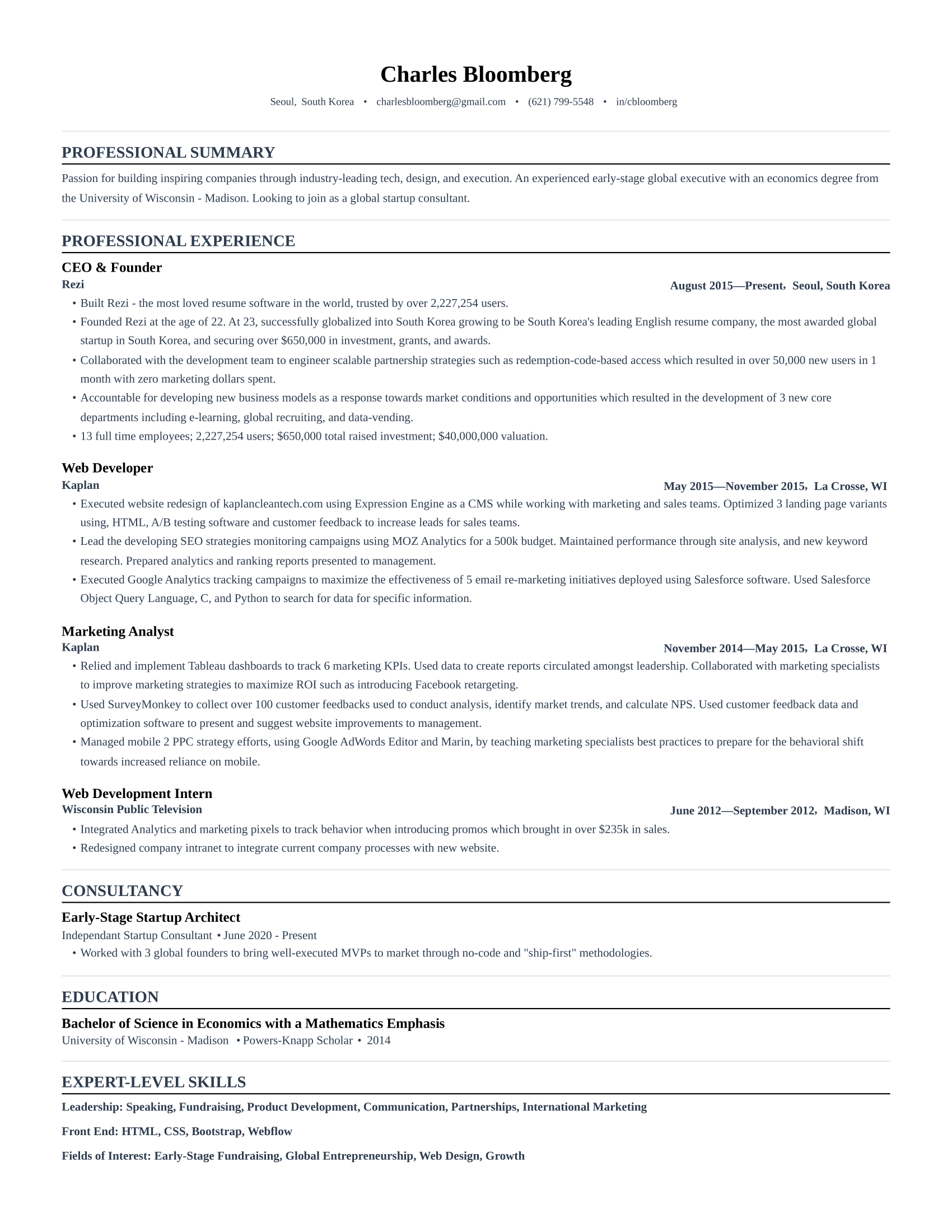
Check out our other Blank Resume Templates.
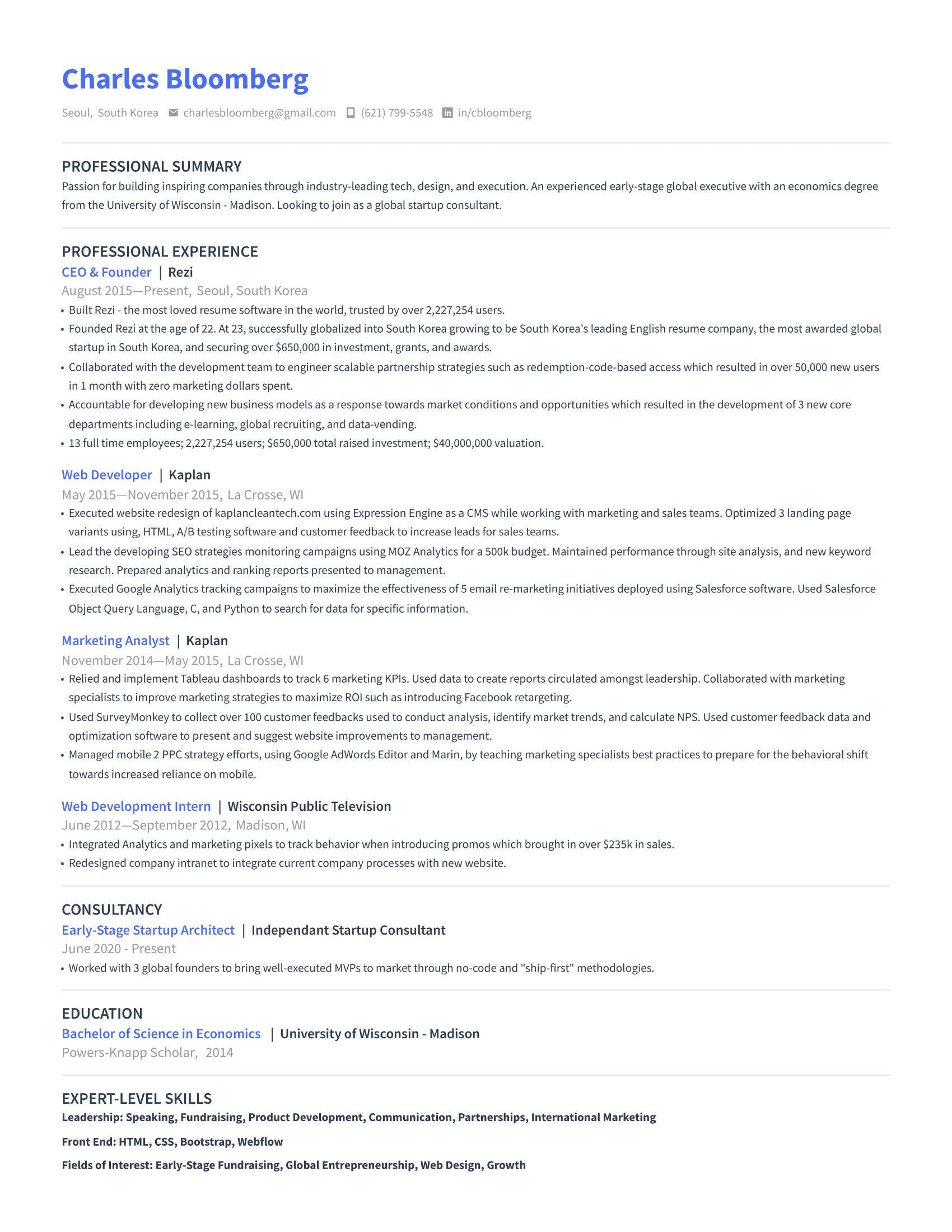
Modern resume template
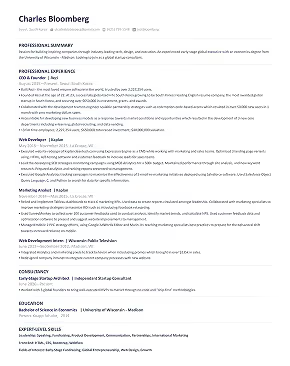
Adds a subtle pop of color (you choose the color, even though I think the blue looks the best). Great for highlighting job titles and career progression. The shaded dates can also help de-emphasize timelines.
Executive resume template
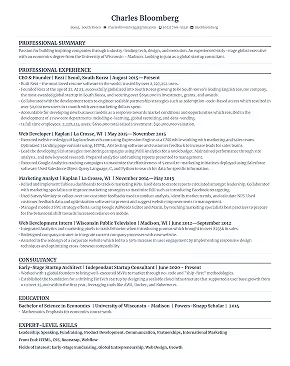
Designed to fit more onto the page without looking crowded. Less white space, more structure, and still very polished. Ideal if you have extensive experience. And yes, a two-page resume is fine at this level.

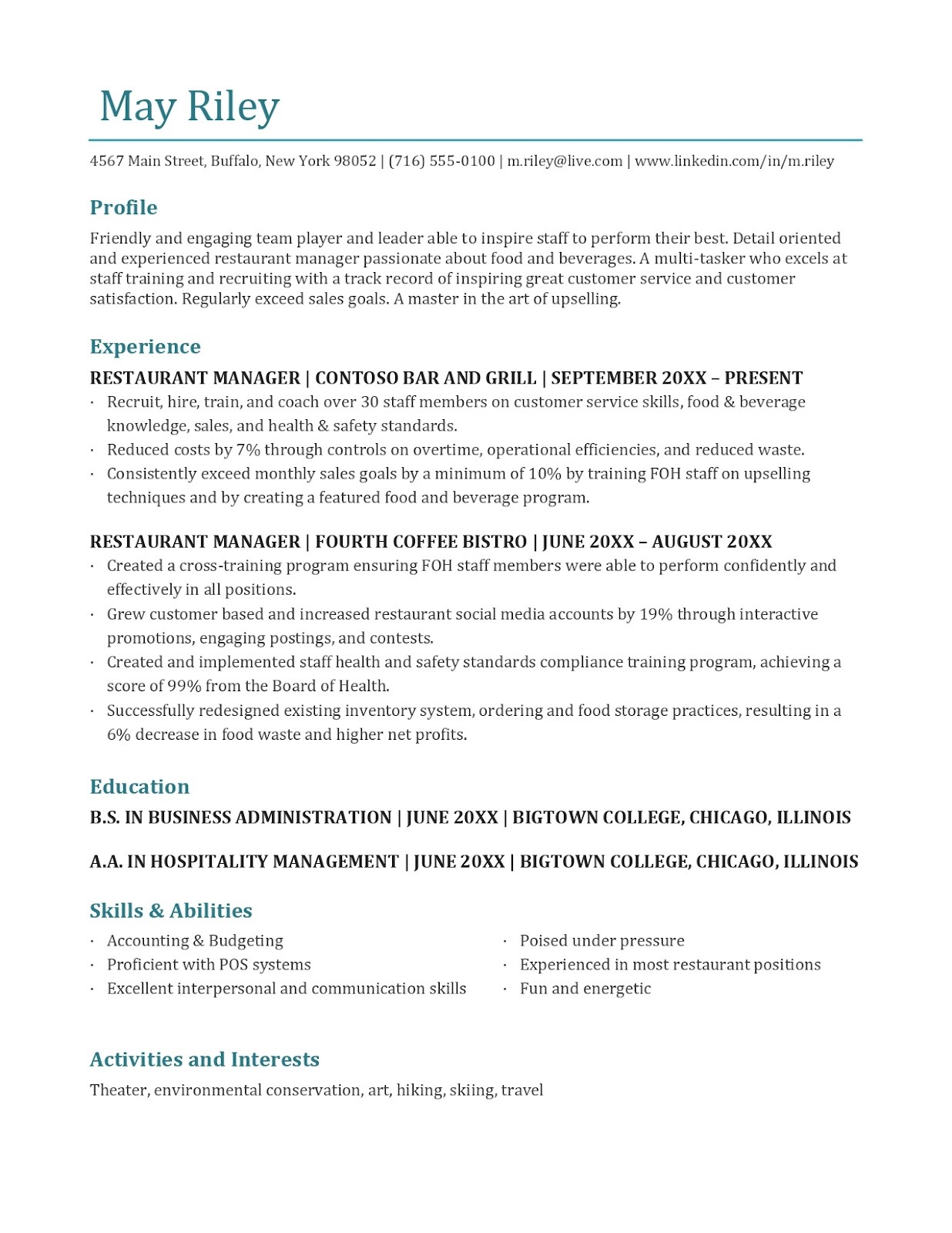
Word resume template
A lot of the Word templates should be avoided, especially double-column designs packed with graphics. This one isn’t. It’s ATS-friendly, well-structured, and uses color in the section headings to keep things modern. Just make sure you include a resume summary.
Explore other MS Word Resume Templates.
Google Docs resume template
Most of the Google Docs templates are double-column and not ATS-safe, but this one is an exception. Reorder the sections, add a summary, and place your skills toward the end for best results.

For more options, browse Google Docs Resume Templates.
Summary
Here’s a recap on resume file formats:
- Use a PDF by default unless the job post asks for a different file format. PDFs preserve formatting, open on any device, and work well with ATS.
- Always follow the employer’s instructions; if they request a Word document (DOCX), send that instead of a PDF.
- Modern ATS can read PDFs as long as your resume uses a clean, single-column layout without text boxes or heavy design elements.
- Save your resume as a PDF directly from tools like Rezi, Microsoft Word, or Google Docs using their built-in export or download options.
- DOCX is the next-best option when PDF isn’t suitable, but formatting may shift depending on the device or software used.
- Avoid outdated or risky file types like TXT, ODT, or JPG, which may not be ATS-friendly or easy to open.
- Use a clear, professional file name, such as FirstName_LastName_Resume or FirstName_LastName_JobTitle, to avoid confusion.
- Choose a reverse-chronological resume layout for most applications; it’s the most familiar and easiest for recruiters to scan.
FAQ
Where to find free resume templates?
You can find free resume templates in a few reliable places, but quality varies. Rezi offers a free, ATS-friendly template that follows best practices, so you don’t have to worry about layout or formatting. Google Docs also has free templates, though many use double columns. Canva templates often rely on text boxes, which ATS can struggle to read, so they’re best avoided for job applications.
How to write a resume?
Start with a professional resume template; it takes care of the structure for you. Add your contact details, then write a summary that explains who you are and what you bring to the role. List your experience using bullet points that focus on results, not just responsibilities. Include your education and relevant skills, use numbers where possible, and tailor your resume to each job.
For a deeper dive, see How to Write a Resume That Doesn’t Get Ignored.
What to put on a resume before submitting it?
At a minimum, your resume should include contact information, a short summary, work experience, education, and skills. Focus your experience section on what you achieved. Add certifications, projects, or coursework if they’re relevant. If you’re light on experience, volunteer work or hobbies can work too; as long as they show transferable skills.
Check out: What to Put on a Resume: What Employers Actually Want to See.
What does a federal resume template look like?
A federal resume is more detailed than a typical resume, but should still be one or two pages long. It follows a similar structure but includes extra information, like your full address, hours worked per week, job series numbers, grades, and sometimes citizenship or veterans’ preference. The easiest way to create one is by using the USAJOBs resume builder.

Upload or drop your resume to get started
Upload your resume to get started
Score my resume

Sarah Coghlan is a writer and editor passionate about making resume and career advice clear and accessible to all. Based in Barcelona, her goal is to help job seekers create standout resumes and navigate the job search process with confidence and ease.

.webp)